This is it, start of the final stage. In theory, there is nothing exciting left to come. No rally, no race, no dramatic crossings of the desert. Just tarmac all the way to the port of Algiers. The landscape will shift at proper Saharan frequency, once every few hours at best, and our main adversary will become our own thoughts. Four brave souls. Four motorcycles. Almost 1800 kilometres of tarmac, mind-numbing repetition. We'll simply have to grind it out.
The odds, somewhat surprisingly, are not exactly even. Tomek looks ahead with an admirable calm. To be fair, it's almost cheating, his Husqvarna, refited with a rally kit, is practically a full-blooded rally bike, built precisely for covering distances like this at speed. Kuba and I are devoted to our trusty DR 650s. True legends. Old-school thumpers that have been eating routes like this for breakfast for decades. All that remains is to prove they can still do it.
And then there is Kondzio. The absolute madman. His eccentricity has taken a very specific form, a KTM EXC 500. This generous gentleman has, entirely of his own free will and without the slightest coercion, decided that a lightweight enduro bike with a small tank and an unmistakably off-road character would be the perfect tool for covering nearly 1800 kilometres of tarmac. It may not be comfortable, but at least it will vibrate like mad. We have no intention of questioning his decision. Let history be the judge.
I'm slightly sad that this is already coming to an end. We had an absolutely cracking return track prepared, first along the old TSH piste, then somewhere through the canyons and across the desert beyond In Salah, and finally across the hamada towards the mountains in the north and onwards to the capital. It's tempting, but it's not to be. Reality is already calling us back from the other side of the Mediterranean, and we must somehow summon the last scraps of responsibility still hiding somewhere within us.
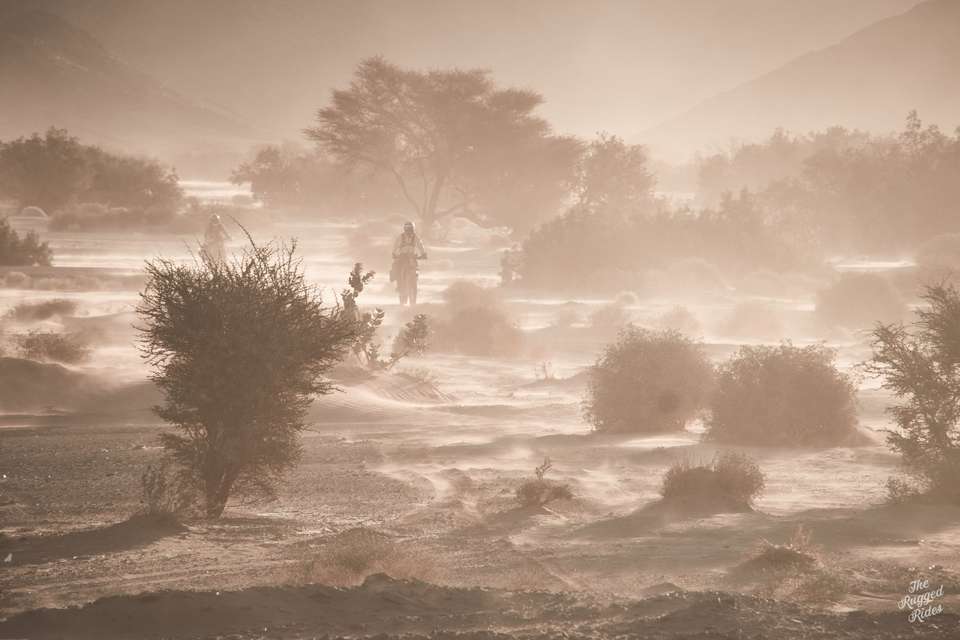
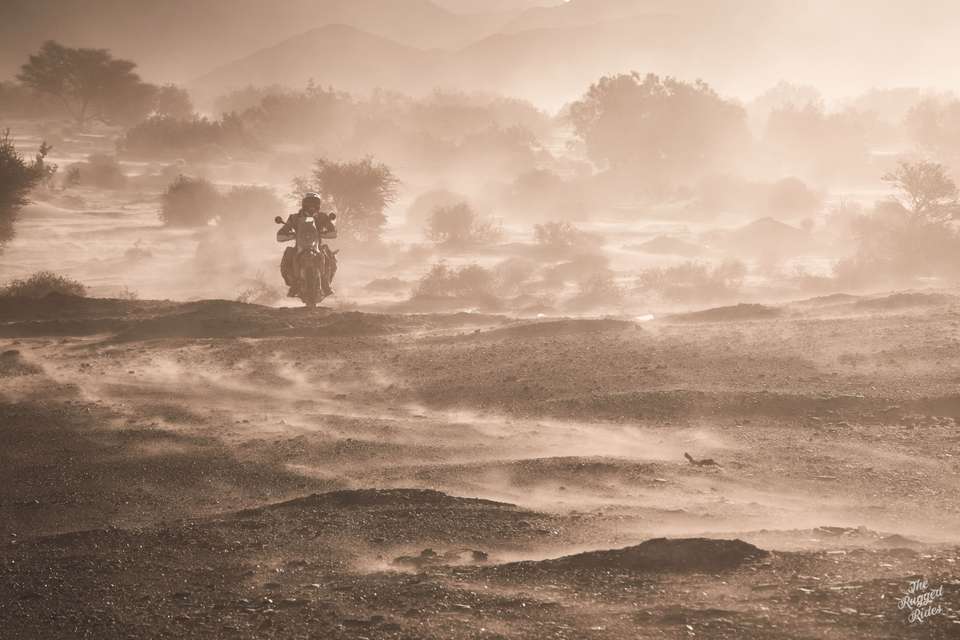
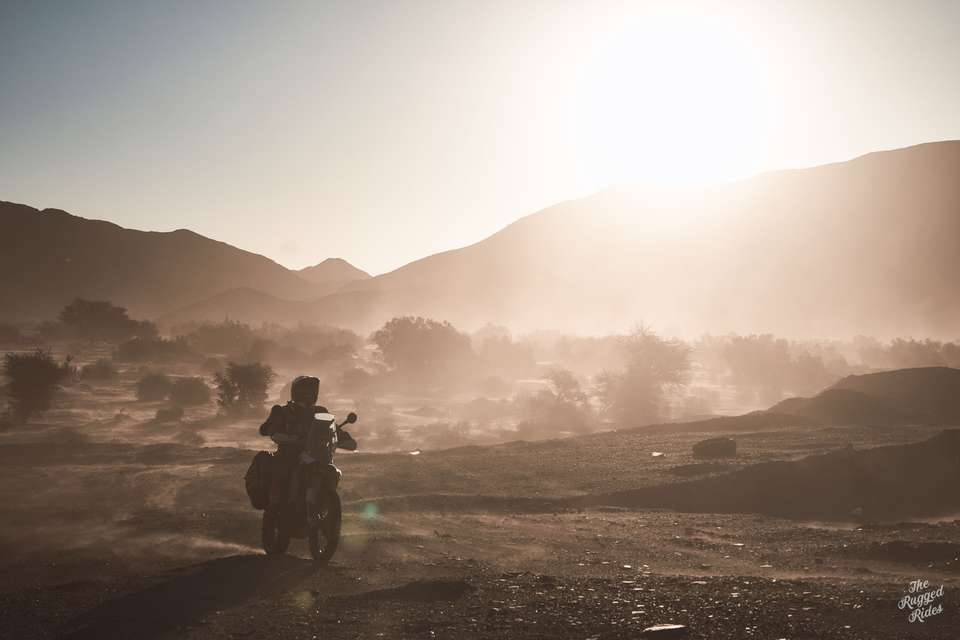
We set off, dust dancing all around us, the sandstorm lit orange by the early sun. The spectacle is mesmerising, and had we spared a few extra moments, we might have snapped some sensational photos. As it stands, they turned out merely good.
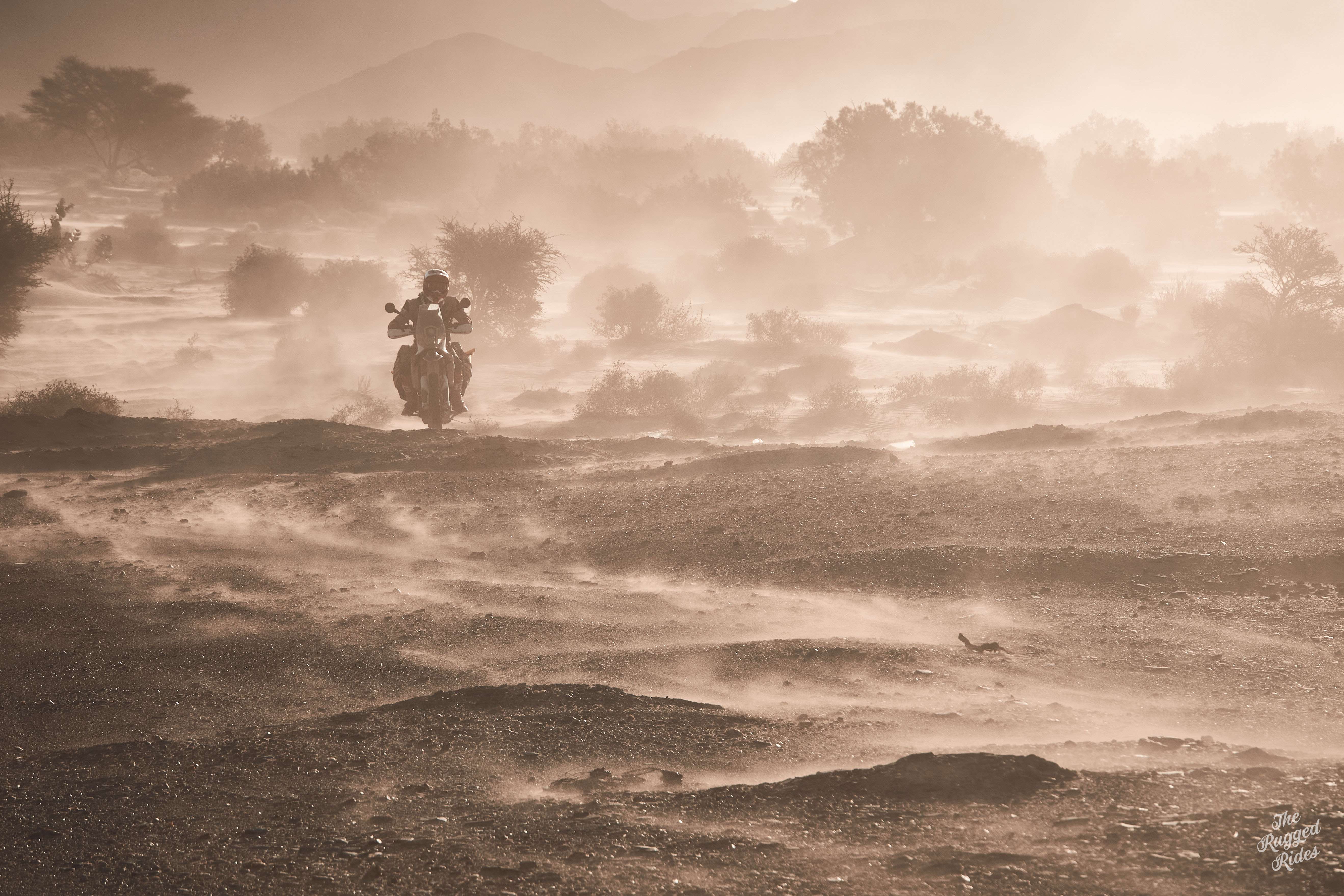
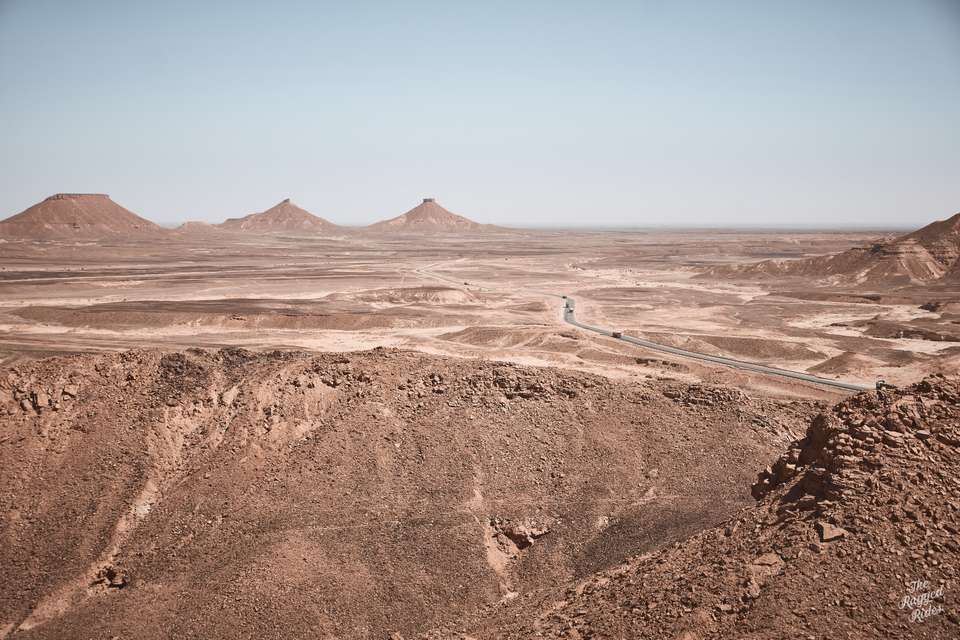
I suspect the day won't be quite as boring as it sounds. Everything points to a sandstorm rolling in. The first few kilometres are relatively painless, though. The wind is strong, but it isn't lifting much sand. The views, meanwhile, are fascinating. We are on the foothills of the Tefedest range. Vast, flat expanses of yellow desert are scattered with black rock formations, in all sorts of shapes and sizes, with little dunes of sand piled around them. I make a mental note of the exact locations so that one day I can draw a track for a future trip.
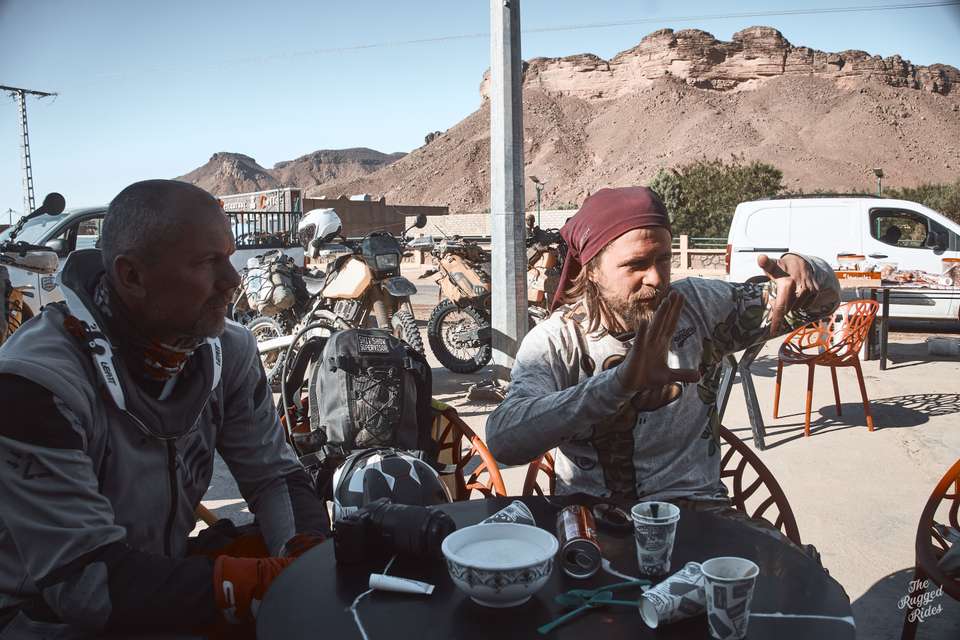
We make a good progress on the tarmac and reach Arak, a cluster of a few buildings sitting in the throat of a canyon, the only place in the area where you can continue north-west. Contrary to my earlier assumptions, we are no great sensation here. Nobody takes much notice of us, despite the fact that we spend a good two hours enjoying what can only be described as a truly royal breakfast. Excellent.
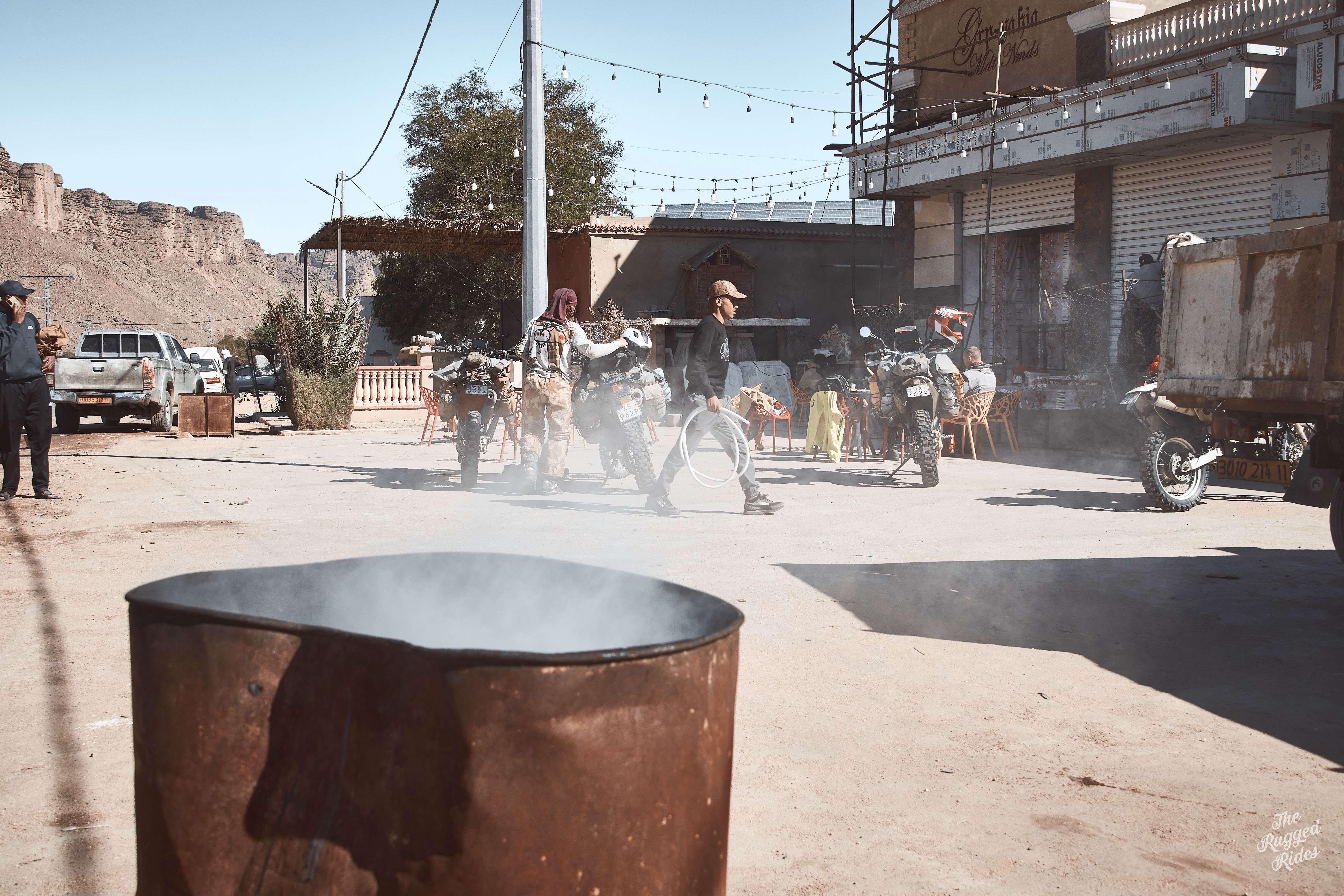
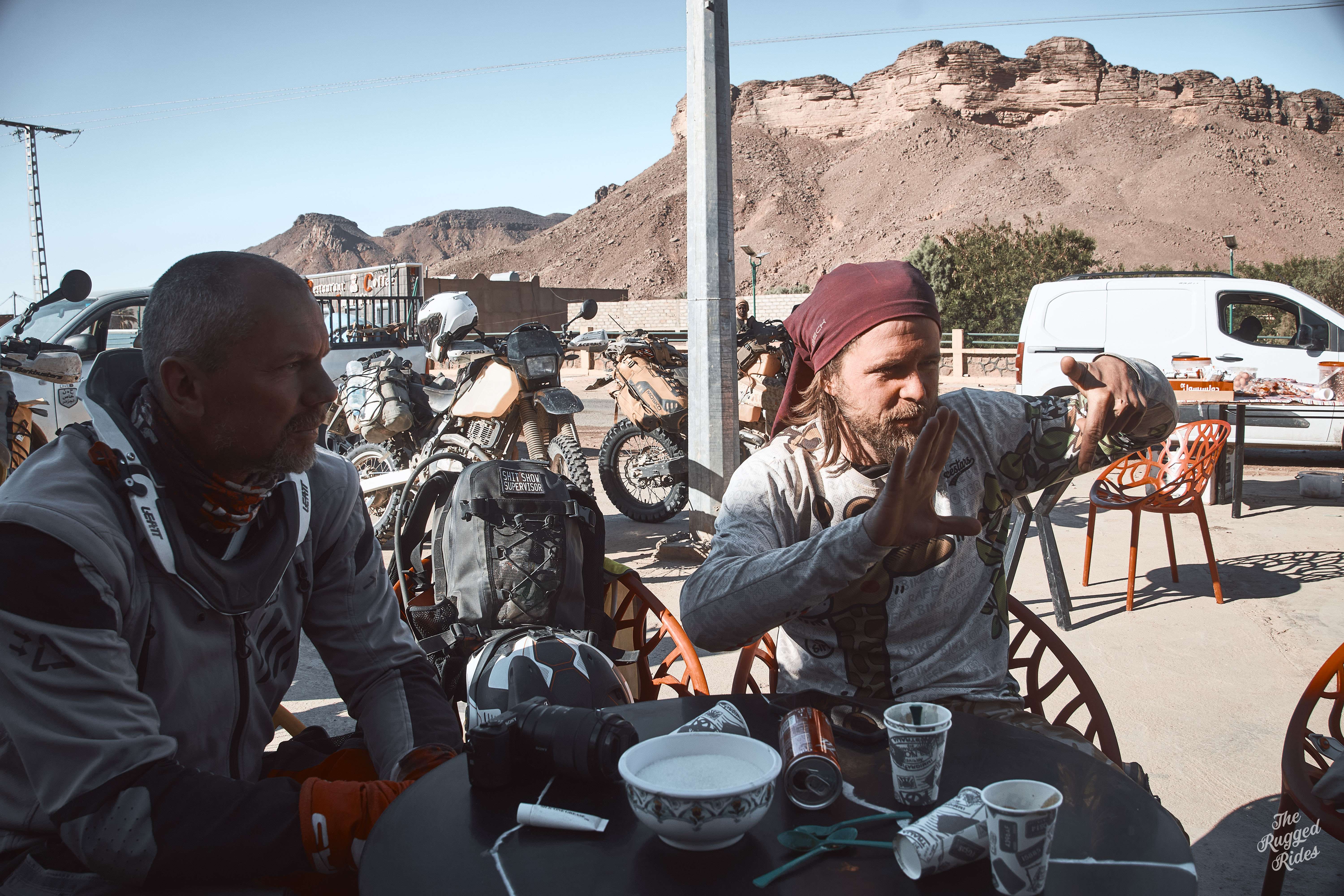
Once we leave the canyon, the storm begins. The sky turns dark and takes on the colour of the desert. We are riding at quite an tilt. Tiny particles of sand sting painfully into the skin. We don't stop, though. We keep going at around 100 km/h, with one single destination in our minds, Algiers, tomorrow.
We pass quite a few young black men walking along the roadside, heading north. Who are they? What are they doing out here? Perhaps they are migrants, or perhaps they are the legendary workers finally making their way to goldfields? Some of them wave at me, gesturing for water. Blimey, I've never been entirely sure whether it's just a scam to get someone to stop, before moving on to more serious begging, or whether they genuinely need the water. I ride on, but suddenly I have strange feeling. I decide to turn around and give them the bloody water. The joy on the young man's face is genuine, and one bottle pulled out from behind the bungee cords costs me absolutely nothing.
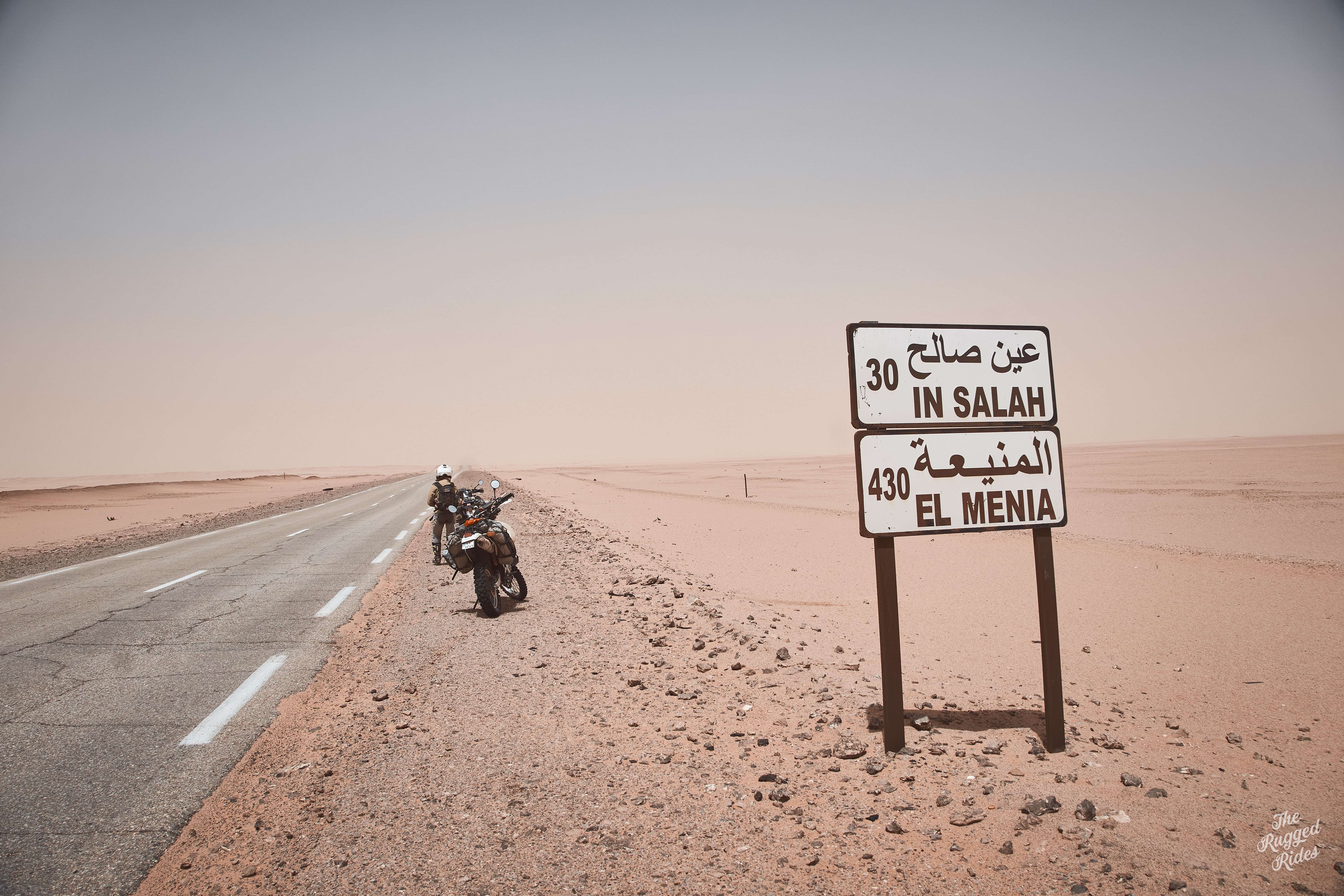
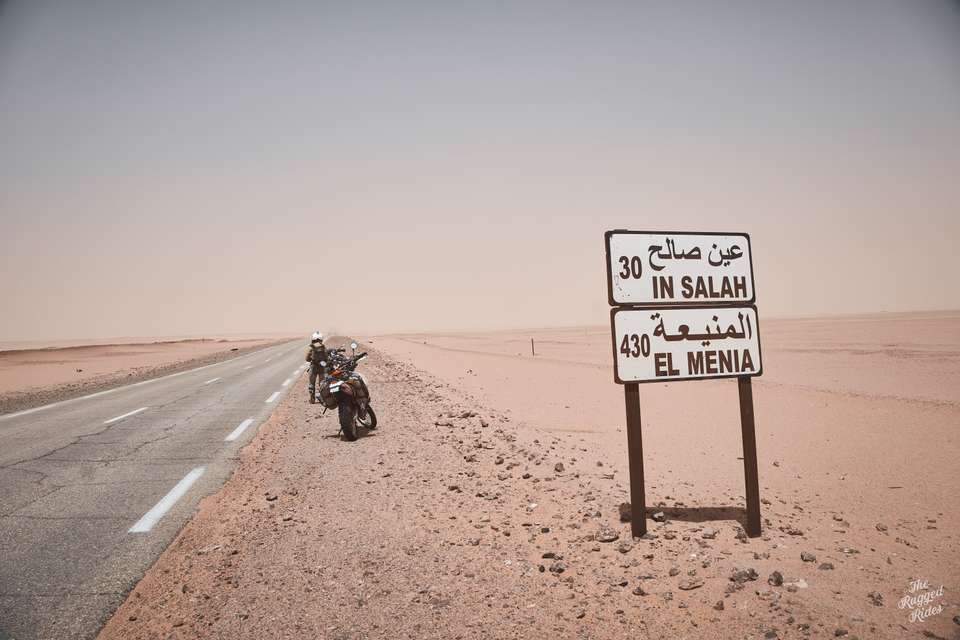
In Salah. We get through the checkpoints more or less without a hitch. Refuel. All the bikes have used more petrol than we expected. Engines, frames, plastics, everything has been sandblasted by the storm. I'm rather pleased about it. From now on, the DR will always carry a little bit of the Sahara on its skin. I check the weather radar. We have just ridden through the epicentre of the storm, where the wind was at its strongest. From here on, every kilometre should get a little easier.
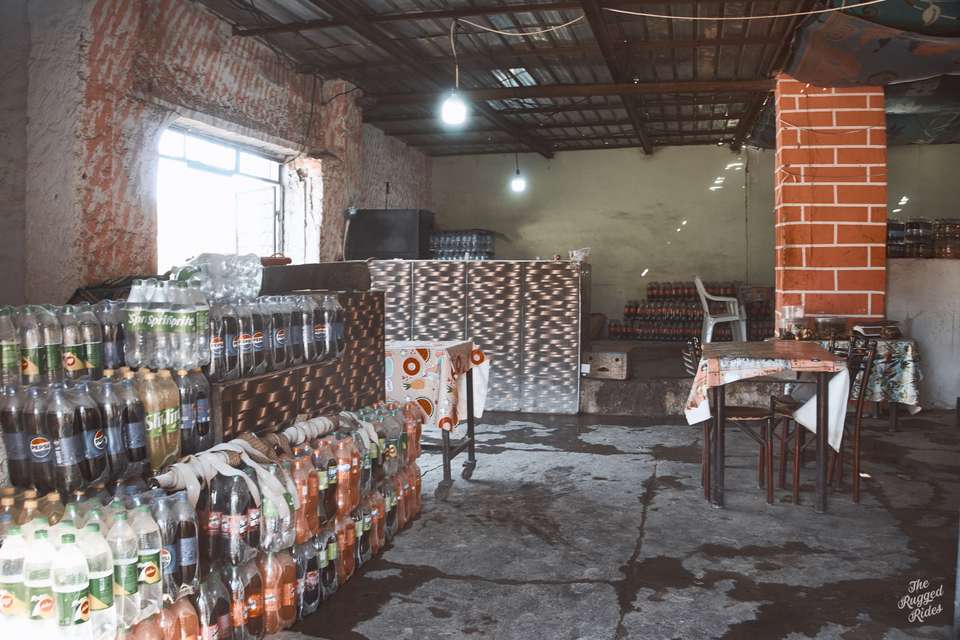
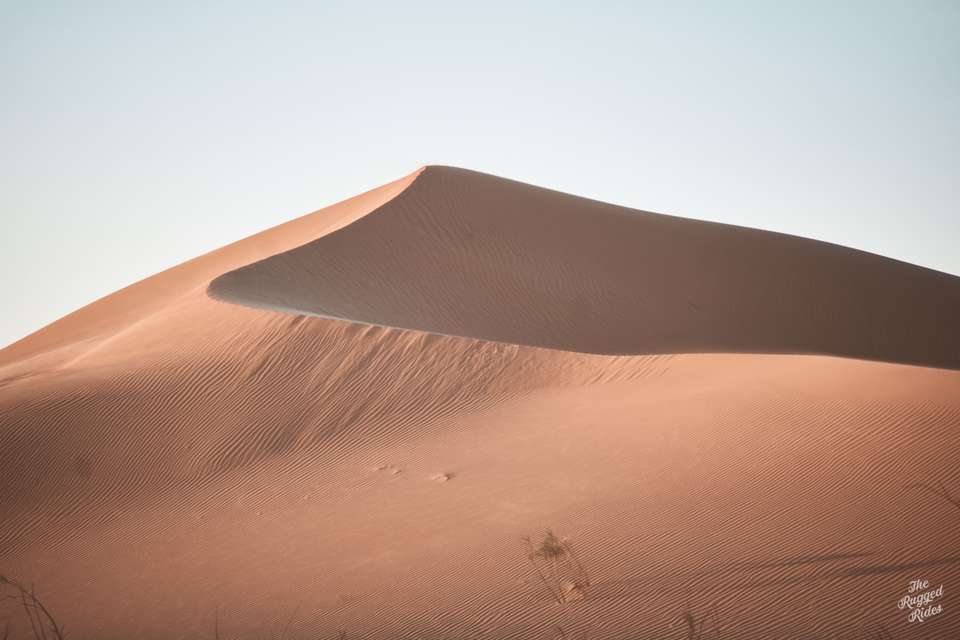
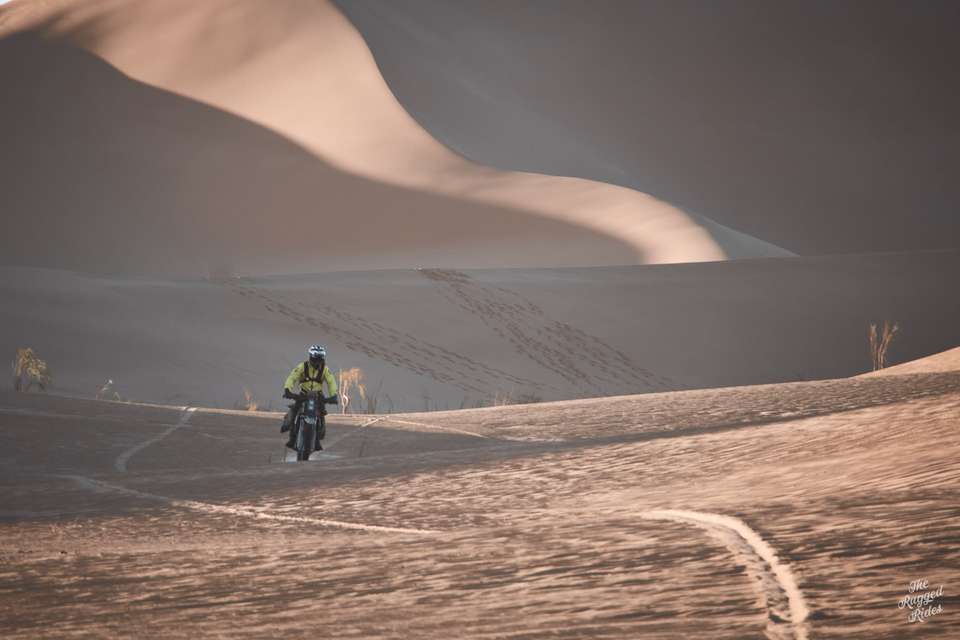
We cover another 400 km or so before the day starts drawing to a close. Not great, not terrible. A fuel station with a small shop appears at exactly the right moment. Things are looking good, and for the night we head into some nearby dunes, a few kilometres off the tarmac.
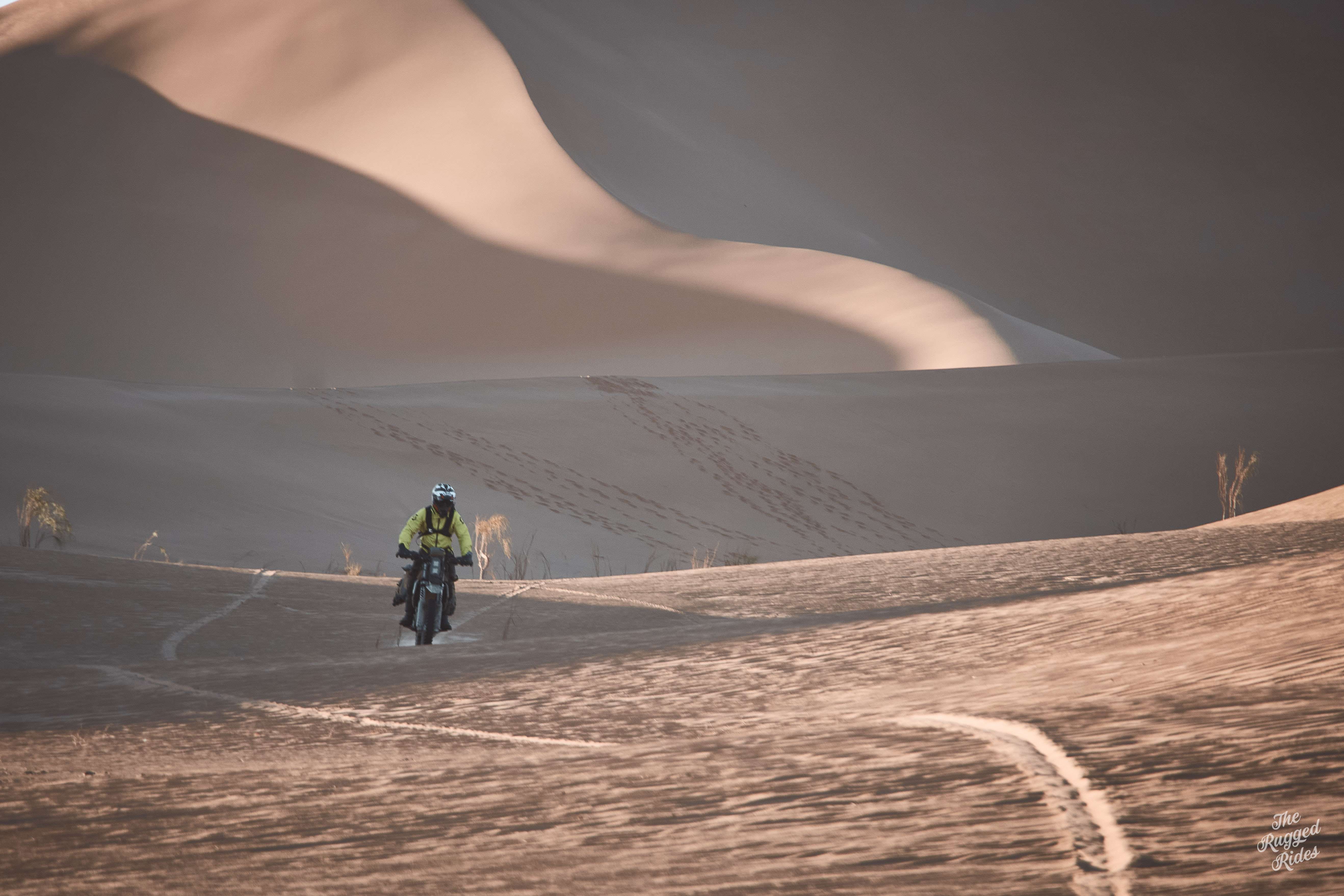
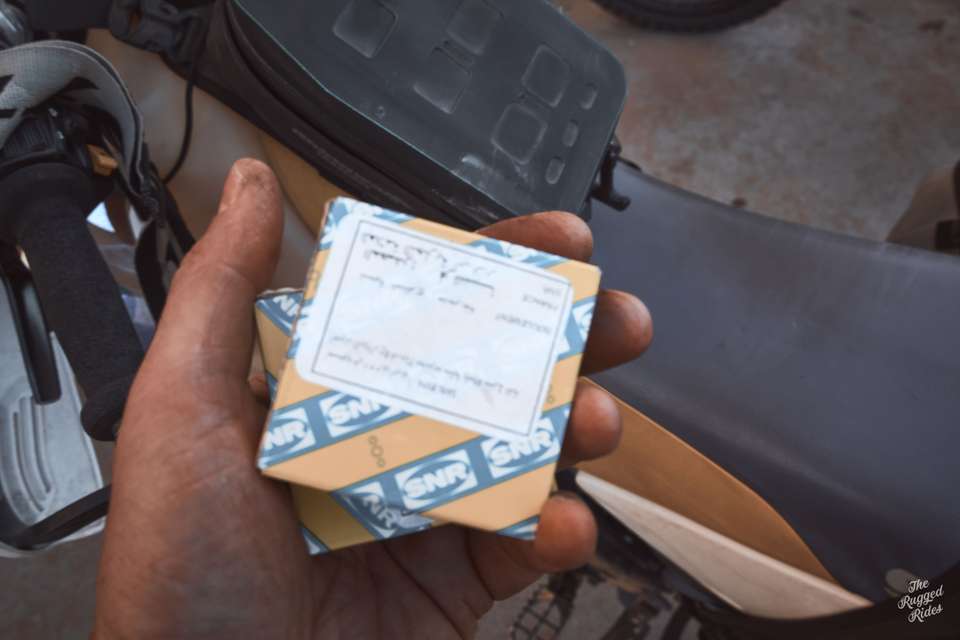
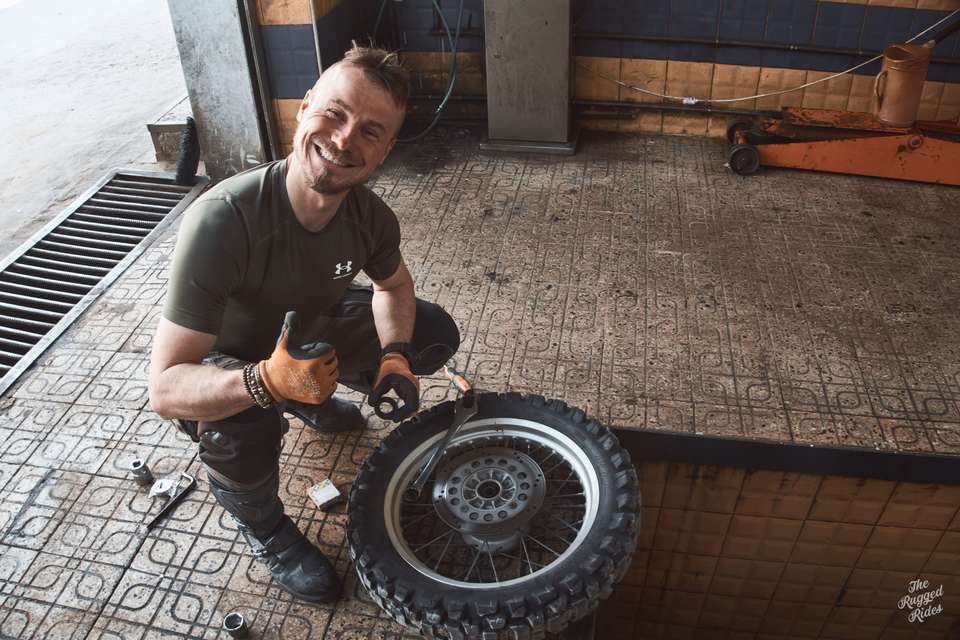
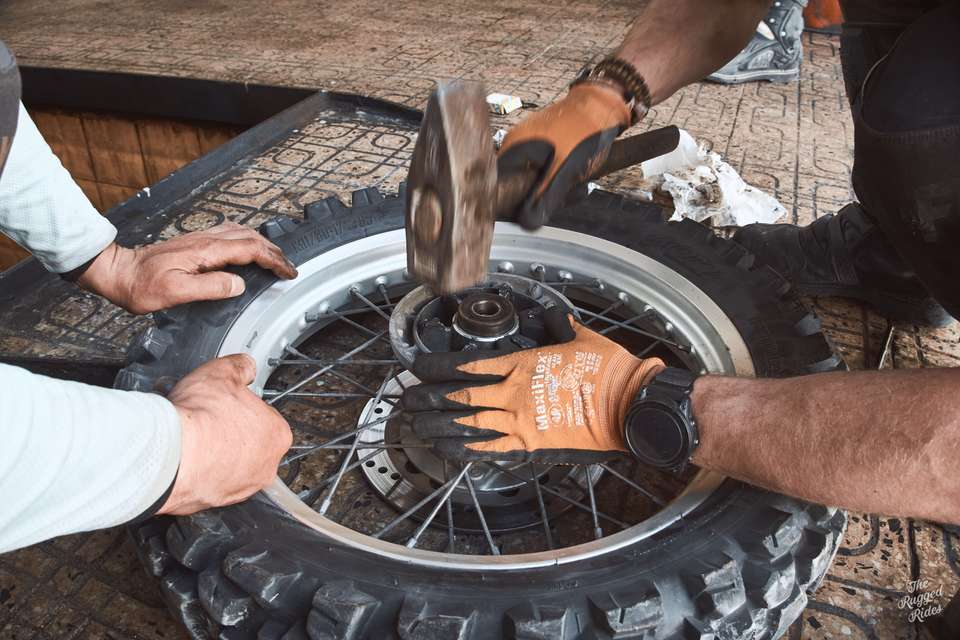
After dark, we sit on top of one of the dunes, contemplating everything around us while sipping cold Coke. It is our last night in the desert. Out of nowhere, someone suggests doing a bit of bike maintenance. Fair enough. My choke is sticking, and it would be useful to tighten the chain as well. When I touch the rear wheel, I discover it has quite a bit of a play. Fuelled by a slightly narcotic optimism, I declare that I'll easily make it to the ferry like this, it’s only tarmac, after all. Kondzio, however, has no time for such fairy tales. He removes the wheel and announces the absolute death of the bearings. Well, at least we'll get to see the centre of El Menia in the morning. As I fall asleep, I find myself thinking a little about those bearings. SKF Explorers. They had absolutely no play before we left. I checked them carefully.
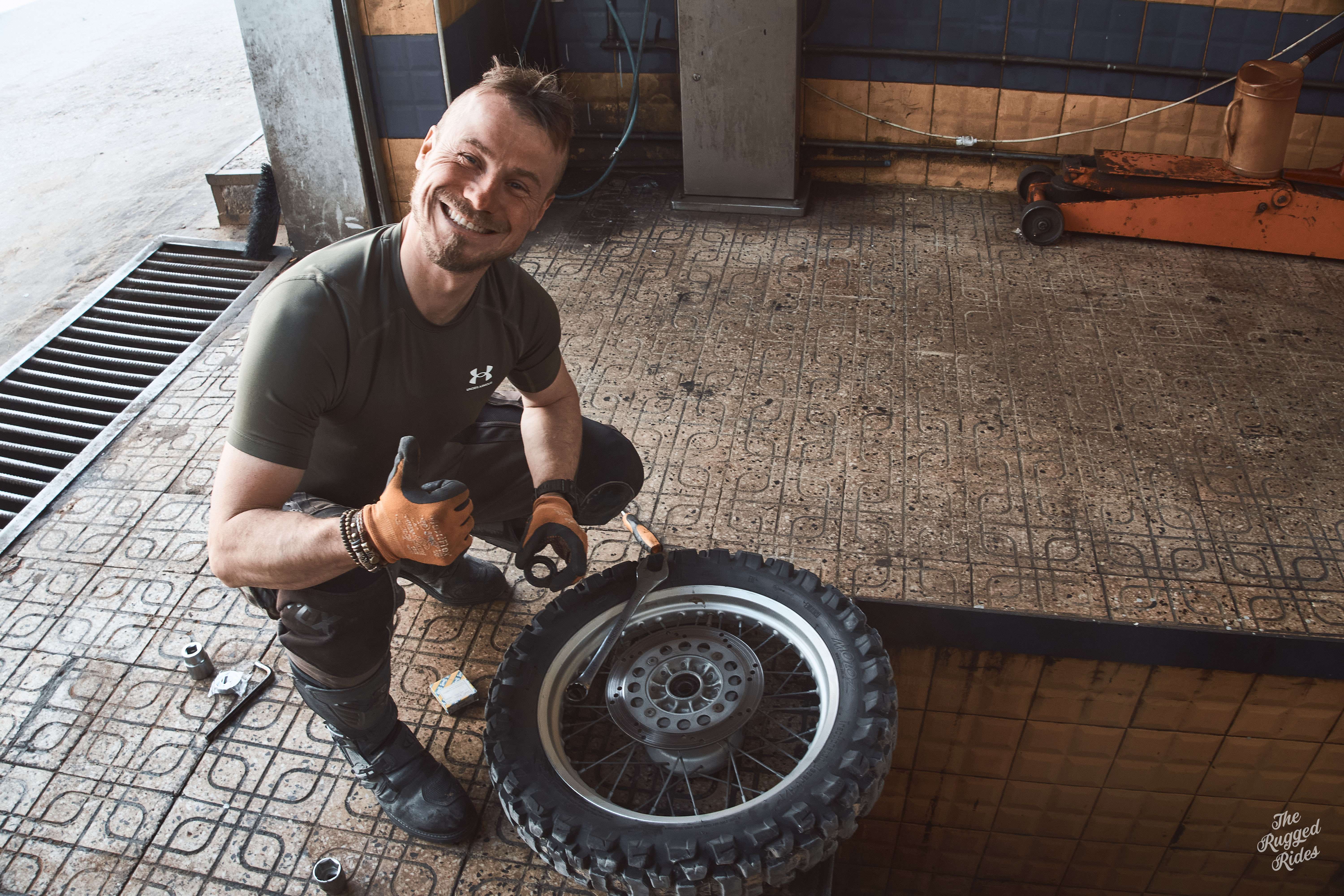
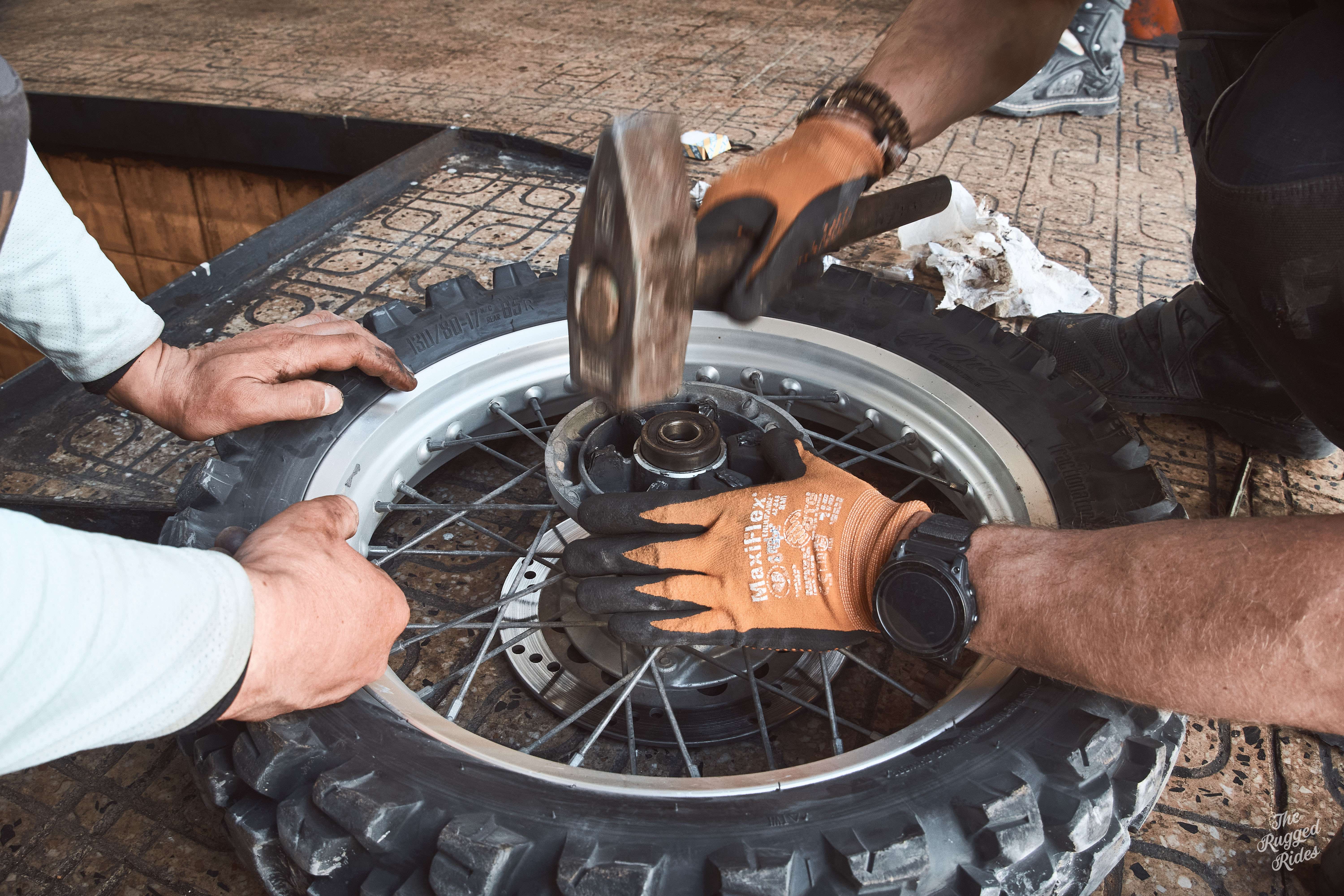
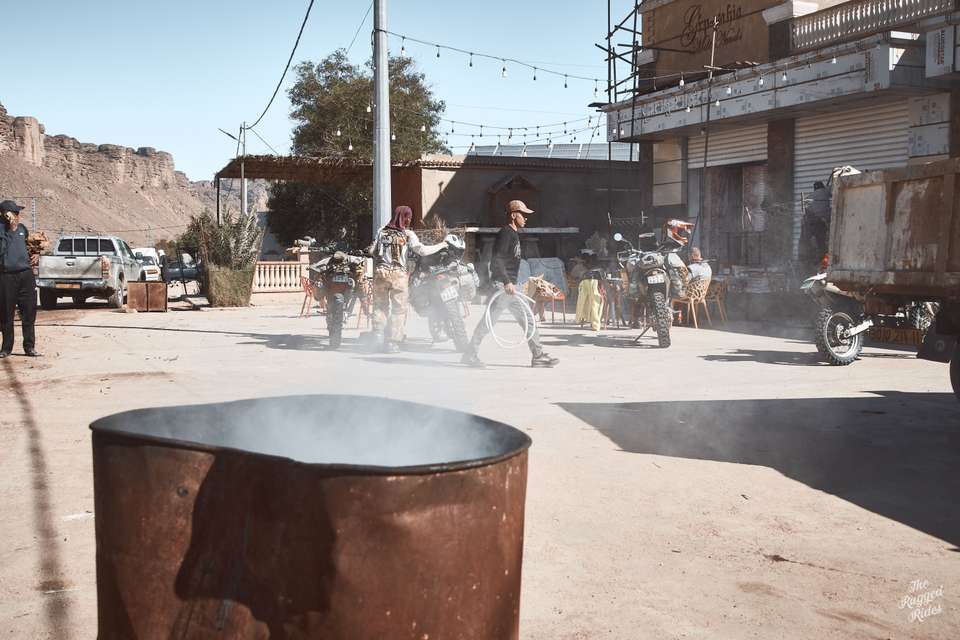
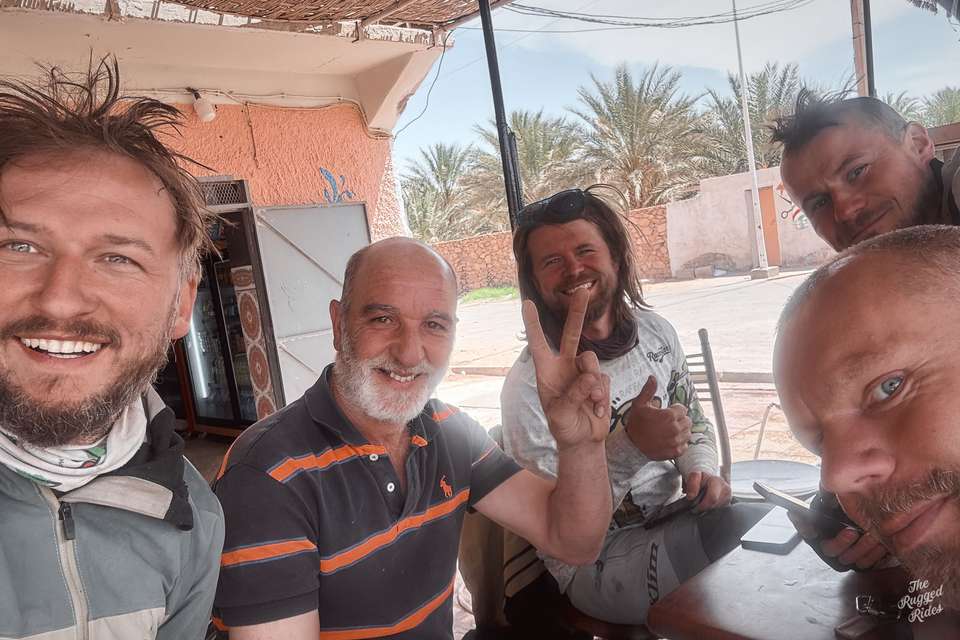
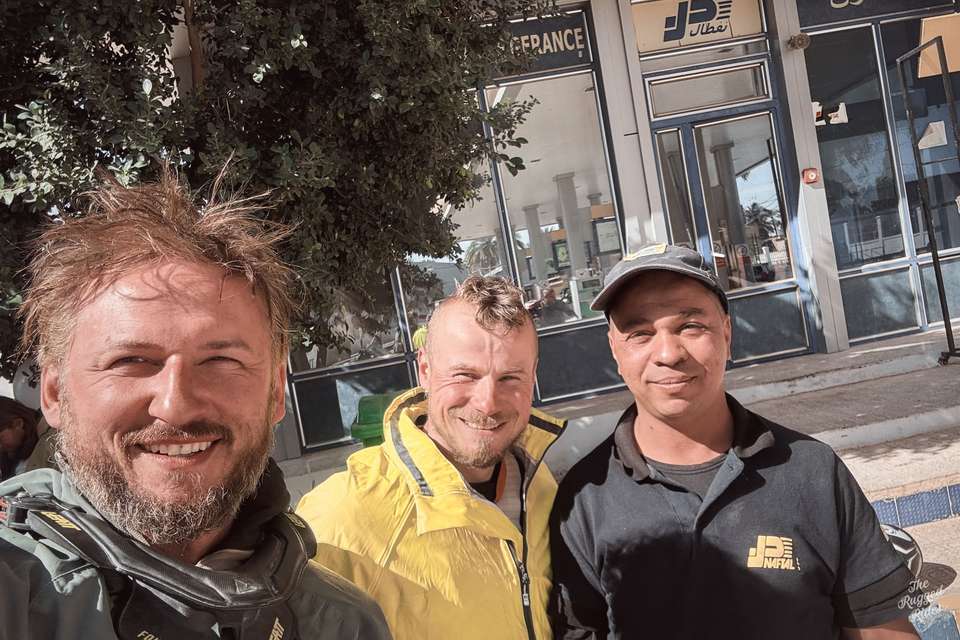
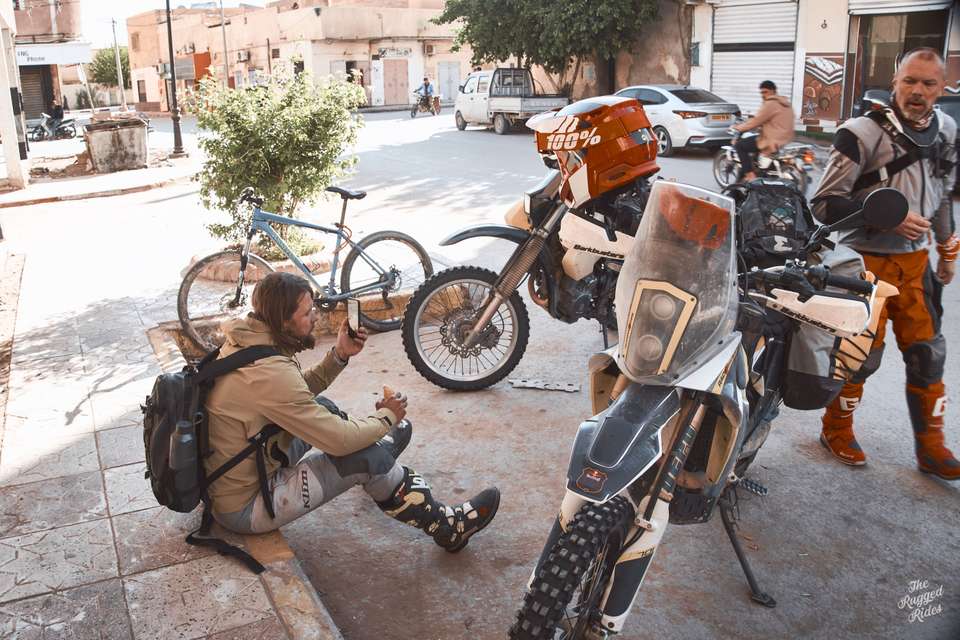
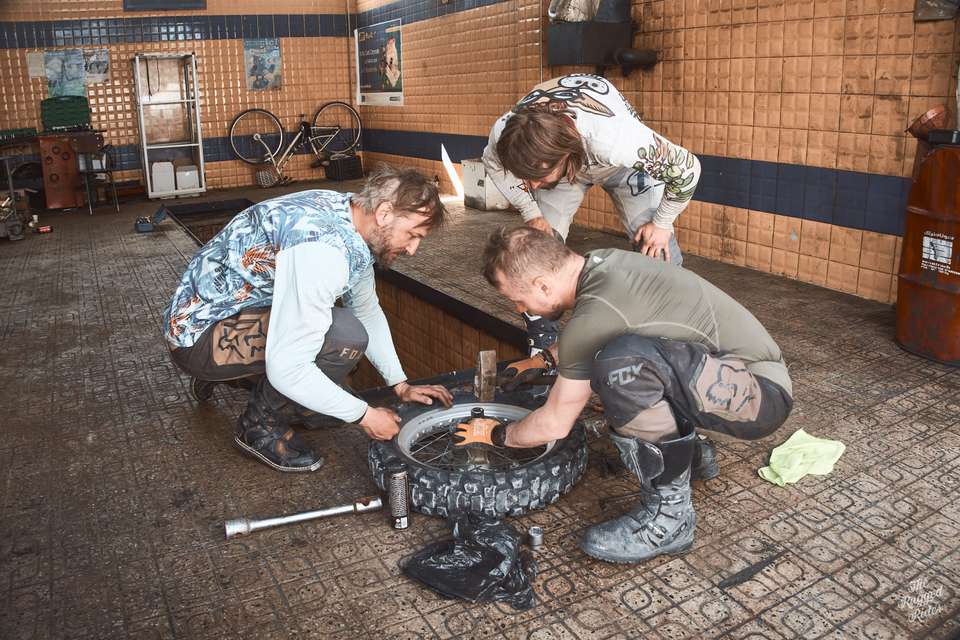
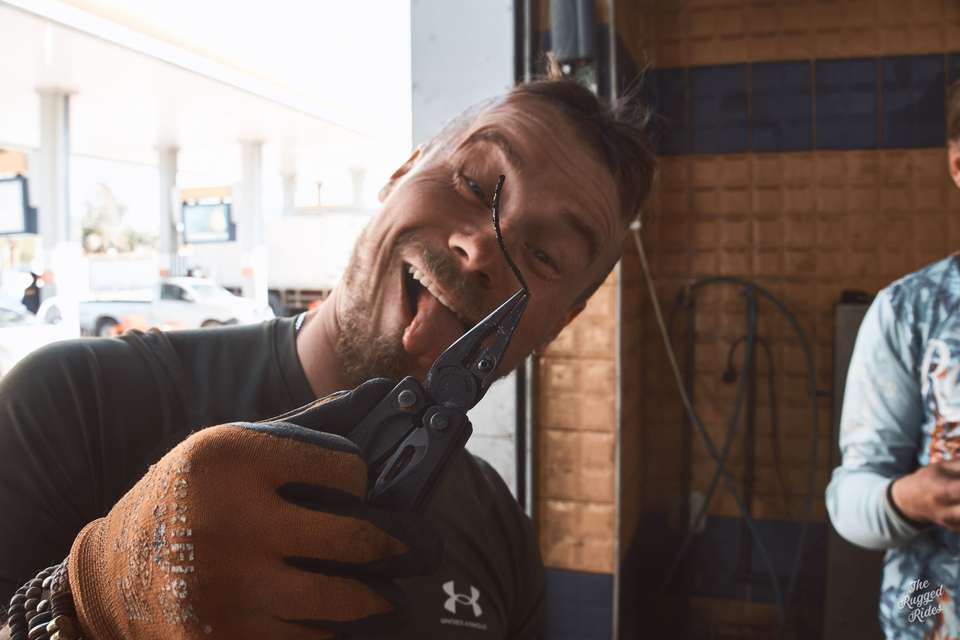
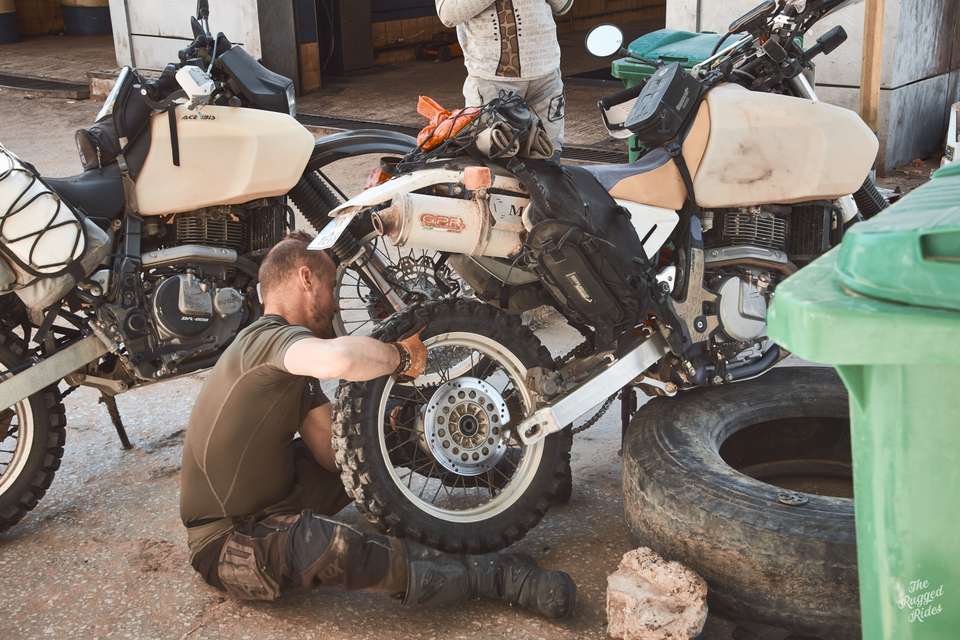
In the morning we head into the centre and start looking for the automotive district. I can't see anything, but then we spot a petrol station. I approach one of the workers and mime what the problem is. He gets it immediately. Shouting "roulement, roulement!" several times, he jumps on a scooter and tells me to follow him. We buy the best bearings the shop has and return to the station. We can replace them in the workshop on site, and they give us the use of the place and all its equipment. This is the beauty of places like this, deep in the desert, when you're in trouble, people help.
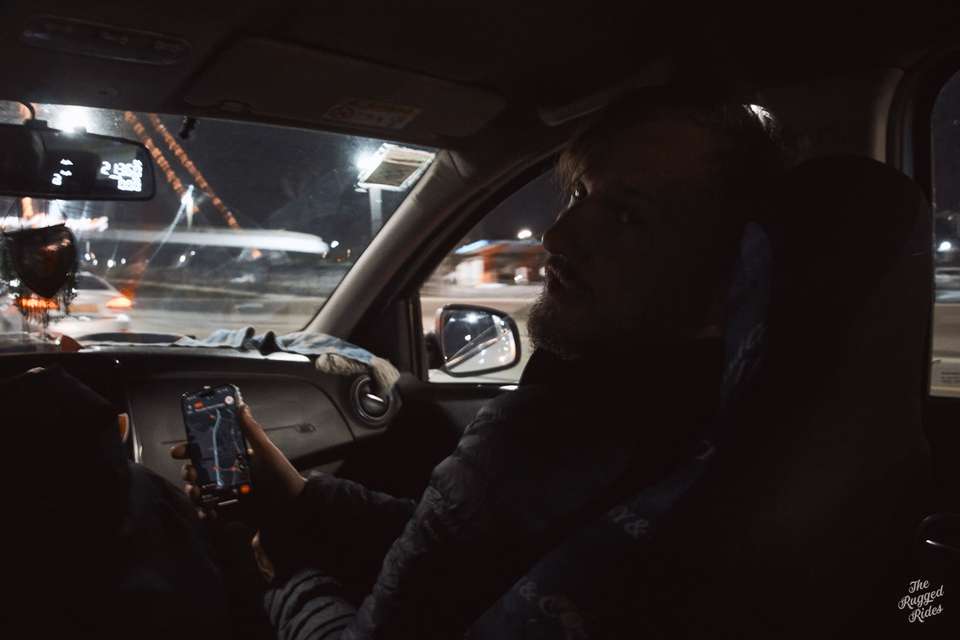
The rest of the journey becomes a routine of 200 km jumps. When it comes to covering distance, efficiency matters more than speed. Each time, we ride at least 200 km before stopping. The breaks are short. Even so, we reach Algiers after midnight. There are no hotel rooms available. The owner of one hotel drives around the city with me, trying to find somewhere for us to stay. No luck. Eventually I manage to locate some sort of hostel through Booking, purely because I hadn't refreshed the page on my phone and it was still showing results from the previous day.
Algiers is a fascinating city. Its ancient history is rather hazy. Though we know it started as a trading post founded by the Phoenicians. The Romans called the city Icosium. Over the following centuries it passed through the hands of various rulers and states. But perhaps the most utterly bonkers chapter in the city’s history has to do with the corsairs.
At the beginning of the 16th century, Algiers was one of the cities of the Maghreb struggling with the Spanish, who were trying to establish their own posts along the North African coast. In 1529, the famous corsair Barbarossa (Hizir Reis) captured the Spanish-held rocky islet of Peñón, lying just offshore from Algiers. And he did something wonderfully practical with it, he connected it to the mainland with a massive mole. This created a much safer harbour. Algiers thereby became a base for the entire corsair fleet.
Barbarossa handed the city over to the Ottoman sultan. In return, he gained military support and a powerful ally against Spain. From the 16th century until the beginning of the 19th, Algiers was effectively an independent pirate state operating under the nominal authority of the Ottoman Empire.
In 1541, an armada belonging to Charles V of Habsburg, one of the most powerful rulers in the world at the time, appeared off Algiers. It was a trully a grand expedition, and an absolute disaster. The Spanish were defeated, while a storm wrecked a substantial part of their fleet. The event carried enormous symbolic weight, a mighty emperor had arrived to wipe out the corsair nest and went home empty-handed.
The corsairs were soldiers, sailors, merchants, politicians and owners of considerable fortunes all at once. The state made money from plunder, ransoming captives, trade and maritime activity. Algiers became one of the most important centres of corsair activity anywhere in the Mediterranean. For centuries, European propaganda portrayed Algiers as a nest of pirates, and the mere thought of them was enough to strike fear into European sailors.
Algerian corsairs captured people from across the Mediterranean, including from the shores of France, Italy and Spain. One such expedition reached all the way to Iceland. In 1627, during what became known as the Turkish Abductions, pirates abducted almost 400 Icelanders, carrying them from the North Atlantic to the slave markets of Algiers.
Christian slaves in Algiers could sometimes buy their freedom, or convert to Islam and join the corsairs as so-called renegades. Many European pirate captains in Algiers were precisely such converts, Dutchmen, Englishmen, Italians. Miguel de Cervantes, the author of Don Quixote, spent five years as a slave in Algiers after his ship was attacked by corsairs. He attempted to escape no fewer than four times.
The newly established United States fought regular wars against Algiers, the so-called Barbary Wars. They paid tribute in order to protect their merchant ships. This was one of the reasons behind the creation of the US Navy as a permanent naval force.
Interestingly, and contrary to the popular image, Algiers was already a cosmopolitan city by then. People arrived from all sorts of places: Turks, Arabs, Berbers, Europeans, Jews, Christian captives, merchants, sailors and corsairs. It was a port city, so languages, religions, cultures and money all mixed together here. By the 16th century, Algiers had around 70,000 inhabitants, which was a significant number for the time.
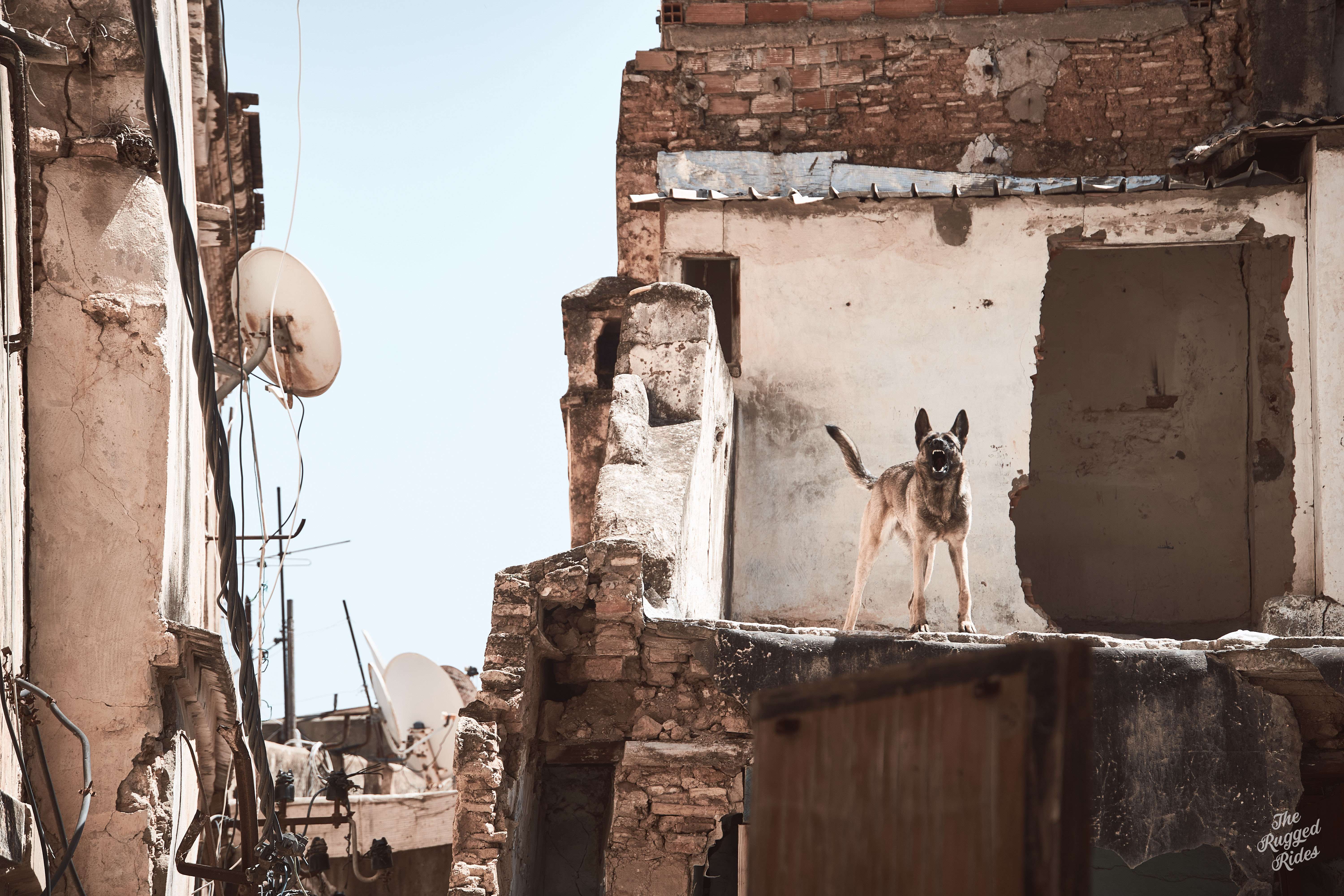
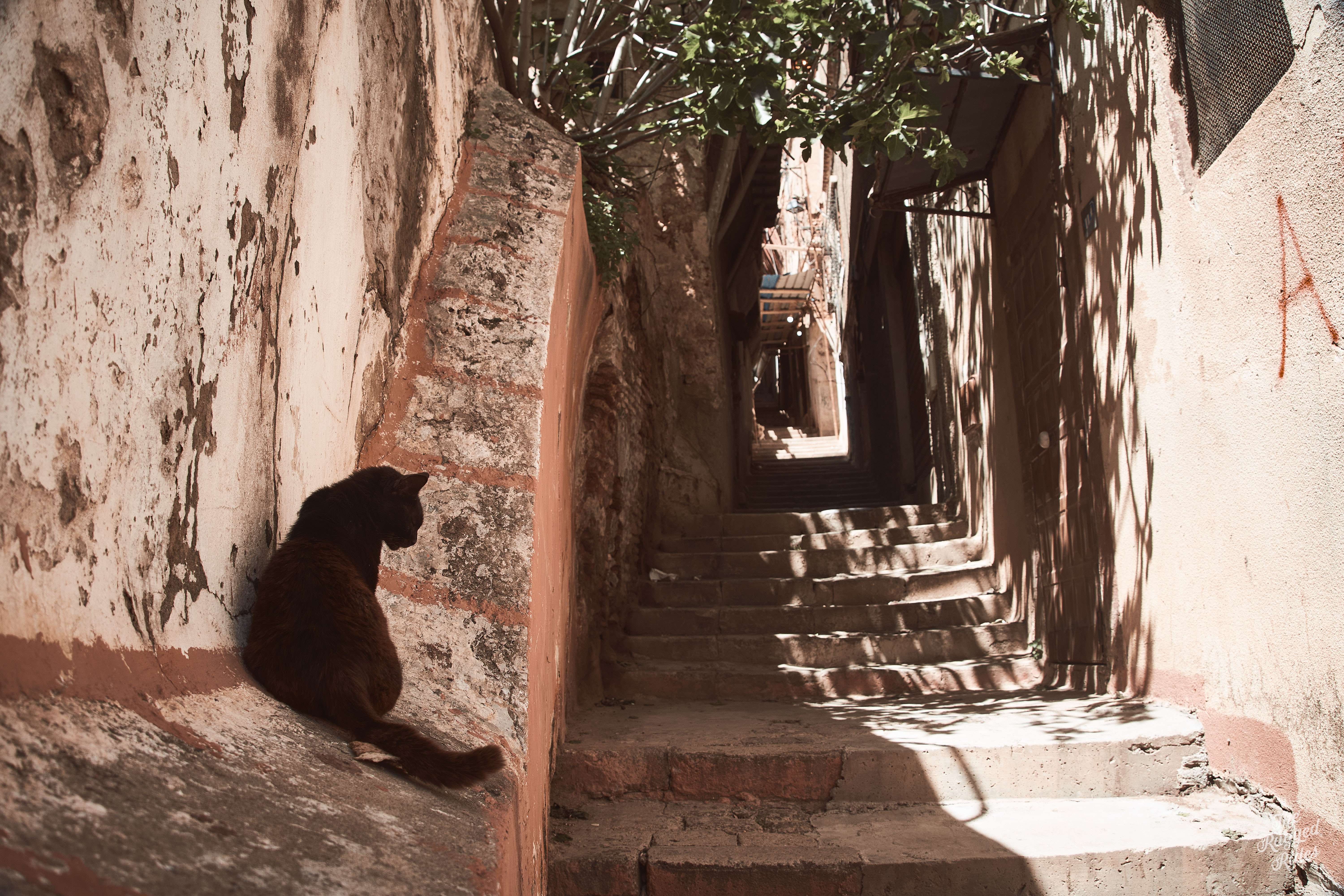
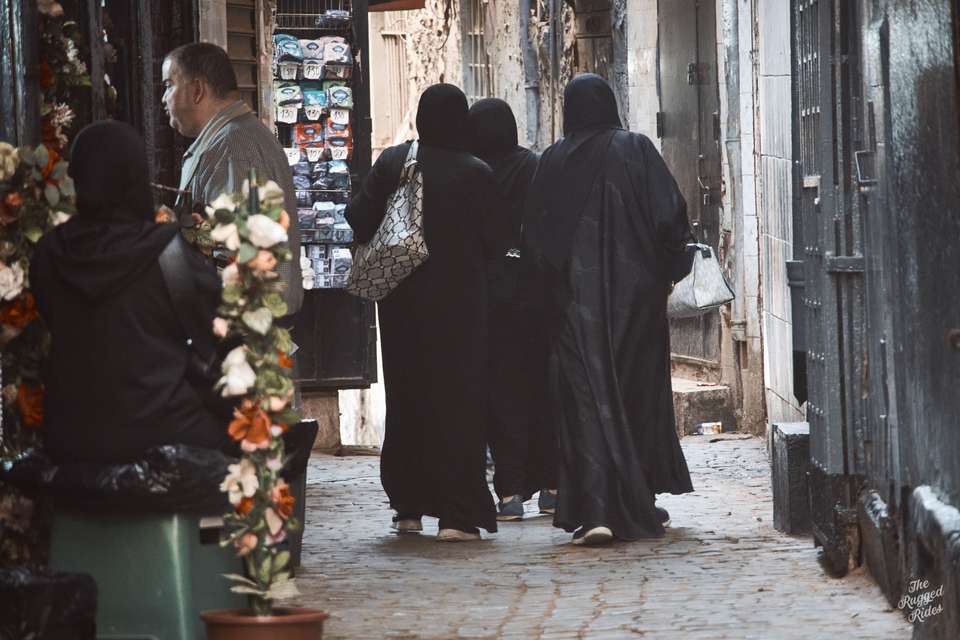
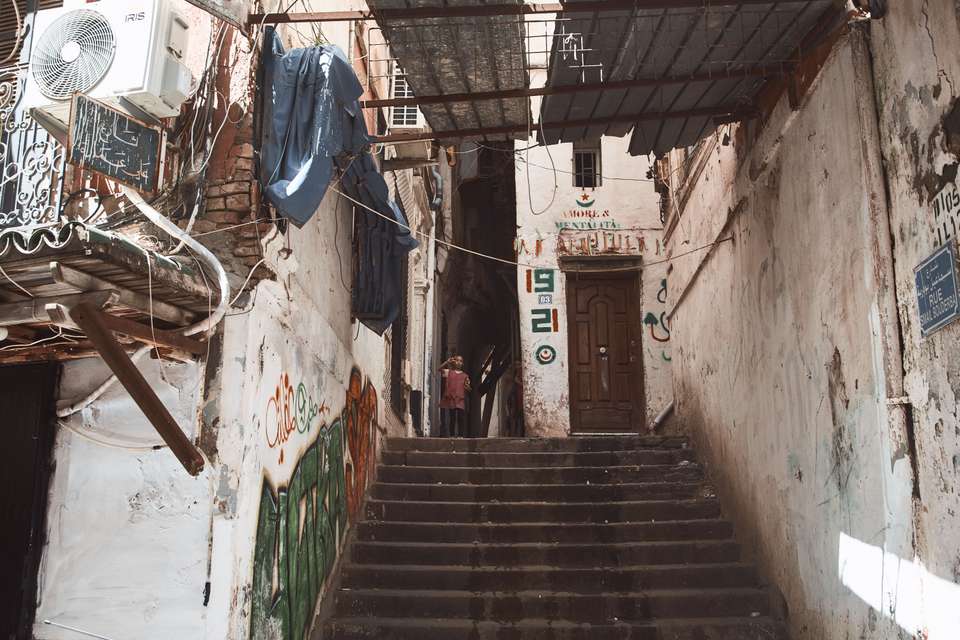
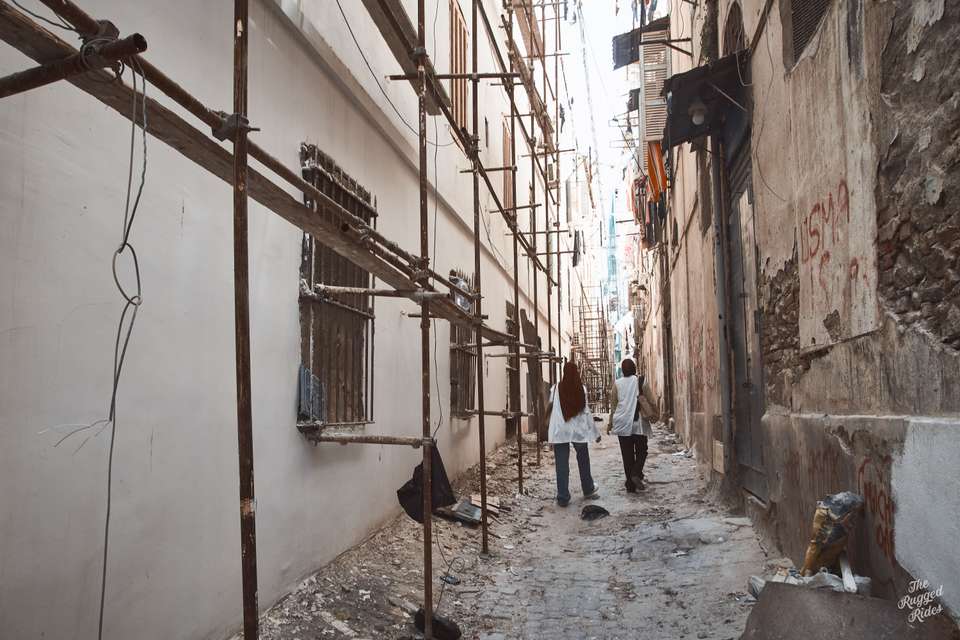
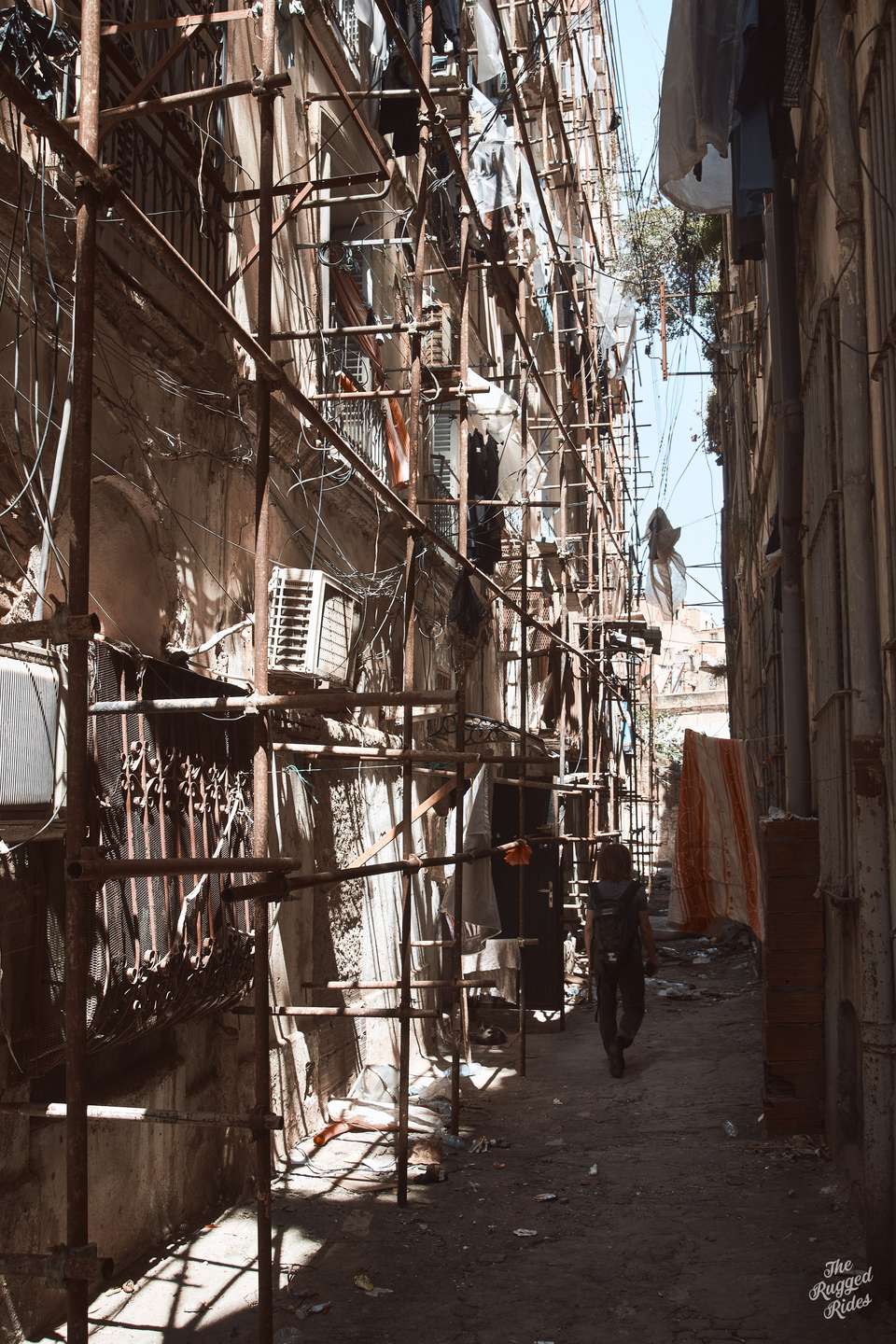
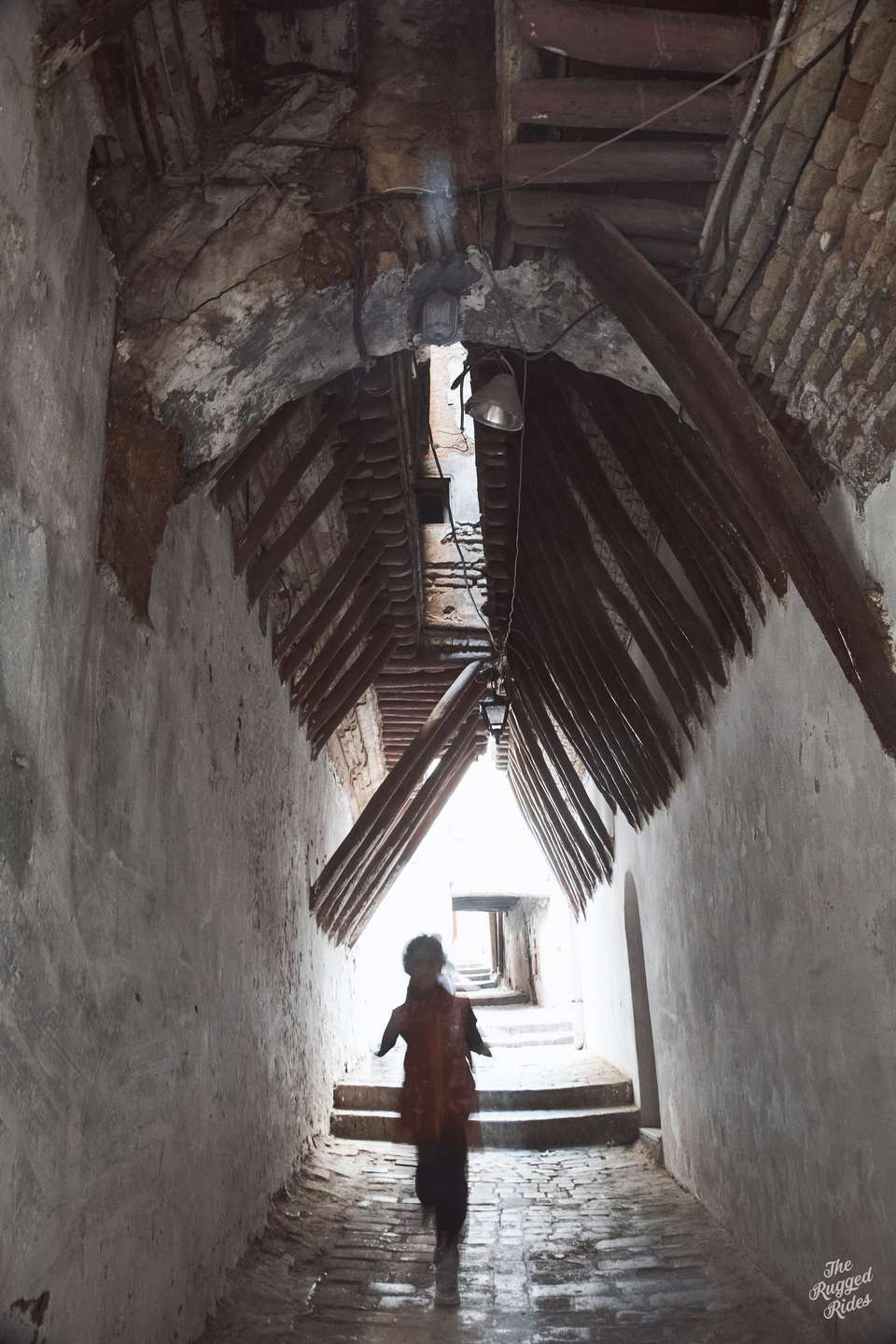
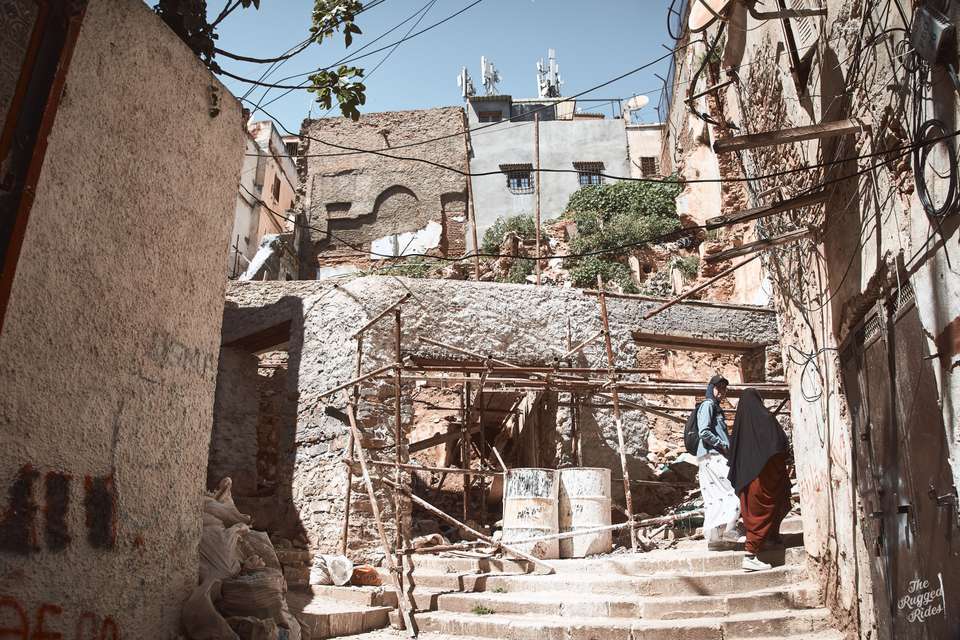
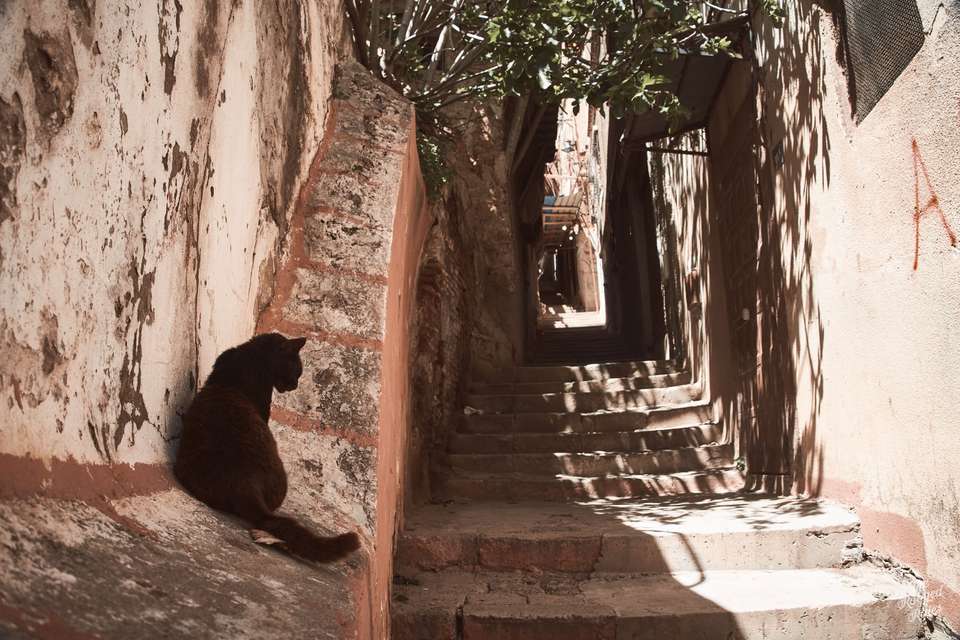
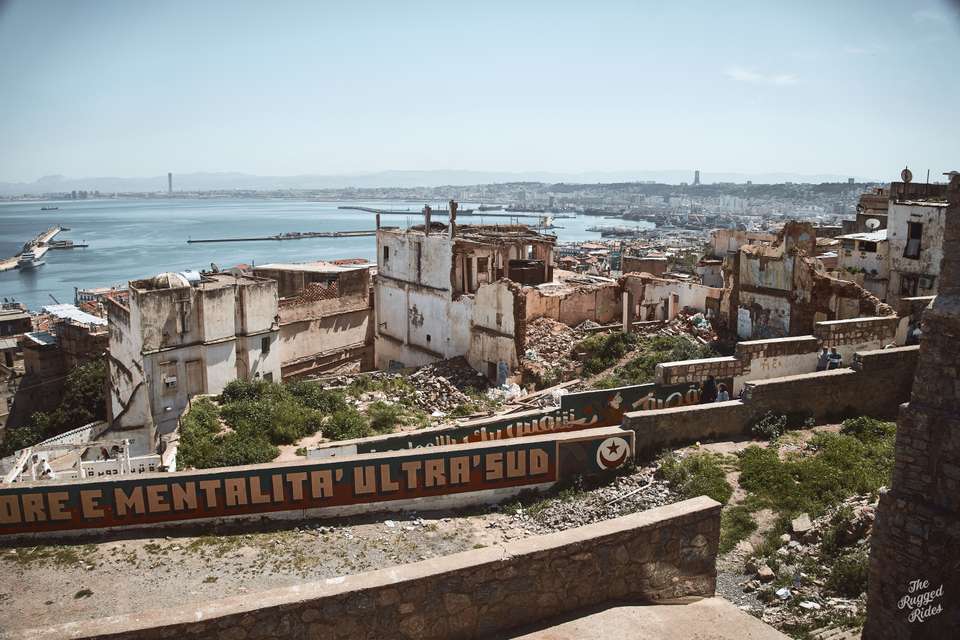
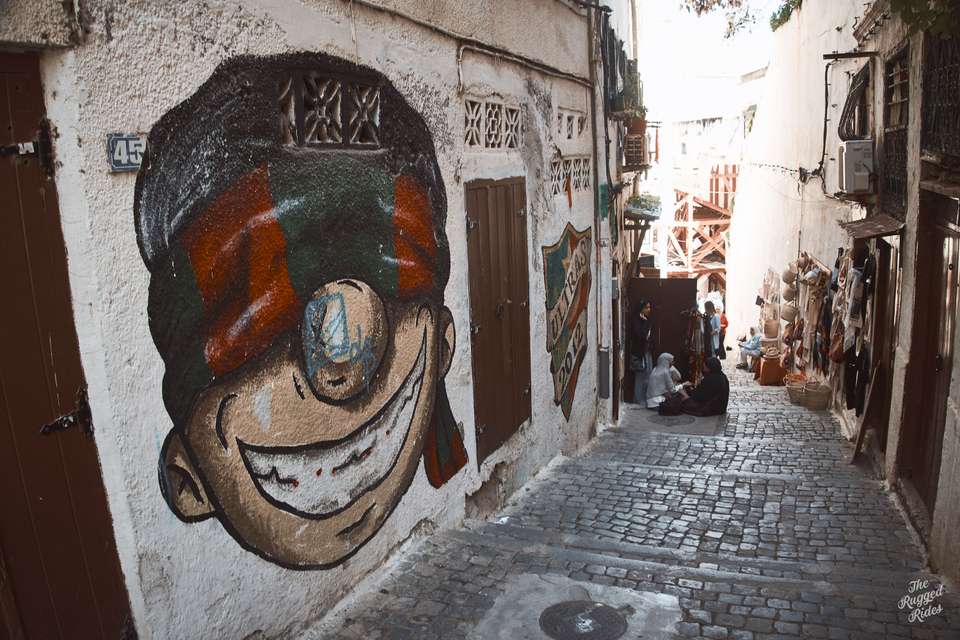
The city's architecture is also deeply connected to its corsair history. Today's old quarter, the Kasbah, was not designed according to some elegant urban masterplan. Instead, it climbs the hillside in glorious, chaotic disorder. It forms a dense labyrinth of narrow streets, deliberately built to confuse invaders and make artillery fire from the sea more difficult. The houses are packed so closely together that in some places neighbours could move from rooftop to rooftop. Rooms have few windows and entrances are narrow, providing both privacy and a bit of relief from the heat.
In 1830, the French captured Algiers, almost by accident. The absurd pretext was a diplomatic quarrel over debts owed by France. The Dey of Algiers, furious at the refusal to repay them, struck the French consul with a fly-whisk. That became the pretext for an invasion, although the real reasons were, of course, economic and political. The French decided to teach the Dey a lesson and, indeed, took the city with remarkable ease. Initially they had no intention of taking full control of it, but after announcing that they were looking for a successor to the deposed Dey… nobody came forward.
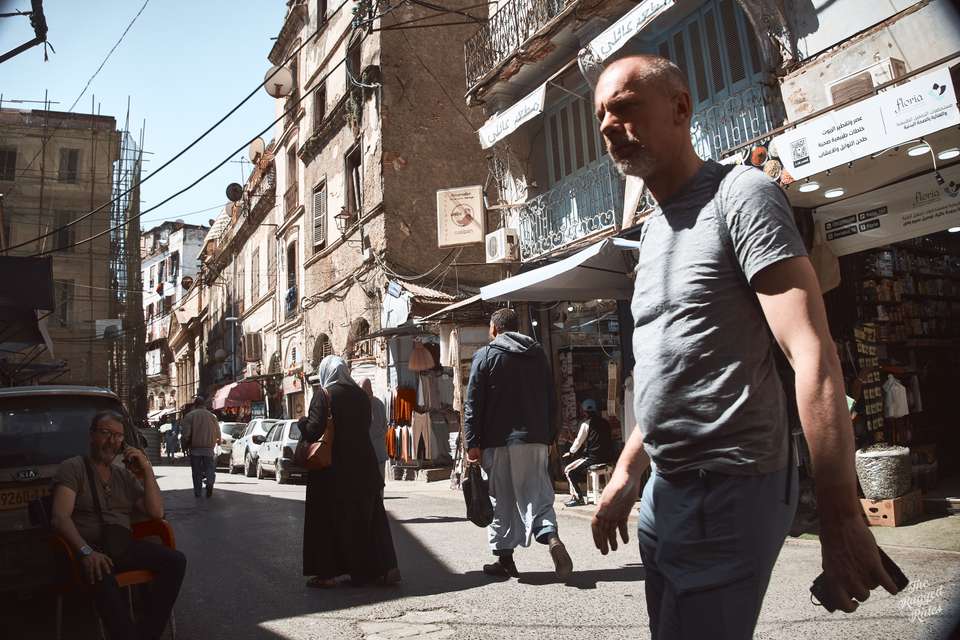
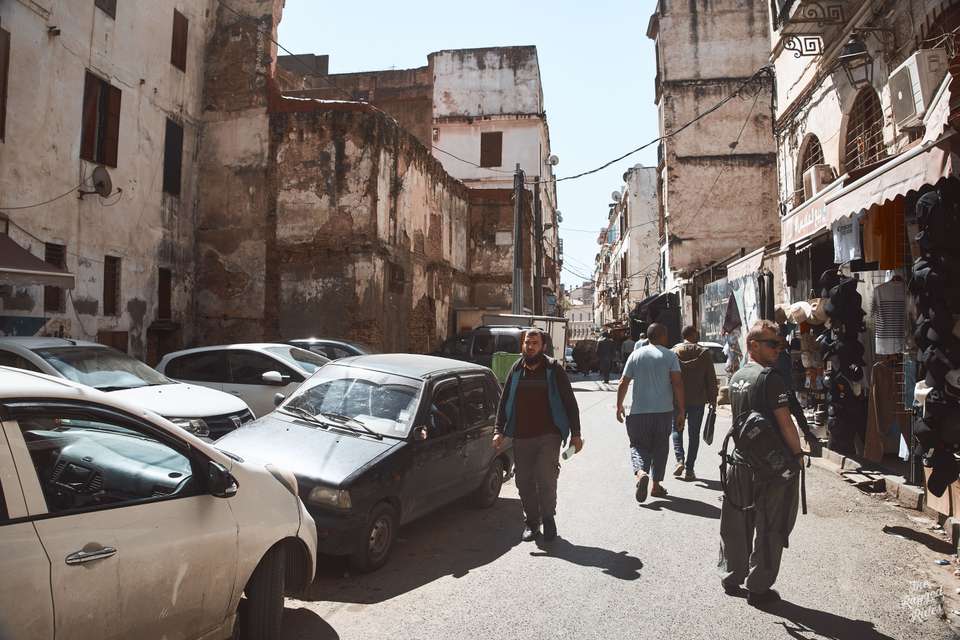
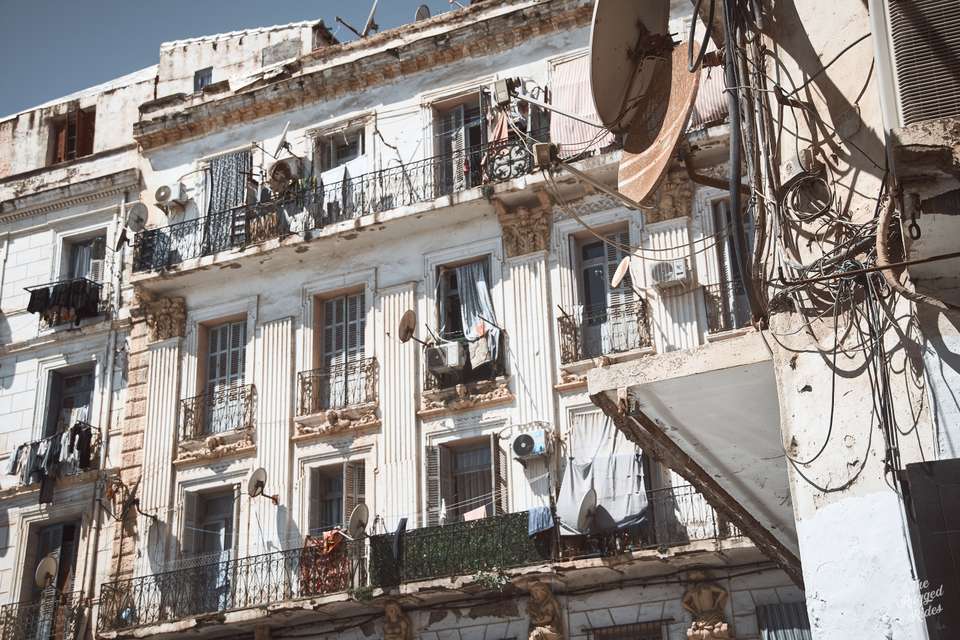
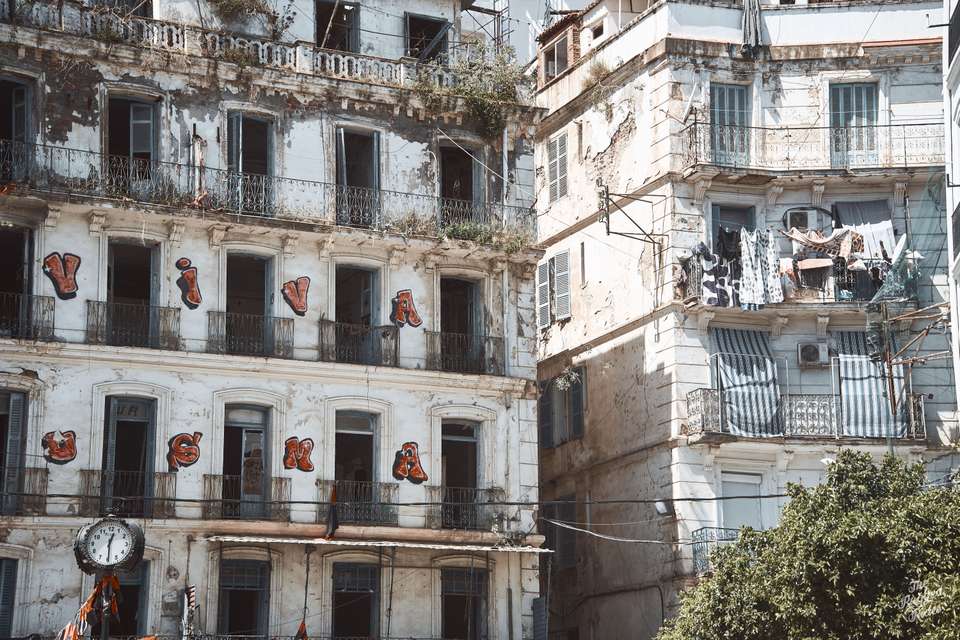
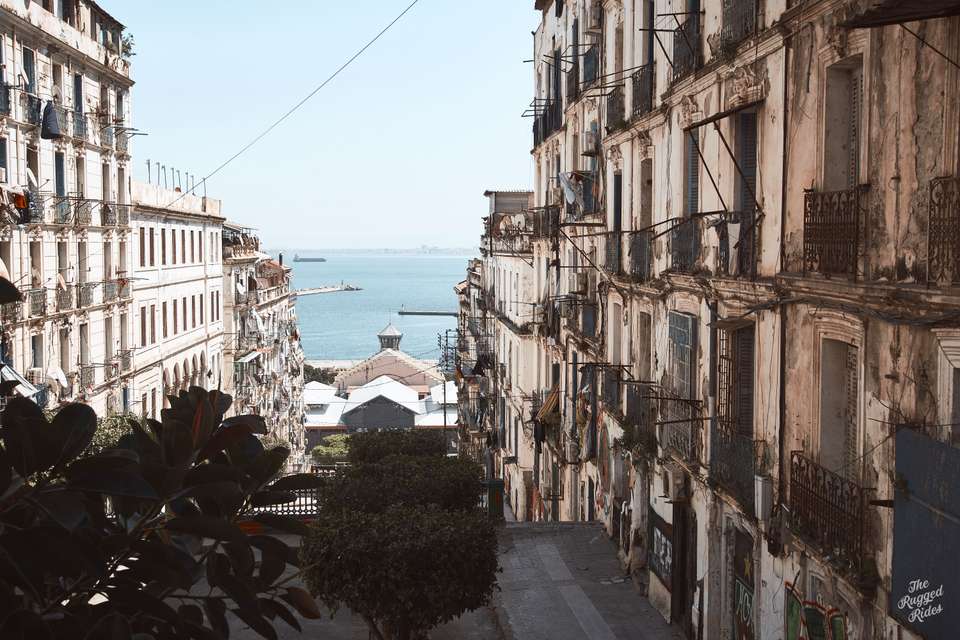
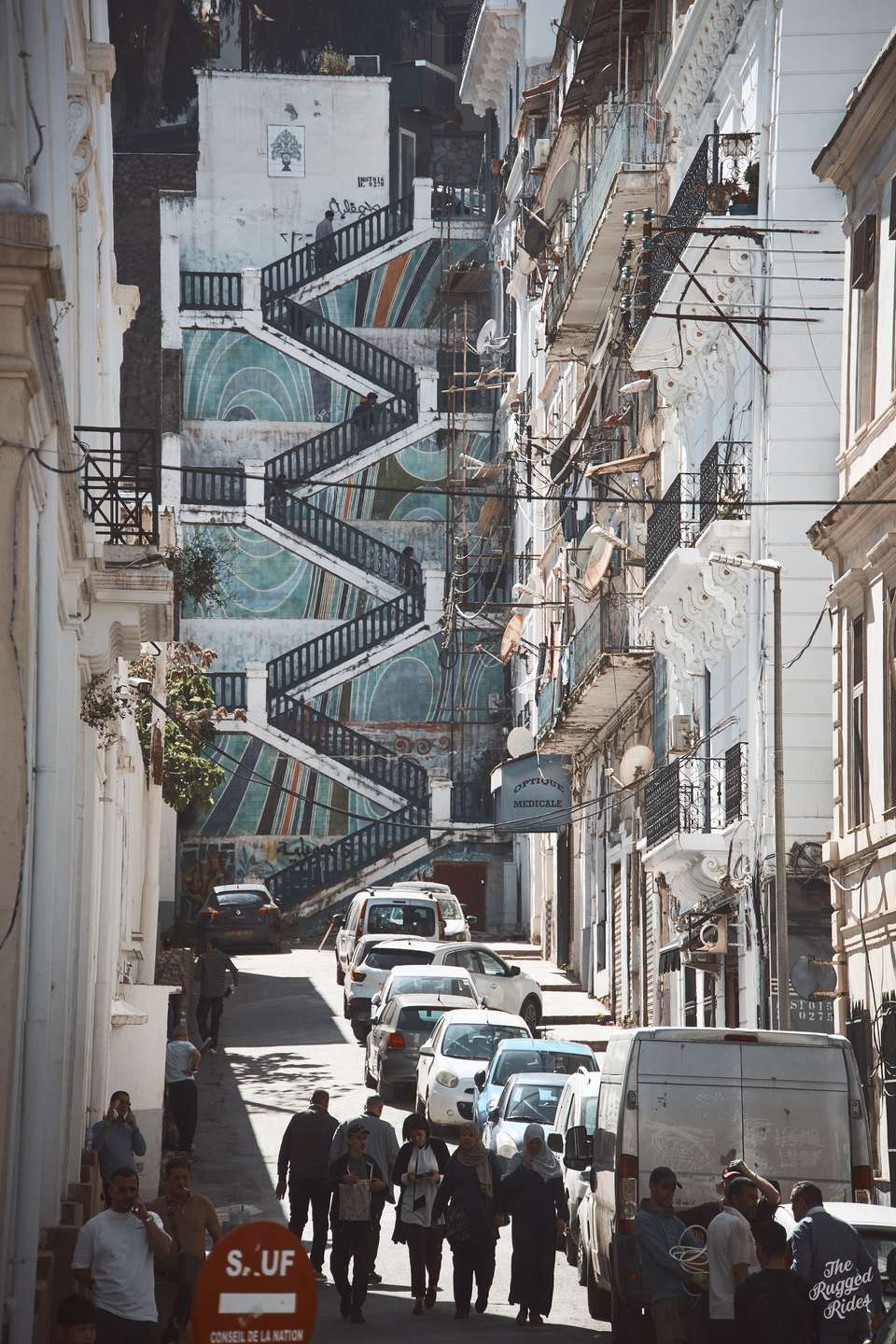
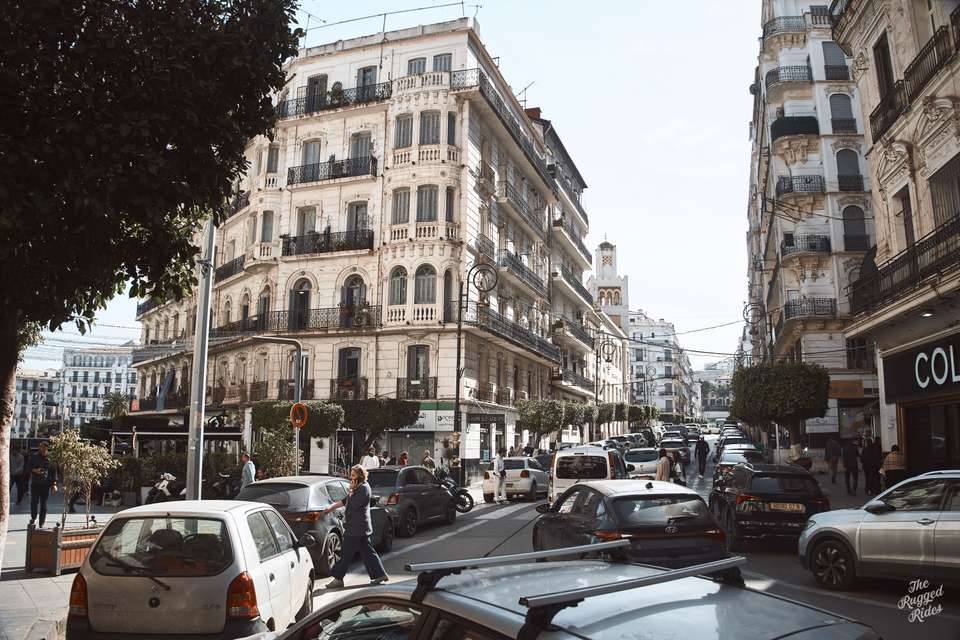
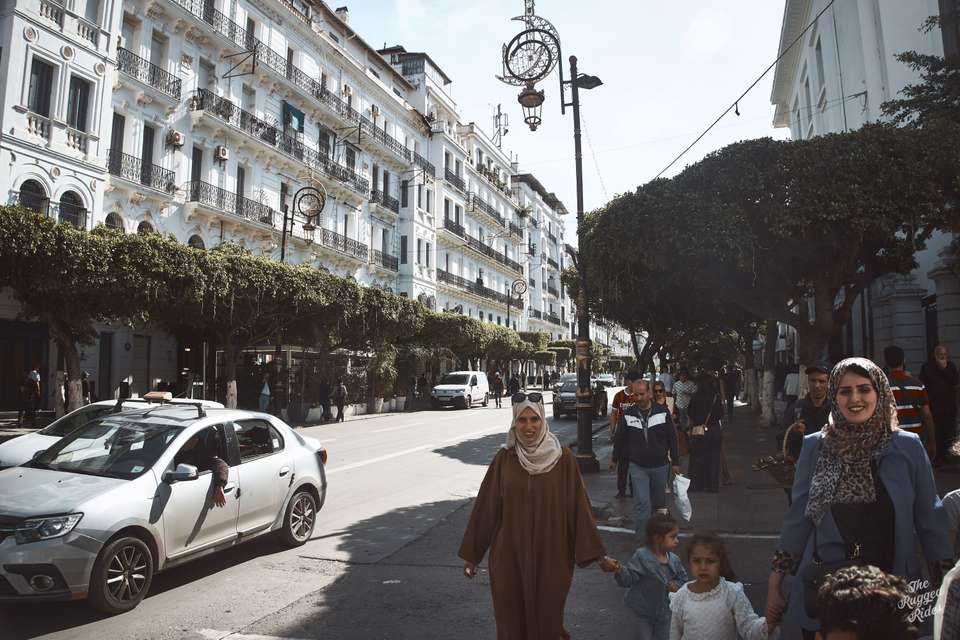
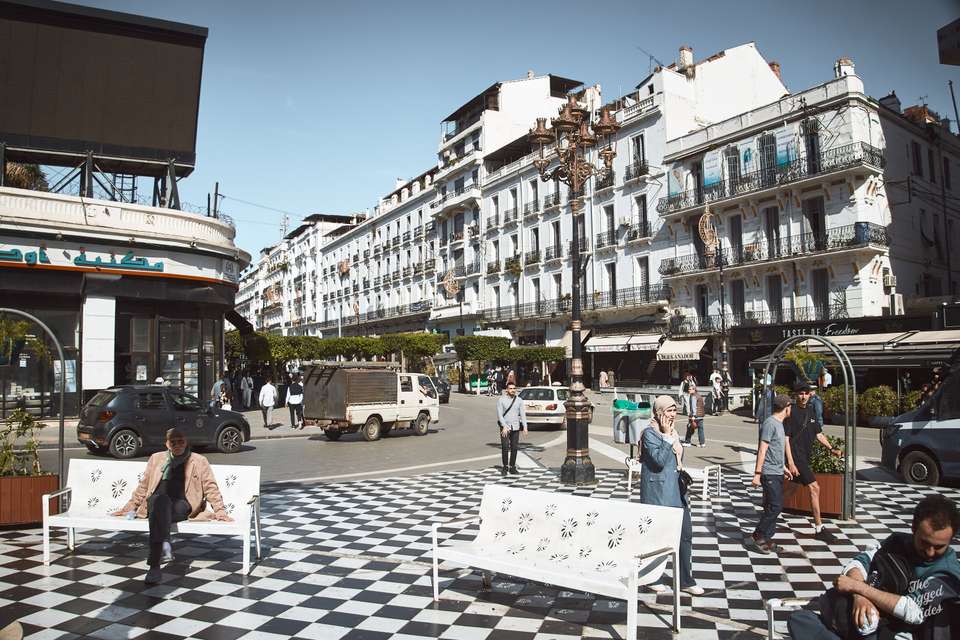
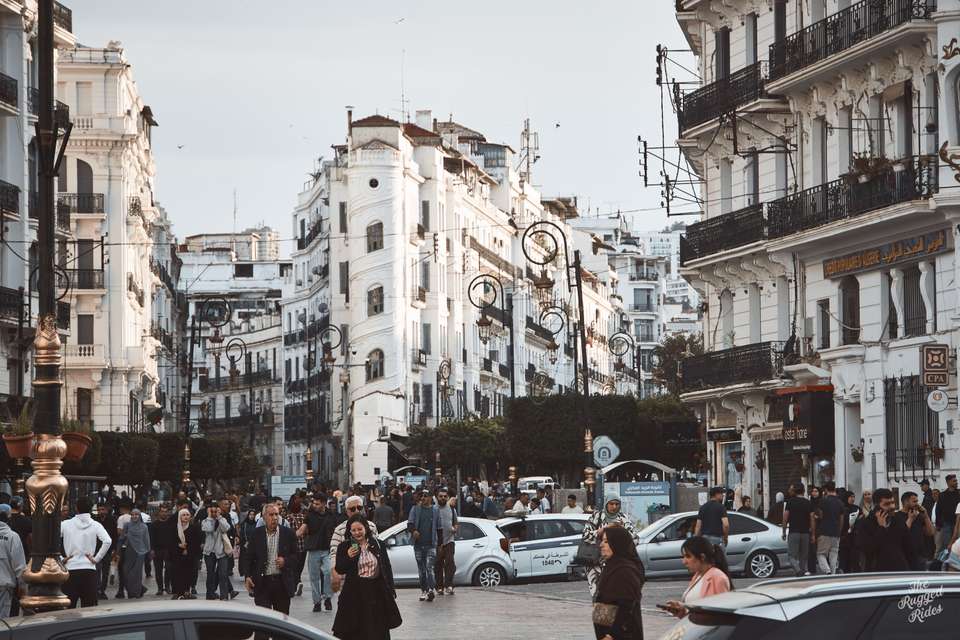
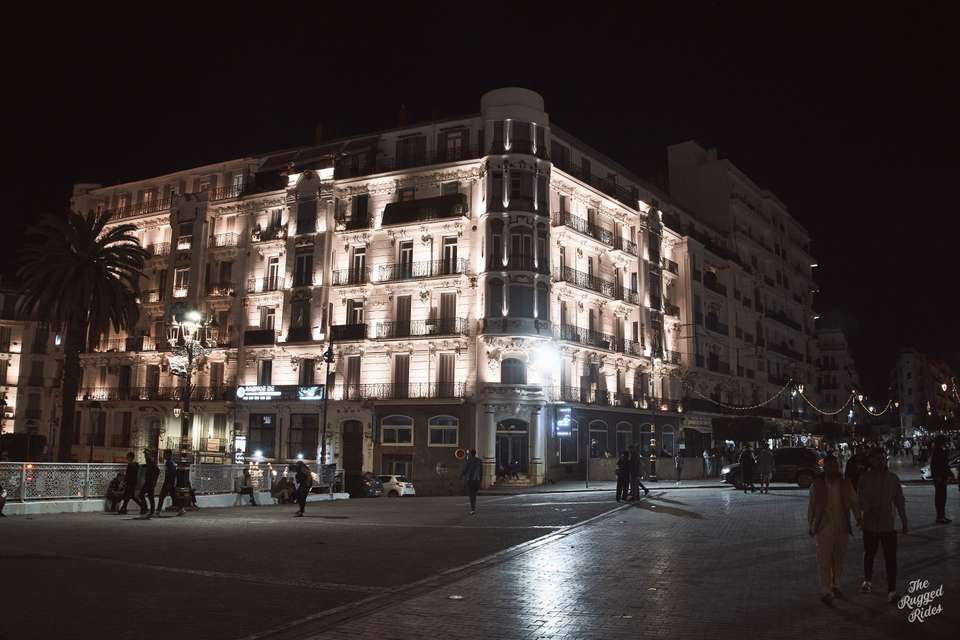
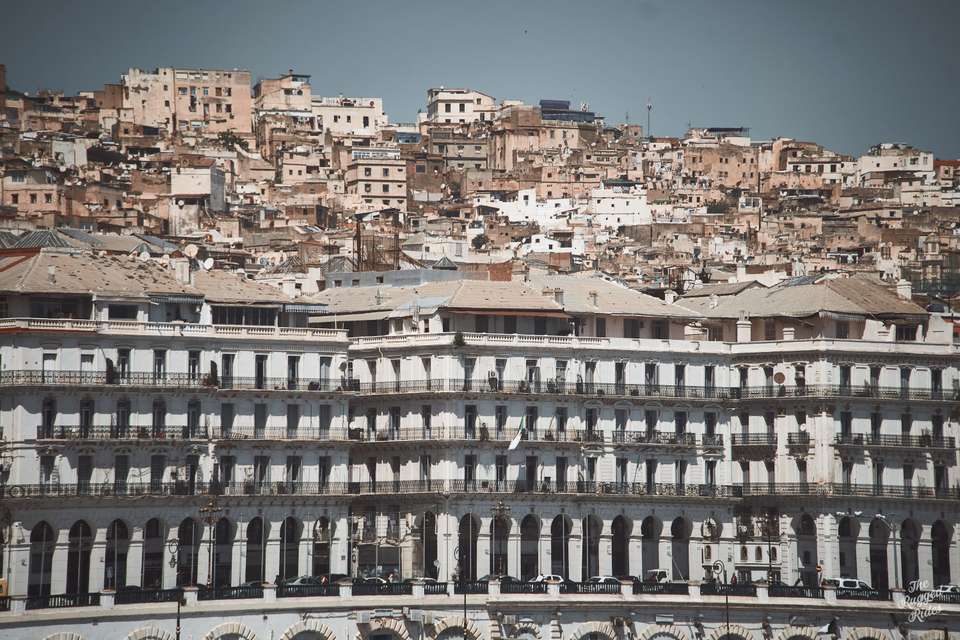
The French built a distinctly European part of the city, with broad Haussmann-style boulevards, which today sit directly alongside the medieval Kasbah. The visual effect is wonderfully surreal, two completely different cities touching one another, yet barely blending at all.
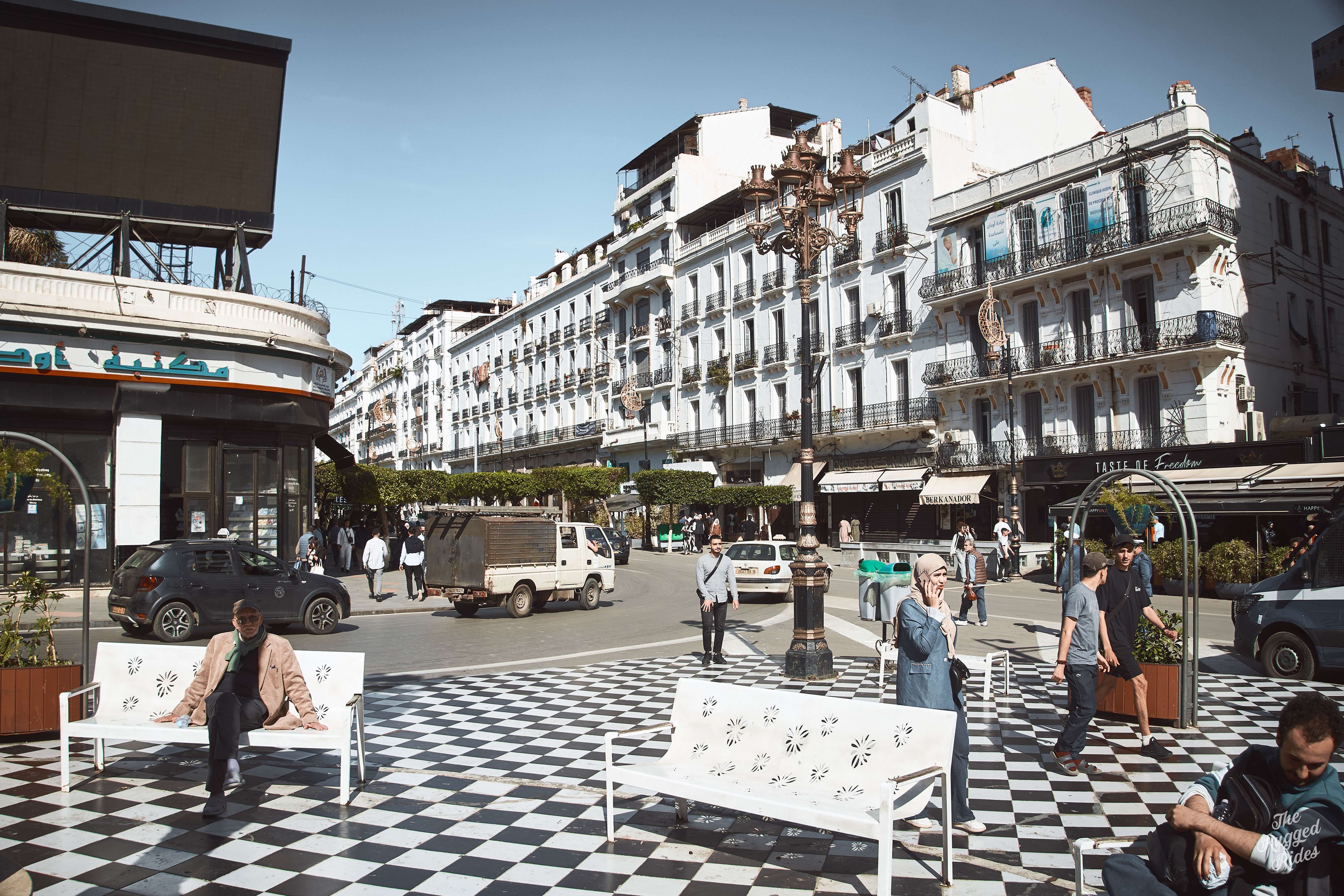
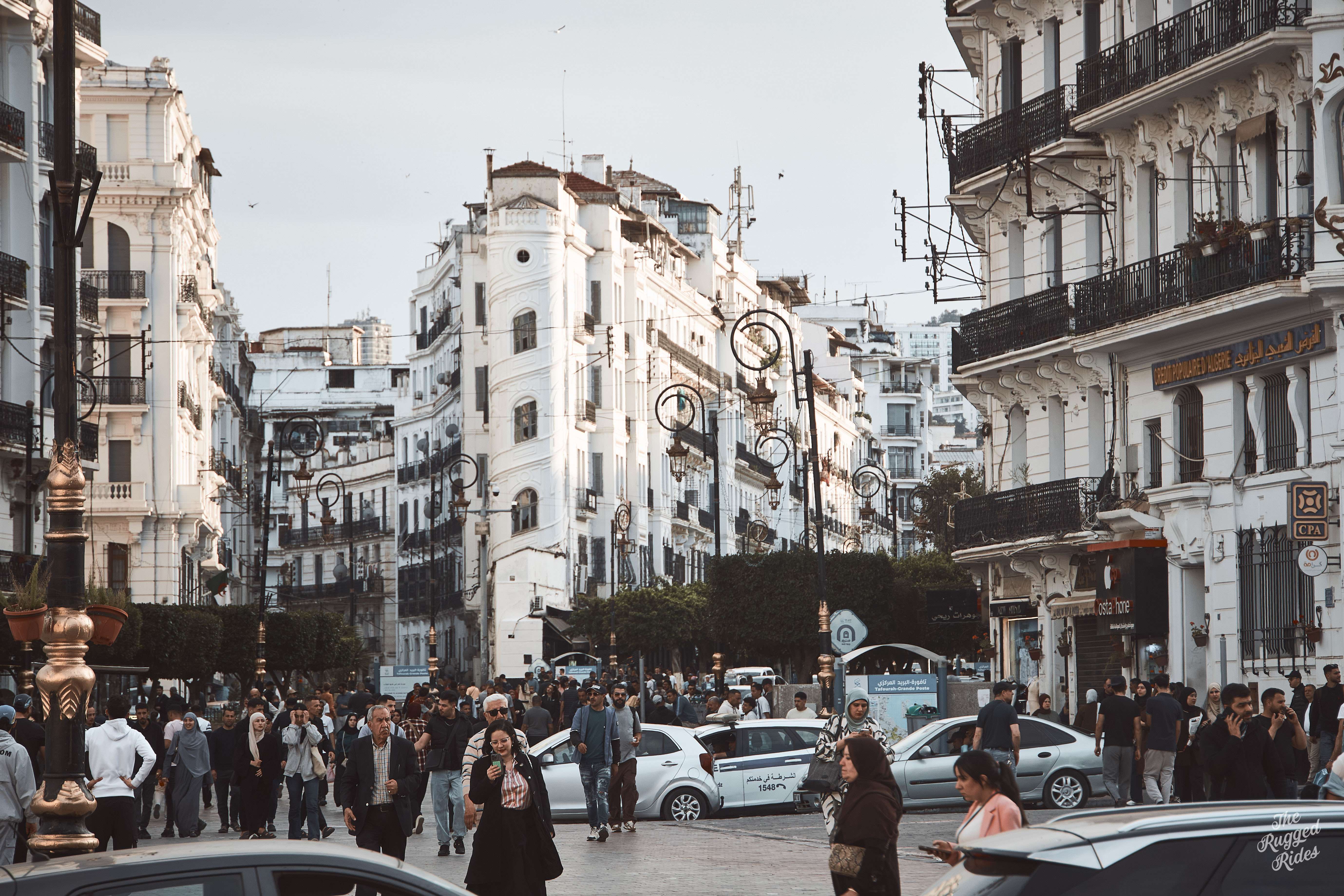
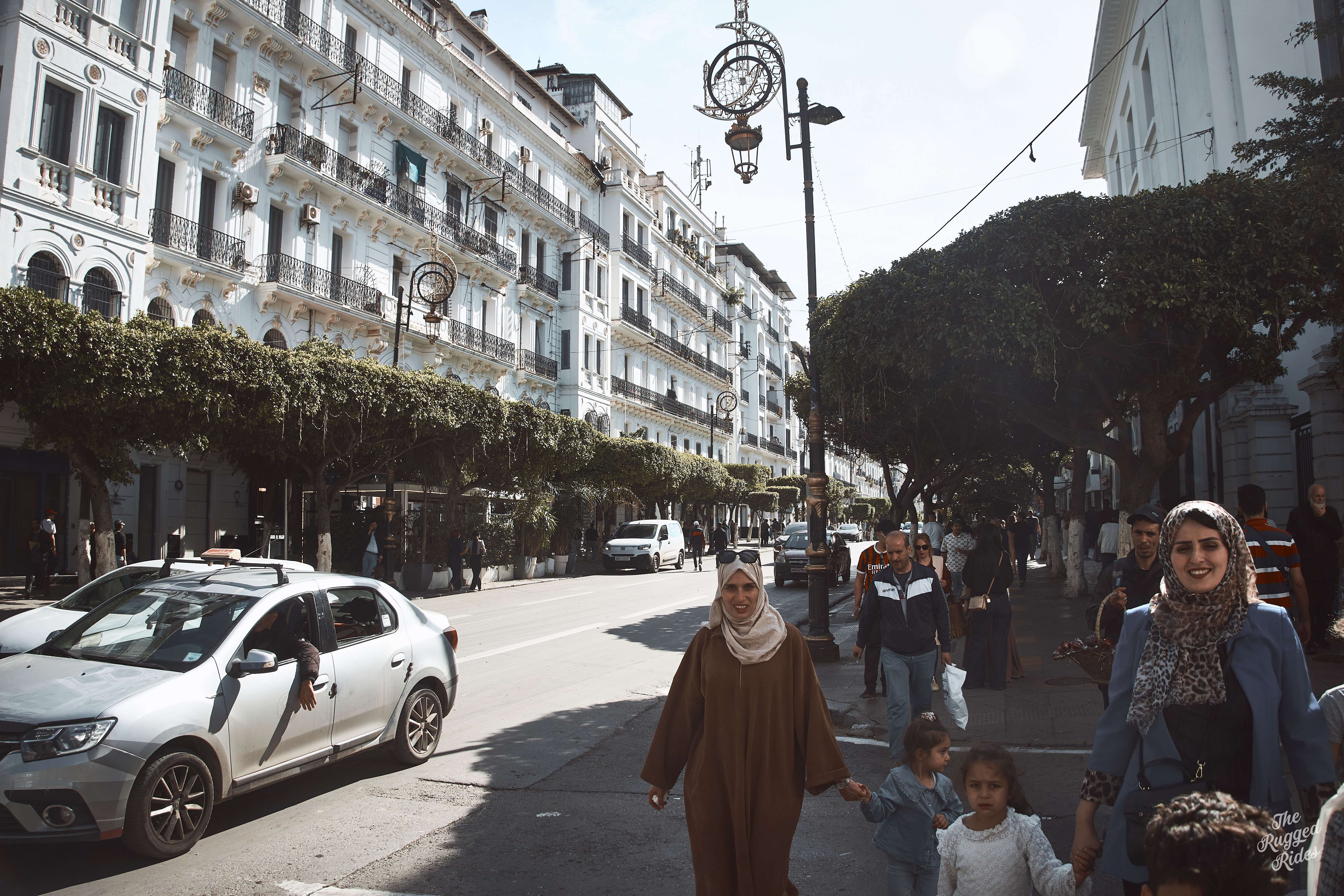
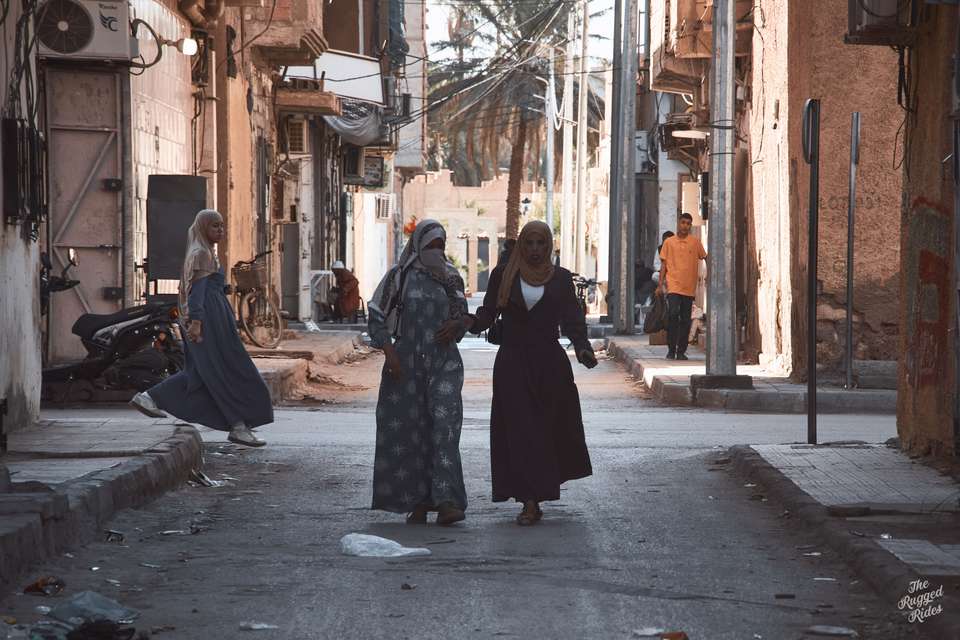
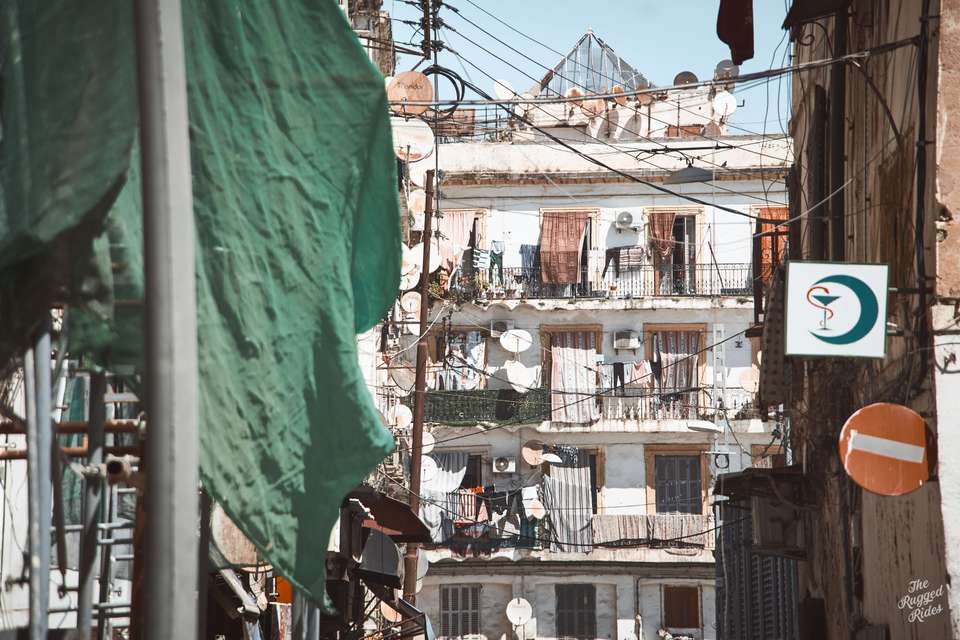
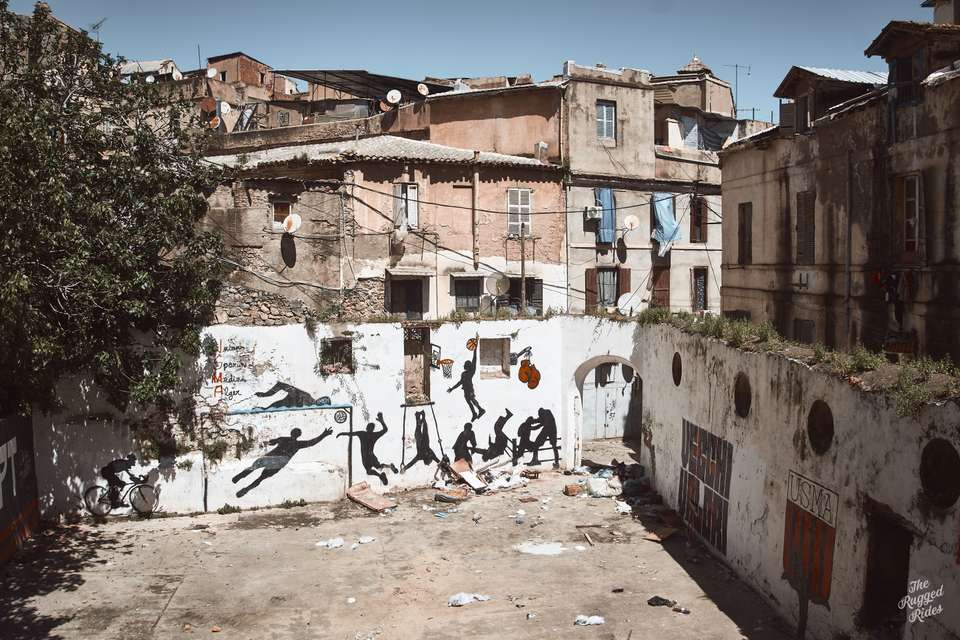
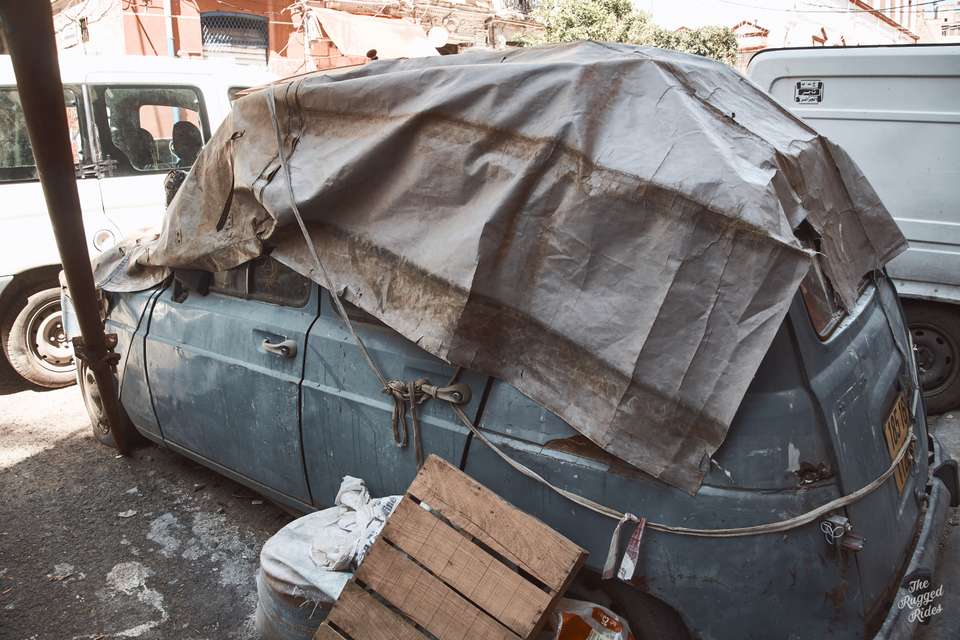
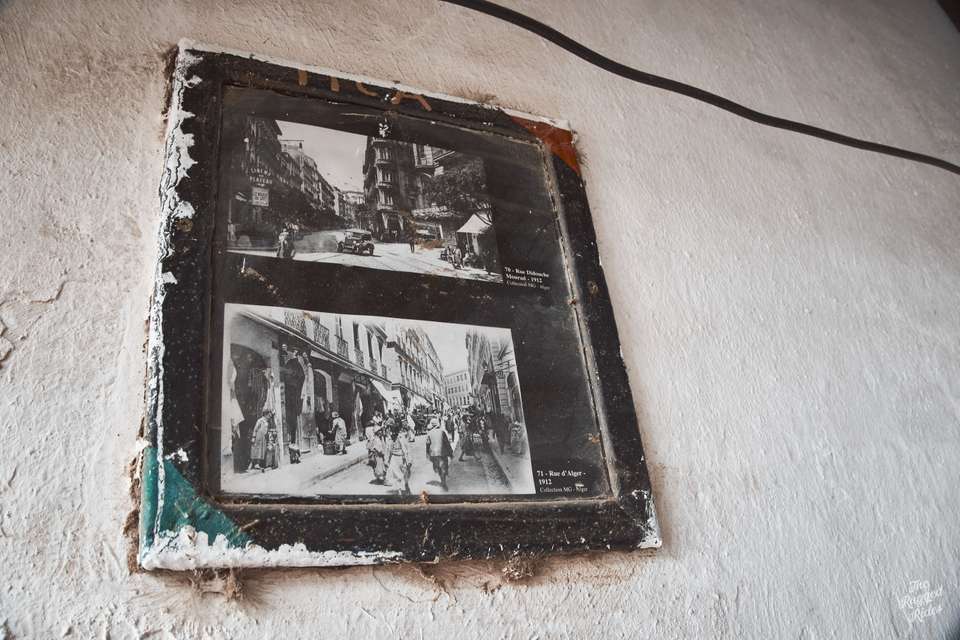
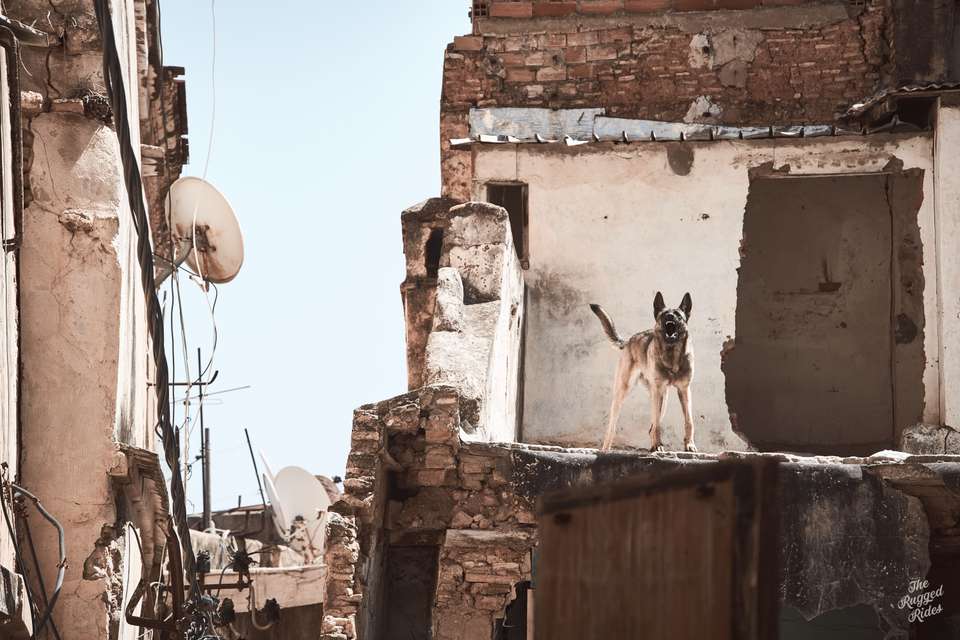
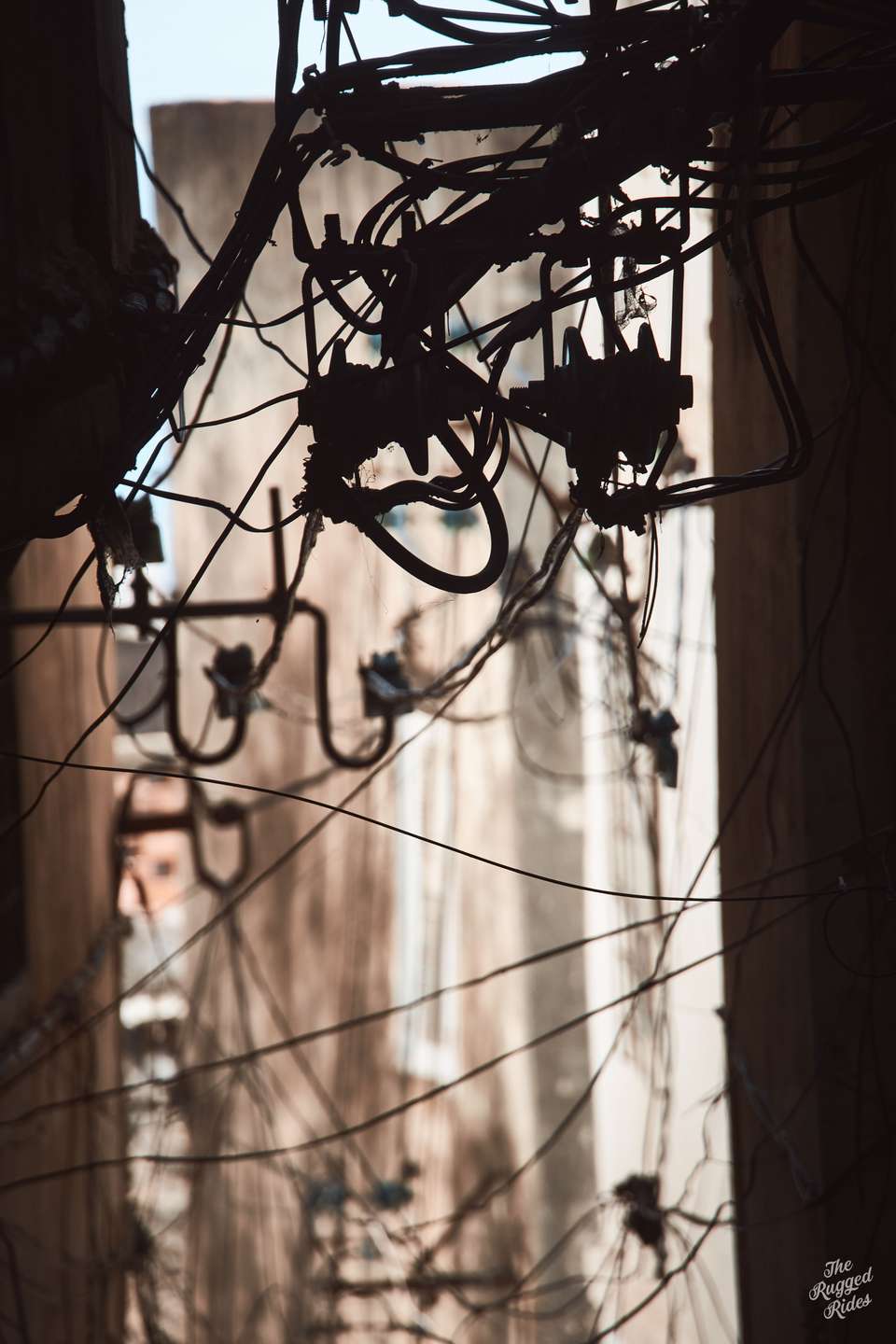
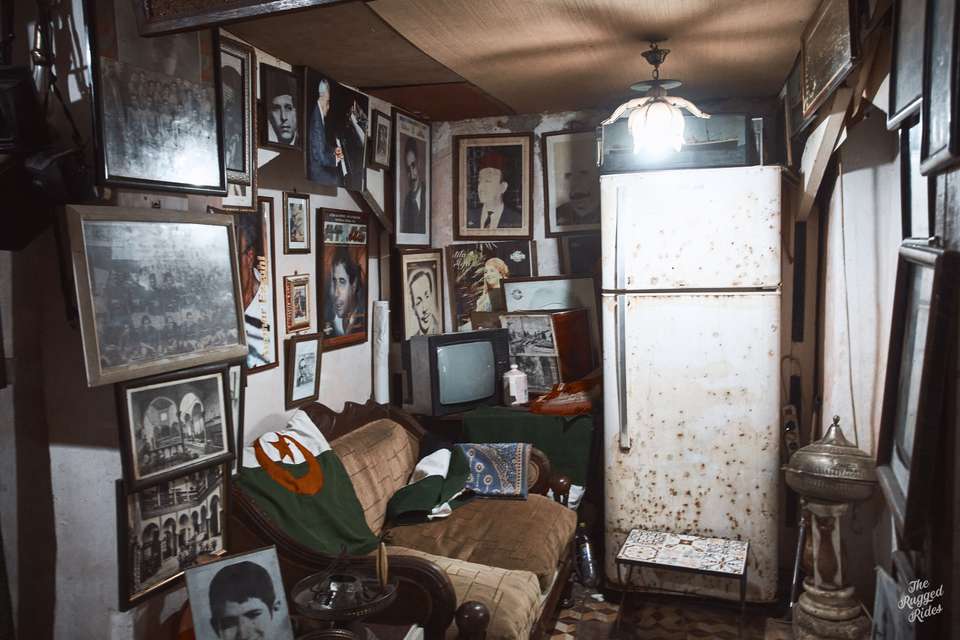
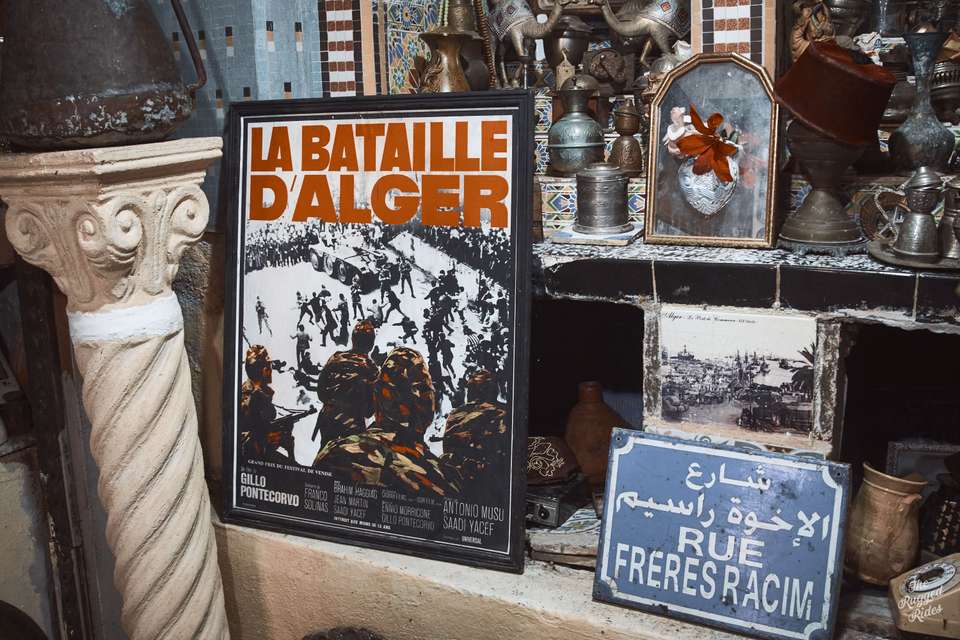
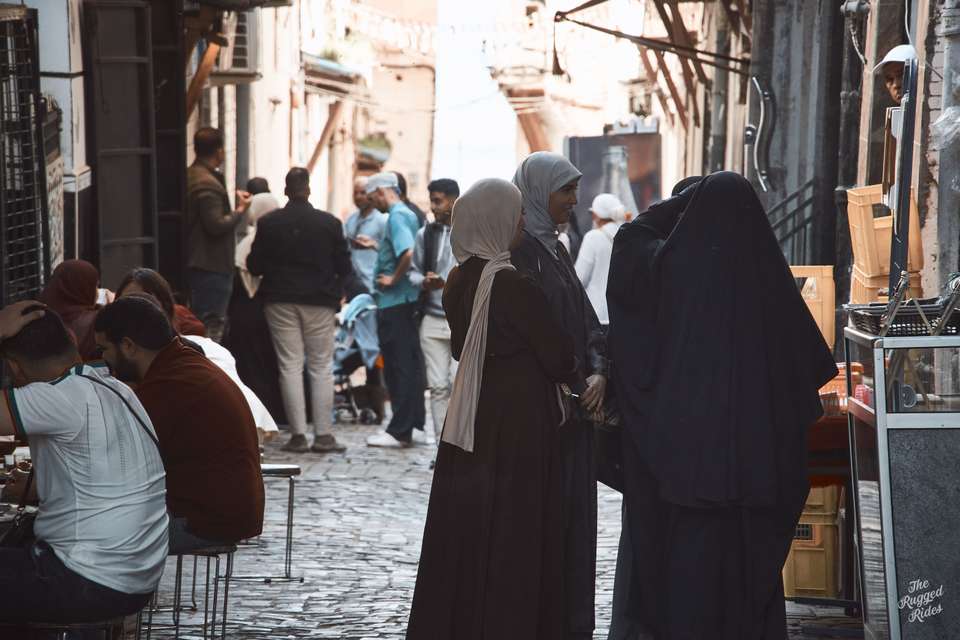
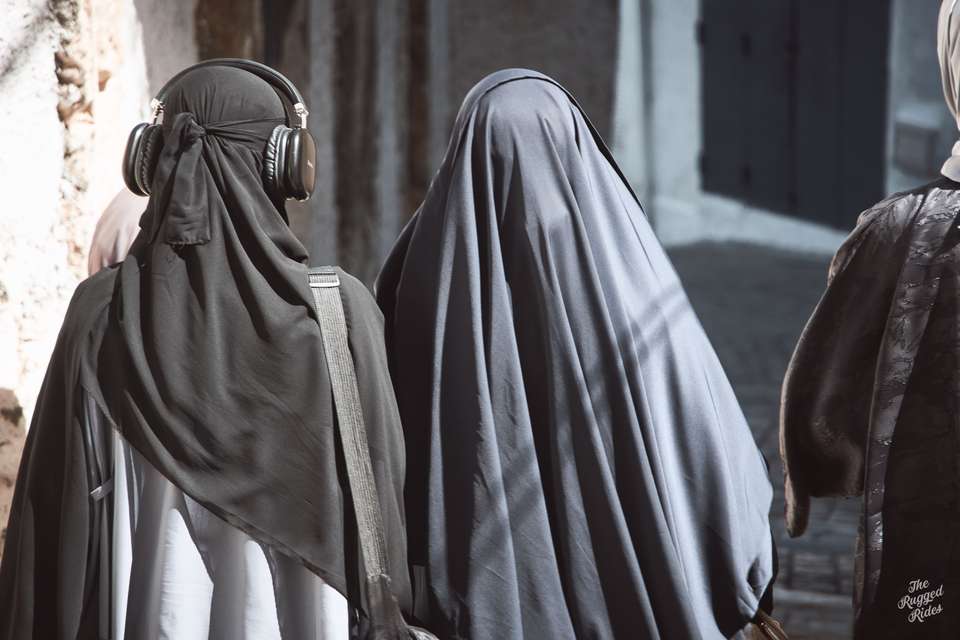
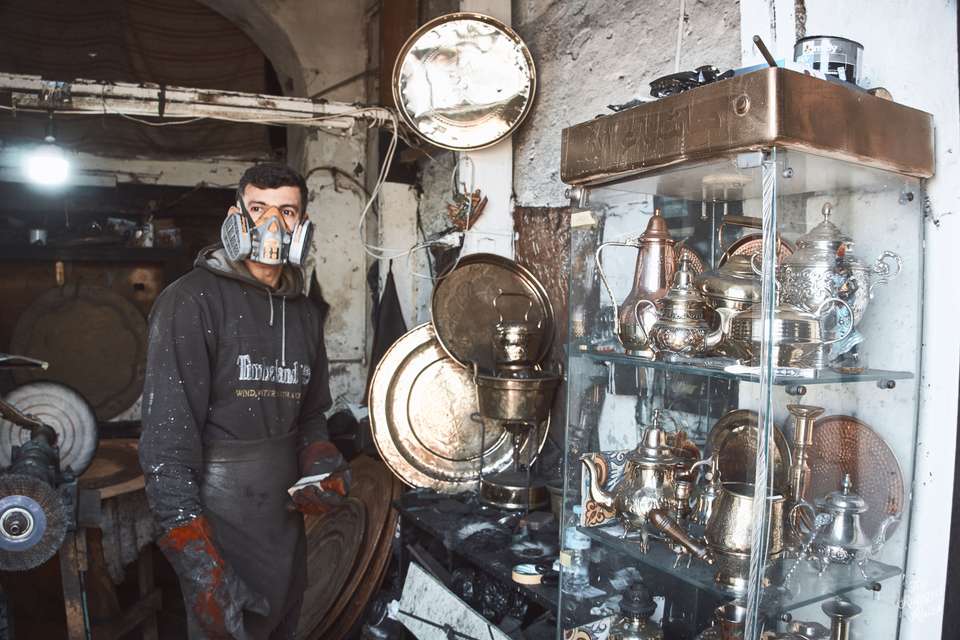
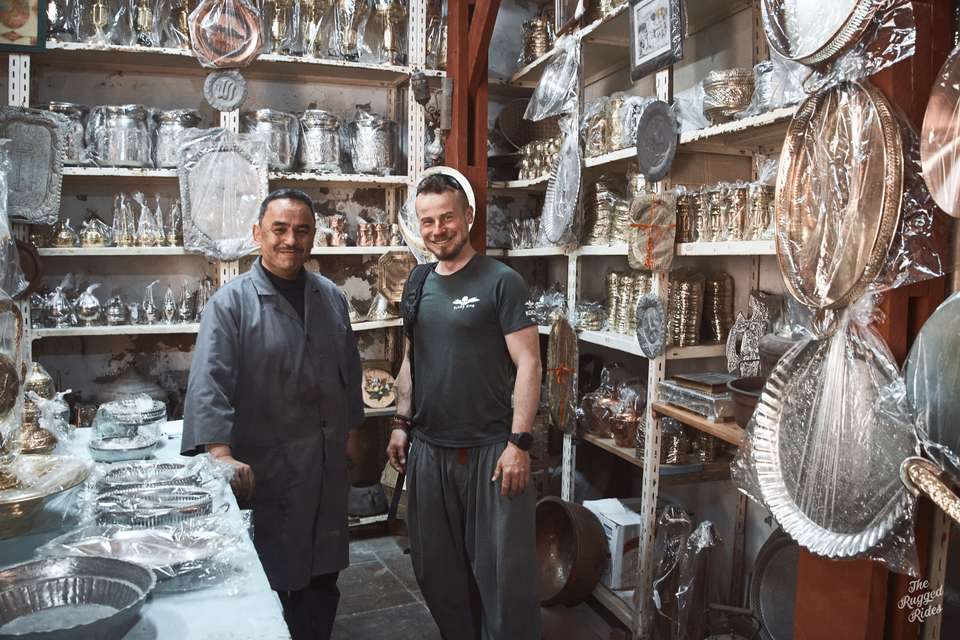
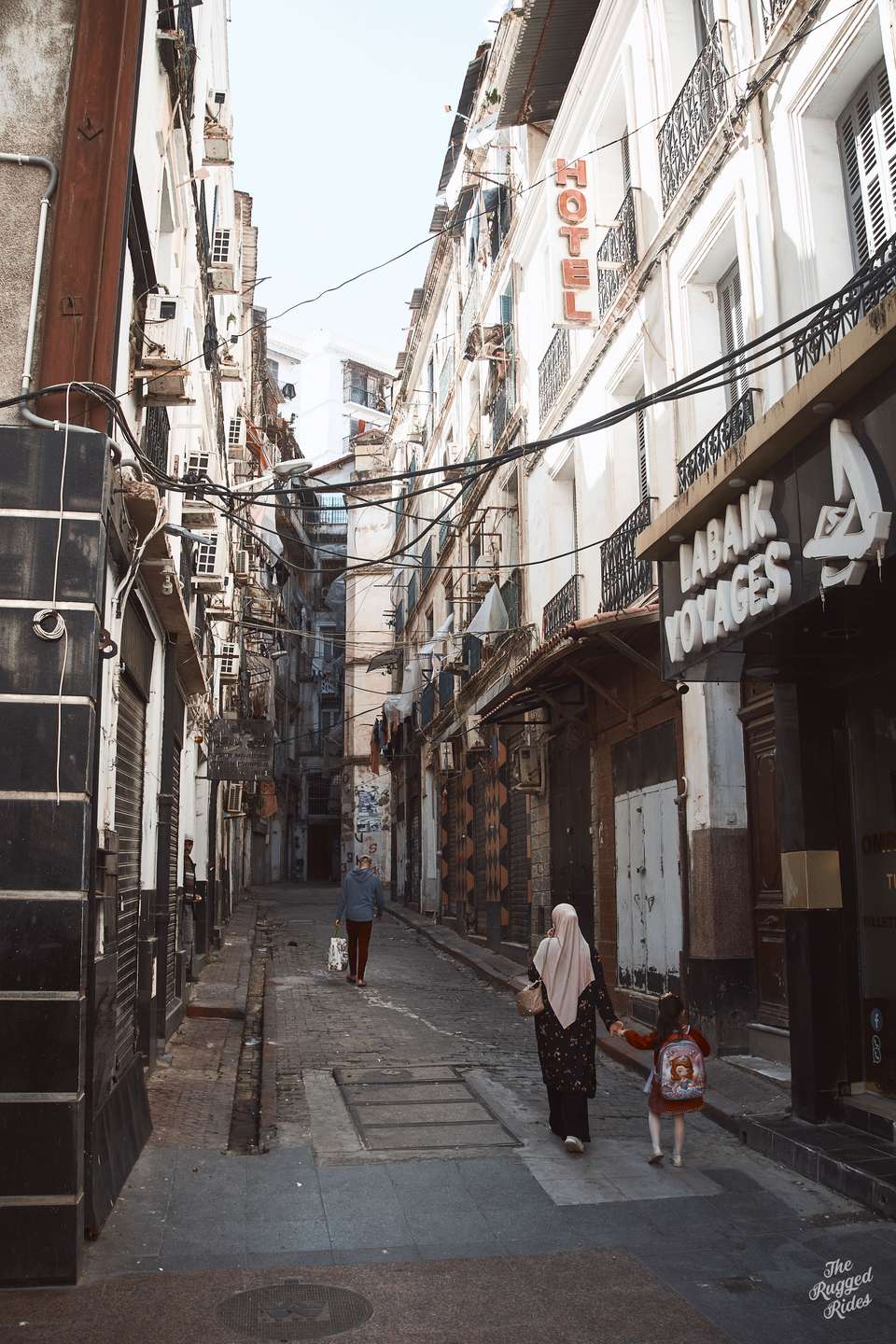
From early morning we explore both. First, the almighty traffic jams on the way into the centre, the president of Mauritania happens to be visiting the city. Then the utterly wonderful Kasbah and the Ville Nouvelle. I love these patinated details, places that haven't been polished and renovated, but where history simply mixes with the present. And the present reality is that the locals have adapted the elegant French buildings to their own way of living. Peeling walls, tangled bundles of electrical cables, tiny workshops working flat out, endless lines of washing hanging from balconies… We wander around until late and I regret that we have so little time. We buy some Algerian wine, and I also pick up a little brass teapot, a so-called berrad, from one of the workshops.
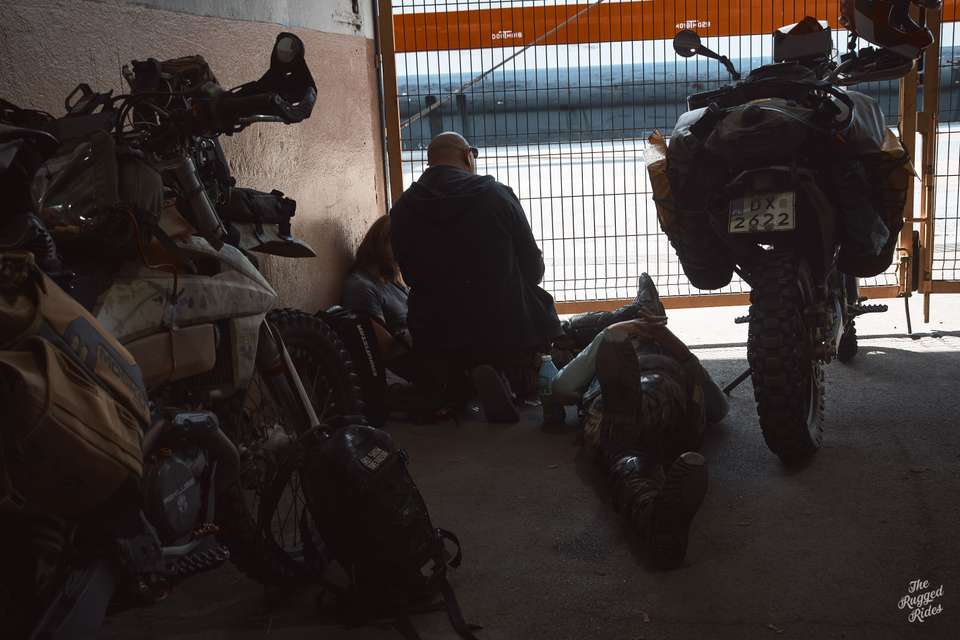
The following day, our adventure comes to an end. It was magnificent, worth every single moment. Even at the border, dozing on the ground in a queue of cars, I find myself thinking about returning. The Sahara seduces you, leaving its mark behind, that extraordinary silence which filled every night beneath the stars, the vastness in which you feel both utterly tiny and completely present. It never demands your attention. It simply waits, patiently, until you return.
Leave a comment