Leaving Kaokoland doesn't mean the world around you turns into a tourist trap.
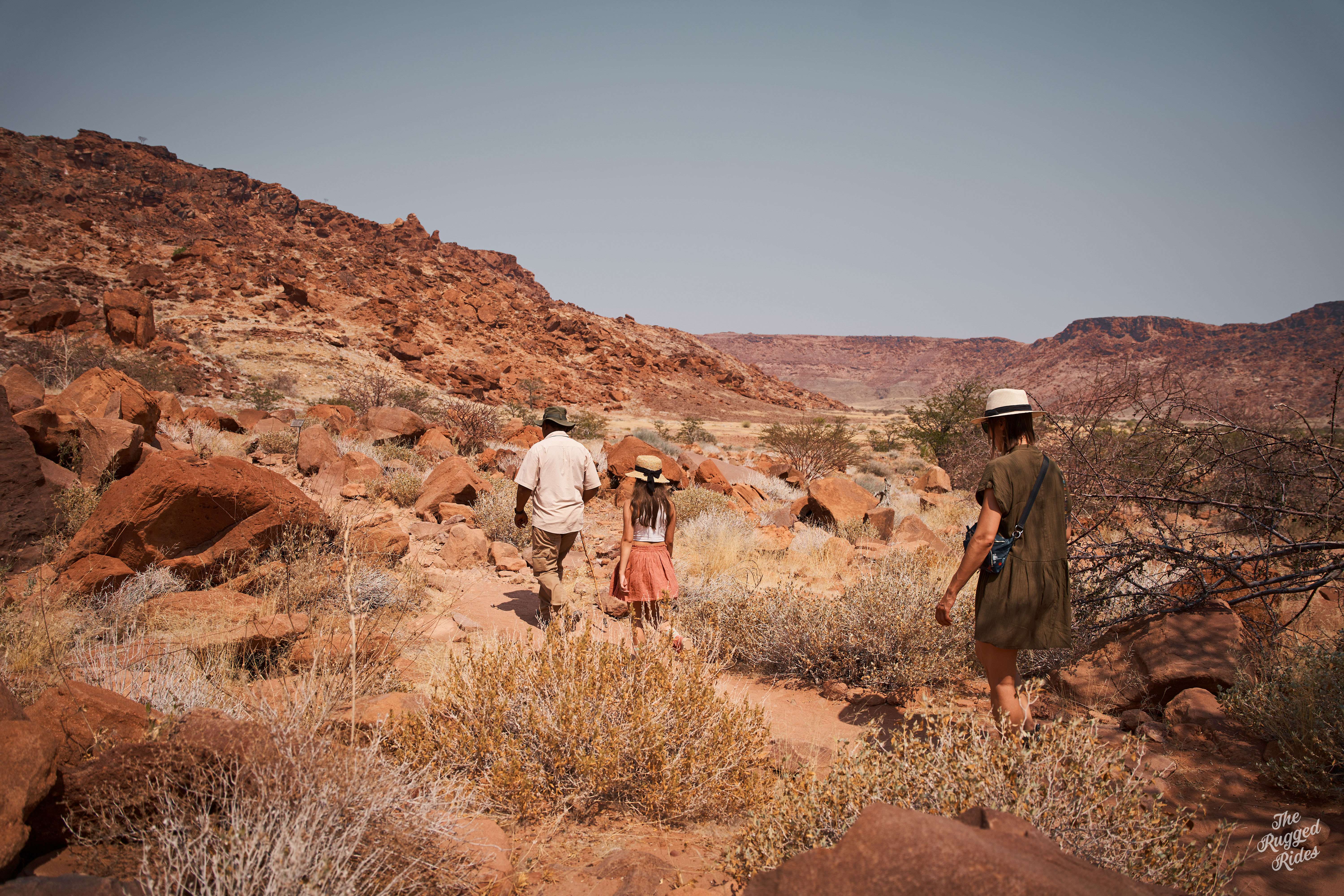
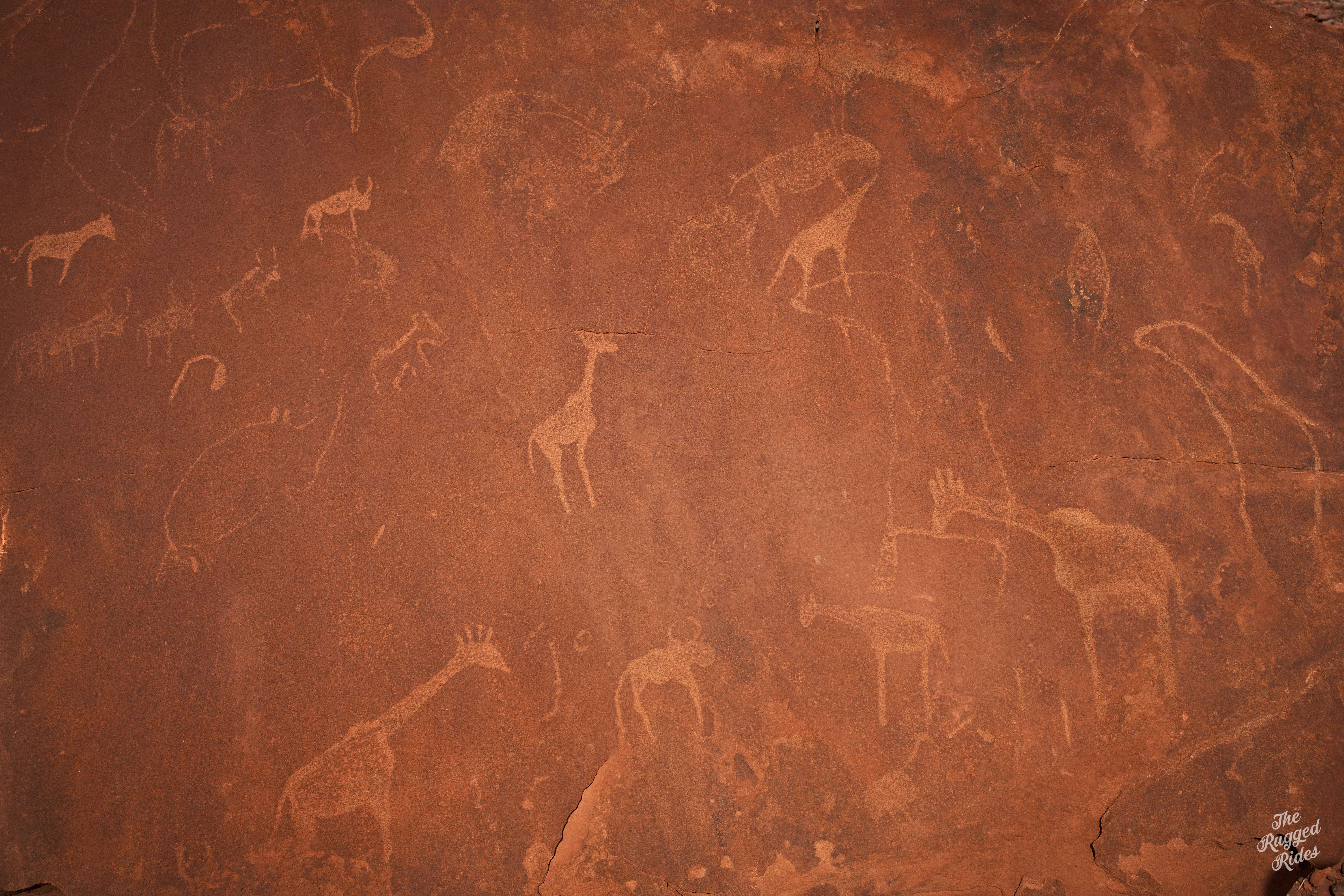
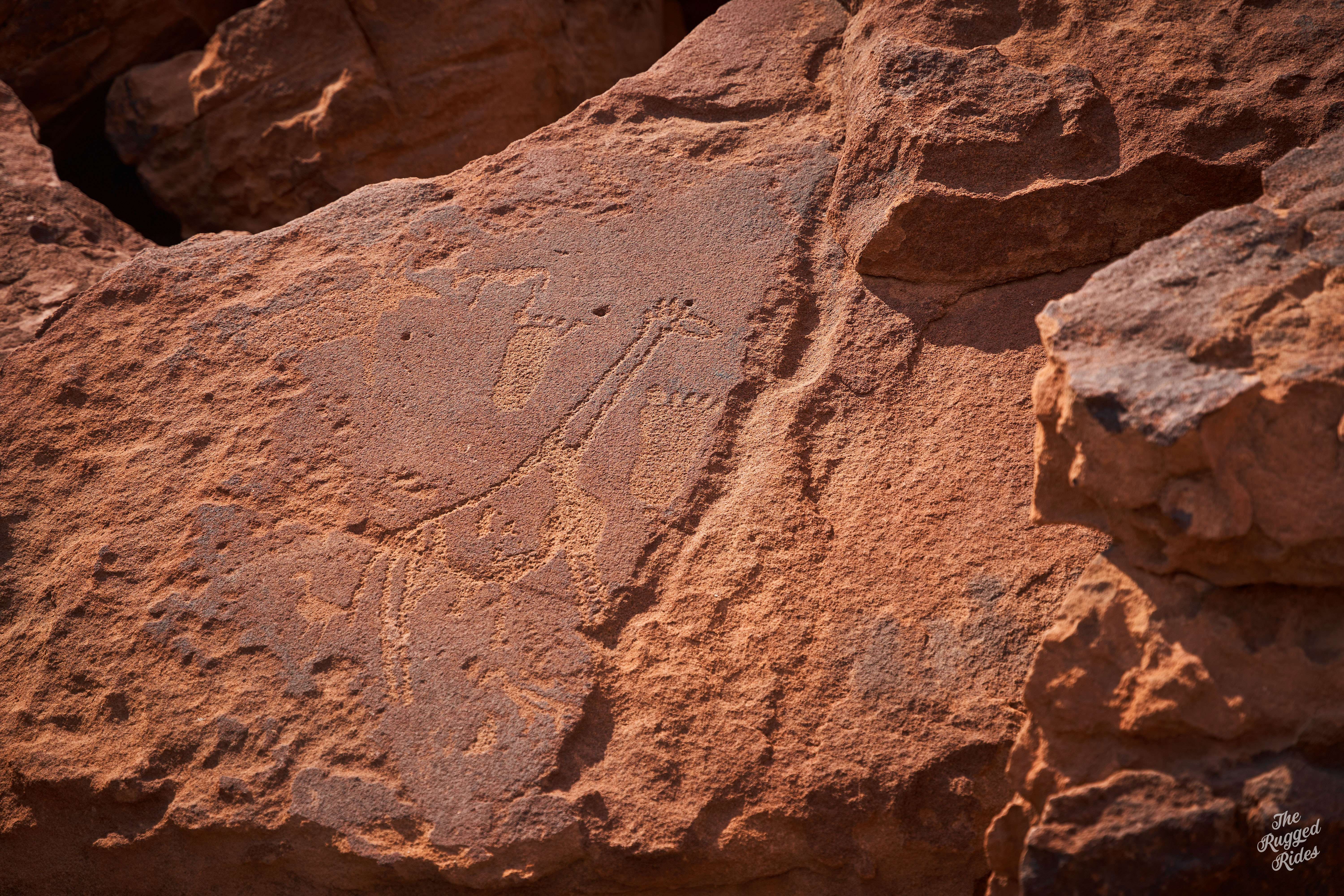
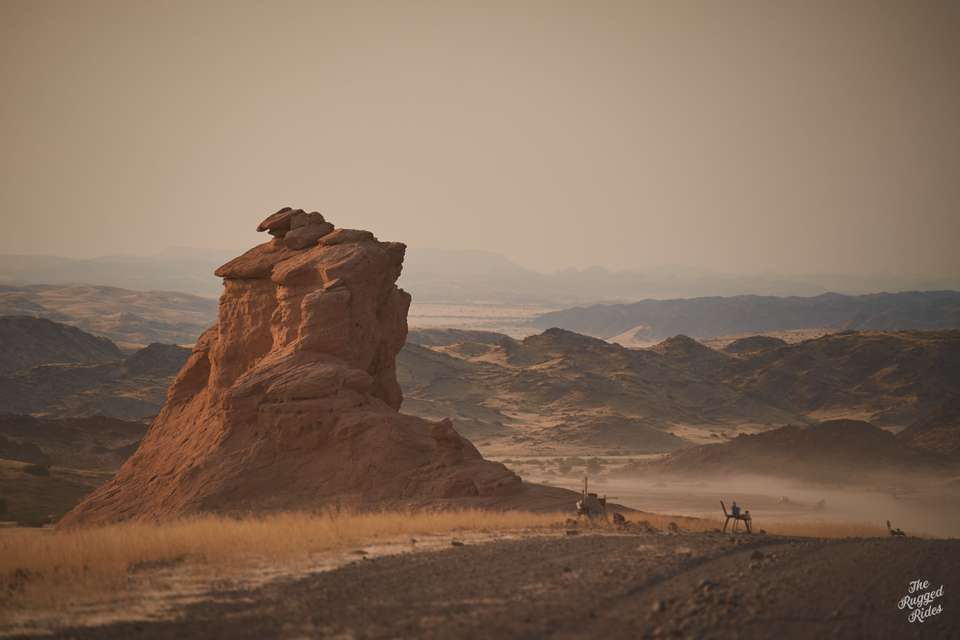
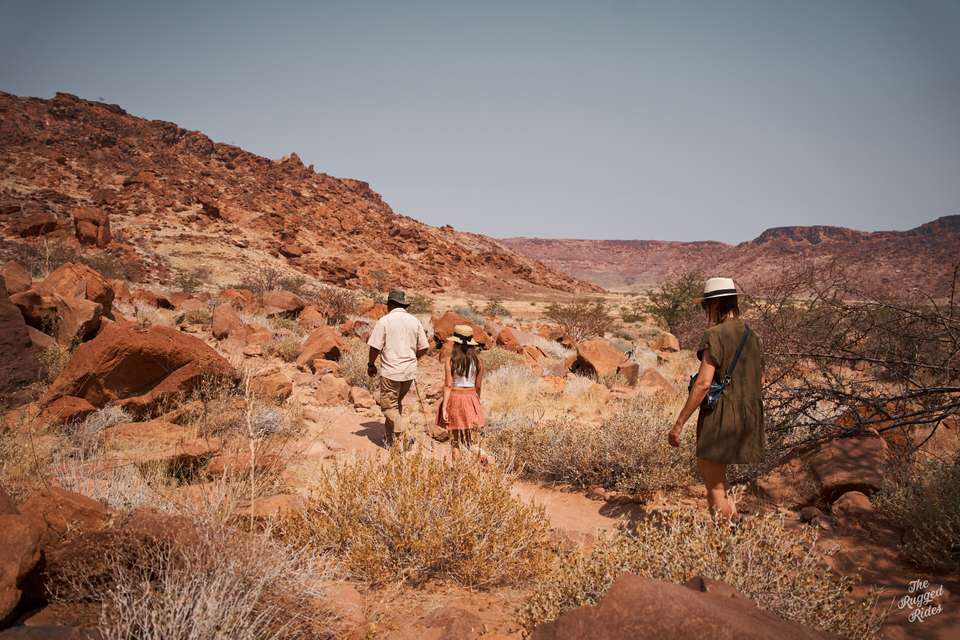
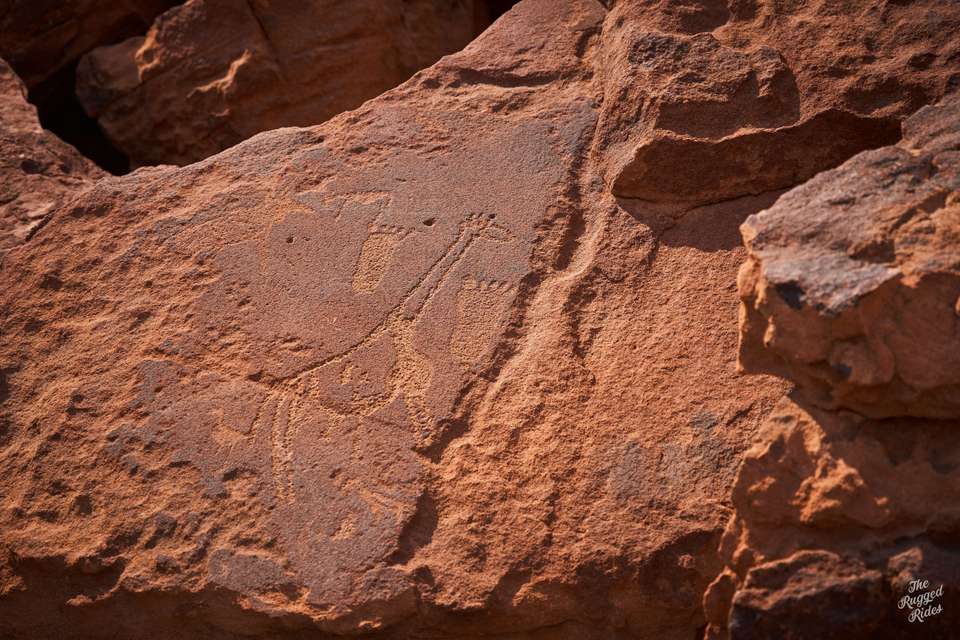
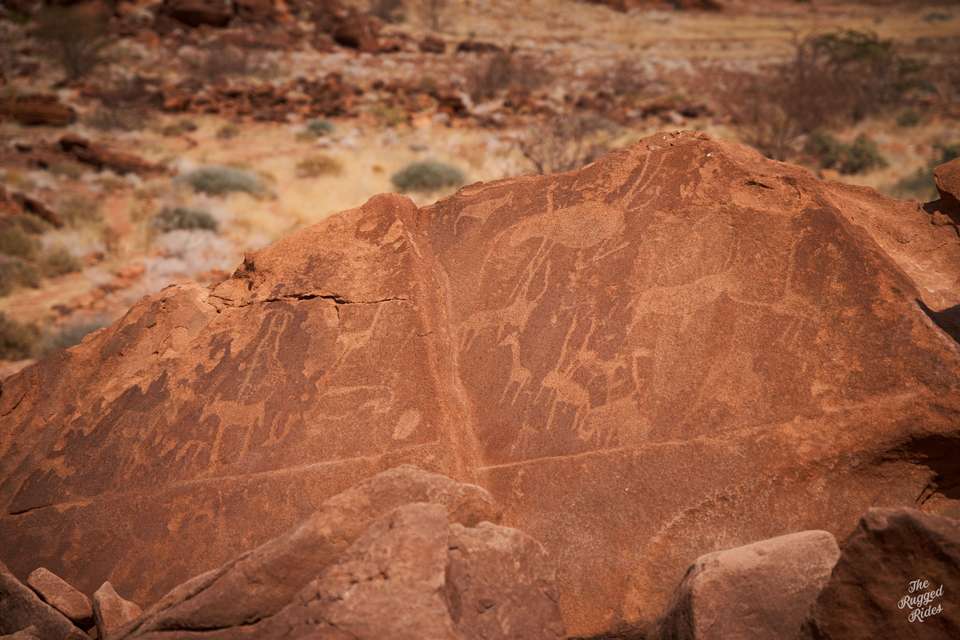
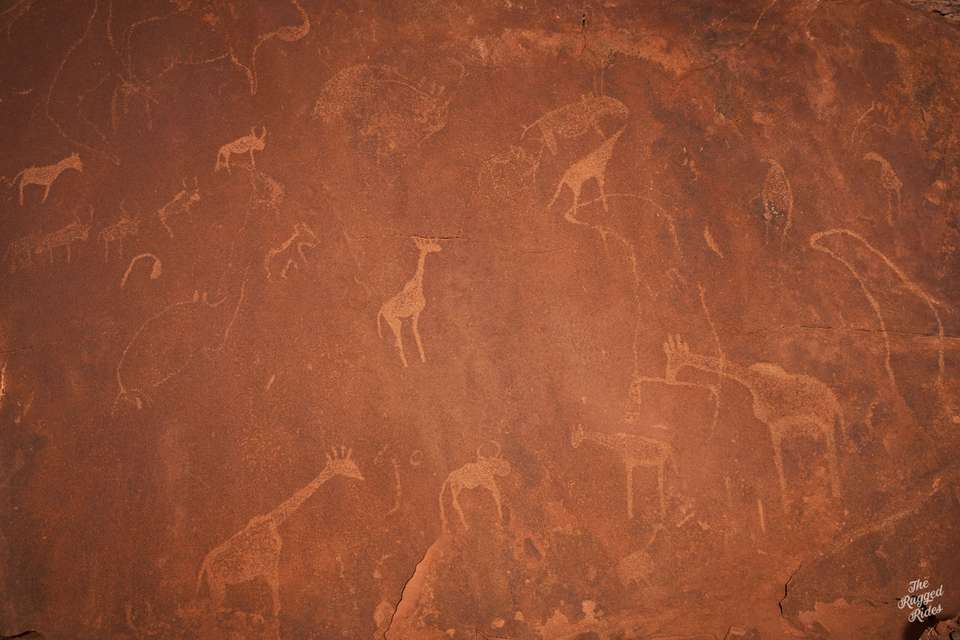
We made it to Twyfelfontein, the name literally means "doubtful spring." The place is charming, but above all, incredibly fascinating. There are over 2500 rock paintings and engravings here, created by the San people thousands of years ago. Archaeologists say some are between 2000 and even 6000 years old! Most show animals like giraffes, rhinos, lions, and antelopes, as well as human and animal footprints. And here's the wild part, there are even penguins!
There's also an ancient map showing the locations of water sources. Each spring is marked either with a filled dot (for a permanent one) or an open circle (for a seasonal one). Also interesting, Twyfelfontein itself was once the site of a failed settlement attempt by a German settler and his family, who gave up after years of struggling with the lack of water. Like so many places in Africa, also this area tells an amazing story of how climate and landscapes have changed over thousands of years, not that long ago in the grand scheme of things!
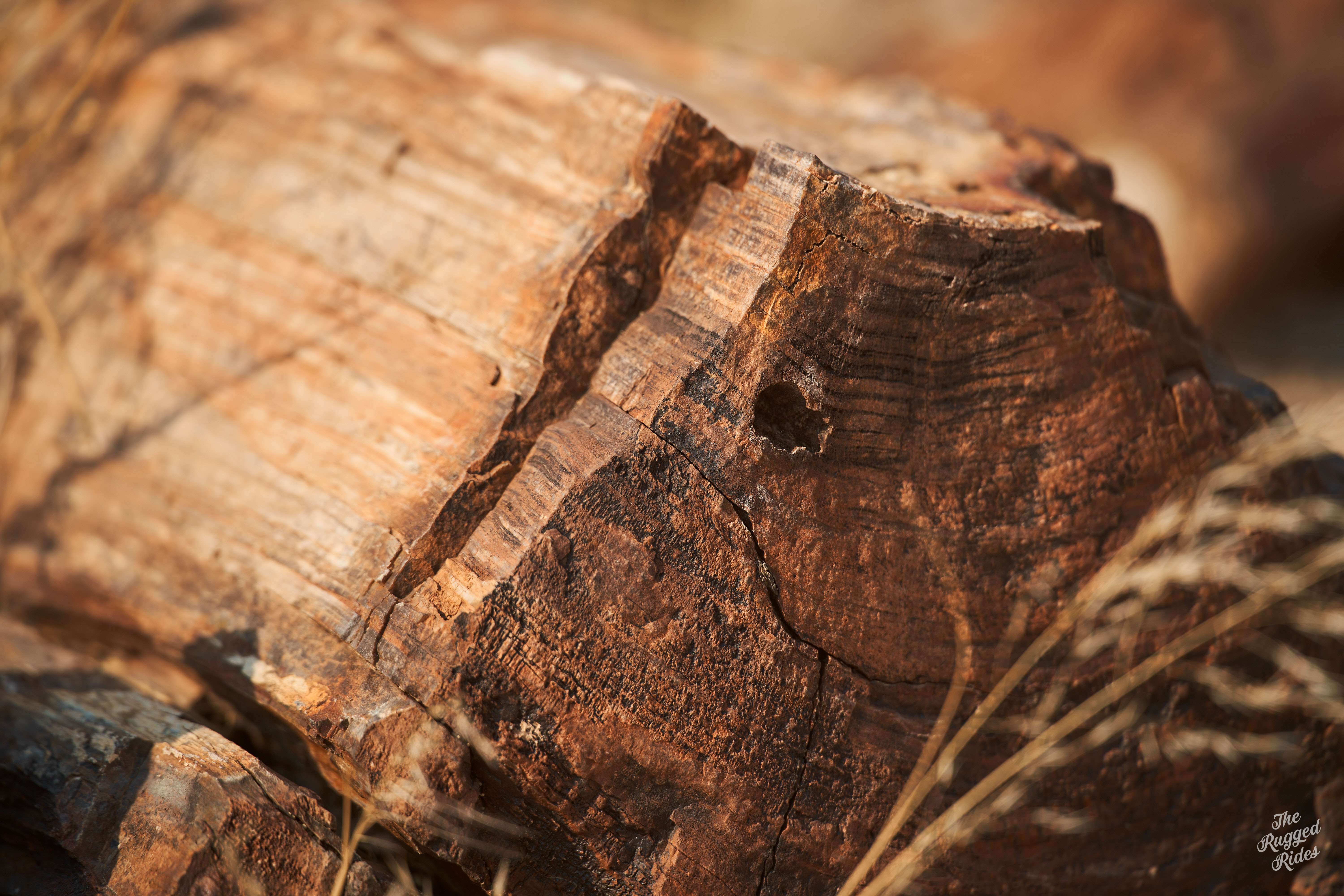
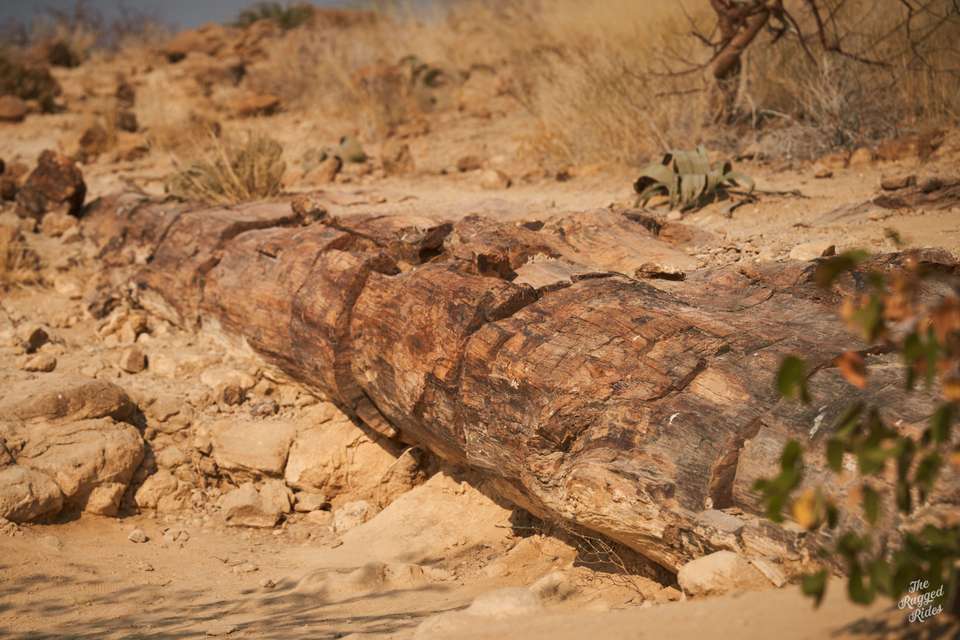
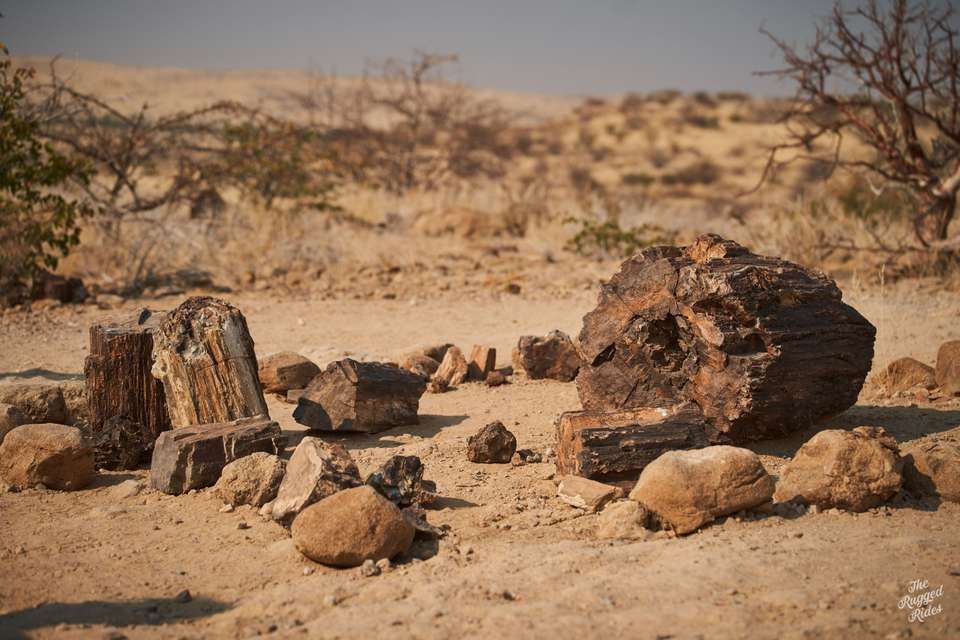
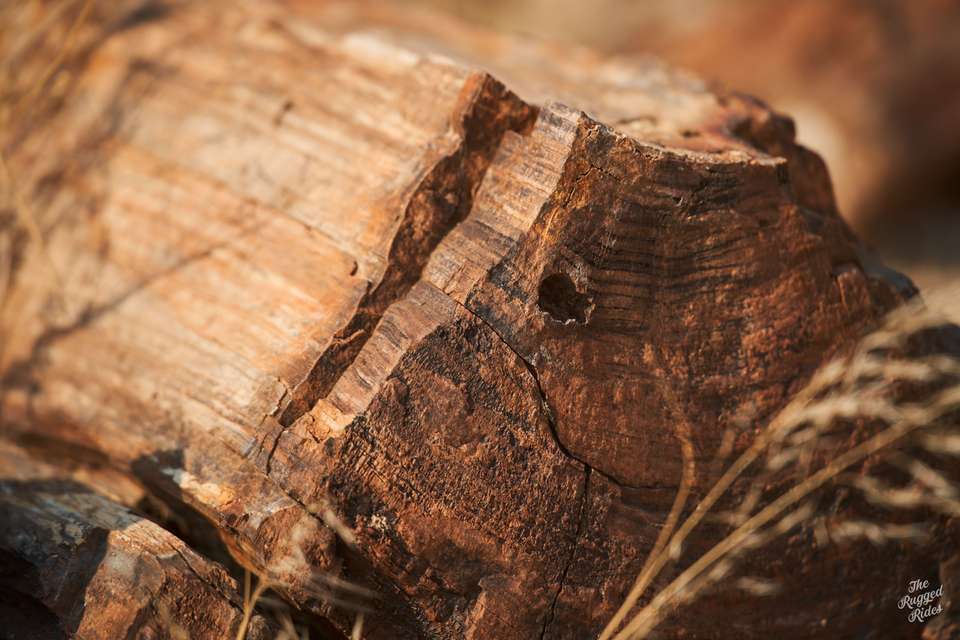
The surroundings are full of fascinating fossils. The so-called "Petrified Forest" is made up of dozens of massive fossilized trunks of ancient pine trees, around 260 million years old! They were carried here by a giant flood from far up north, back when the continents were still joined in the supercontinent Pangaea and Namibia had a humid, forested climate.
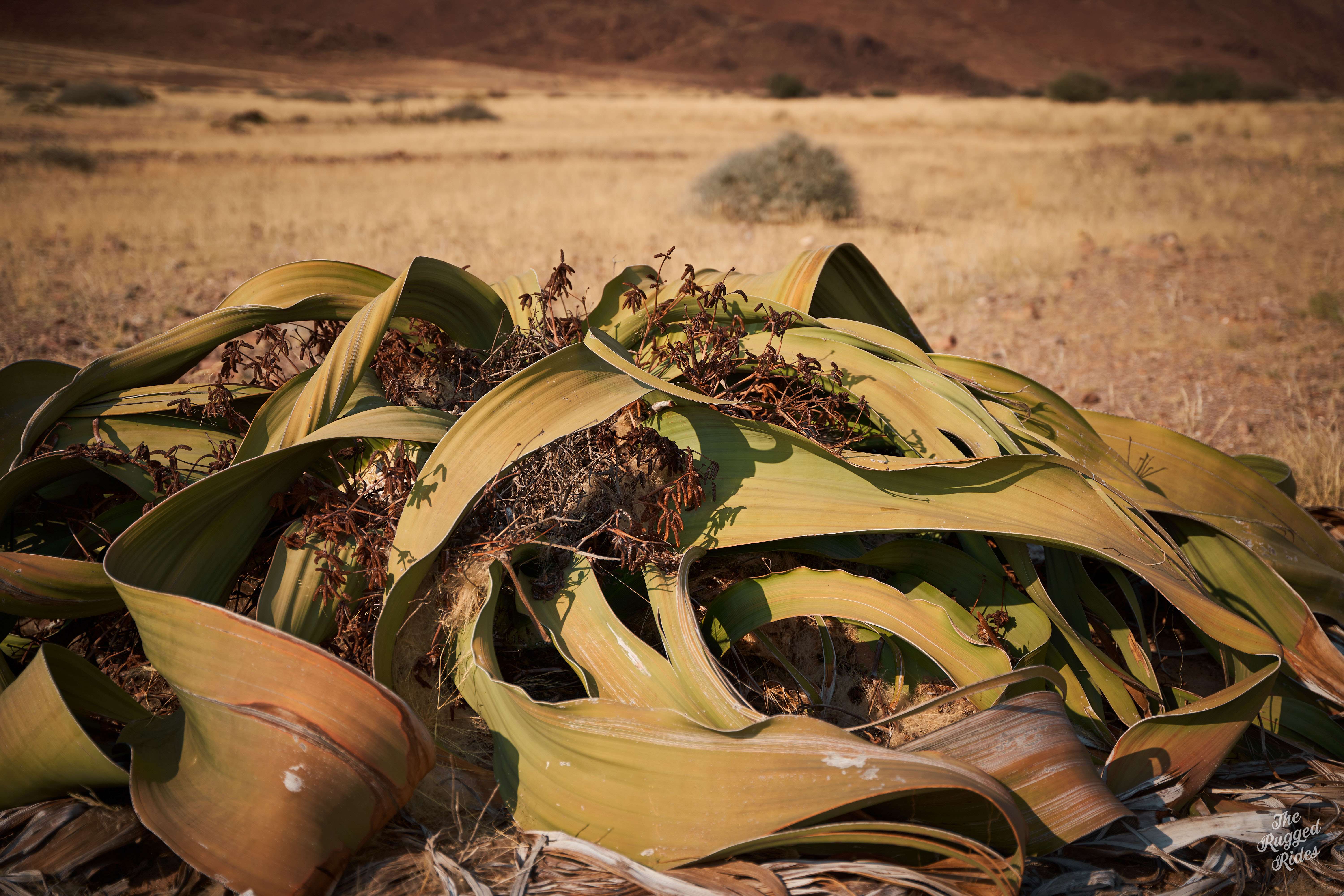
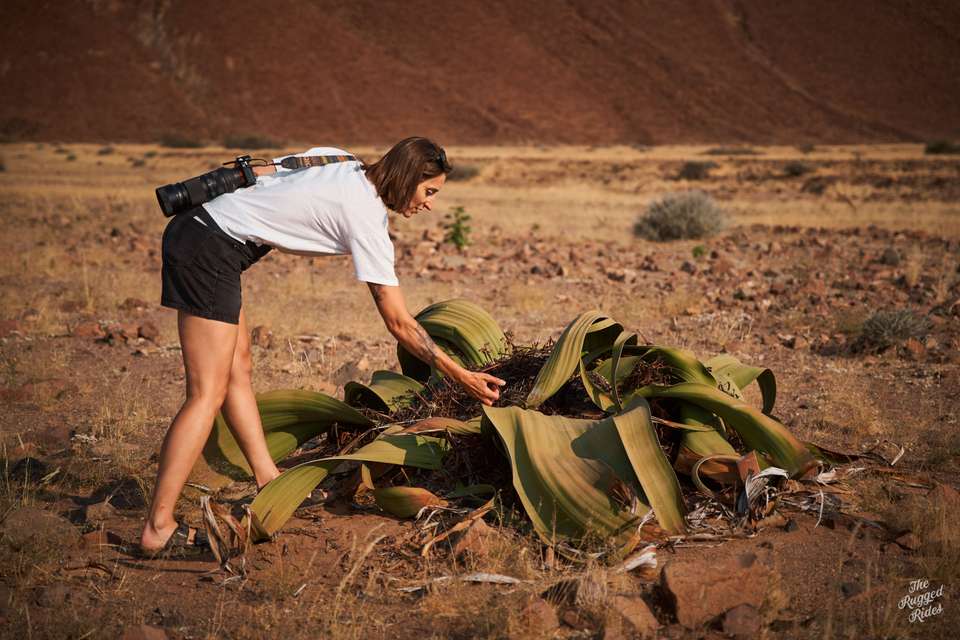
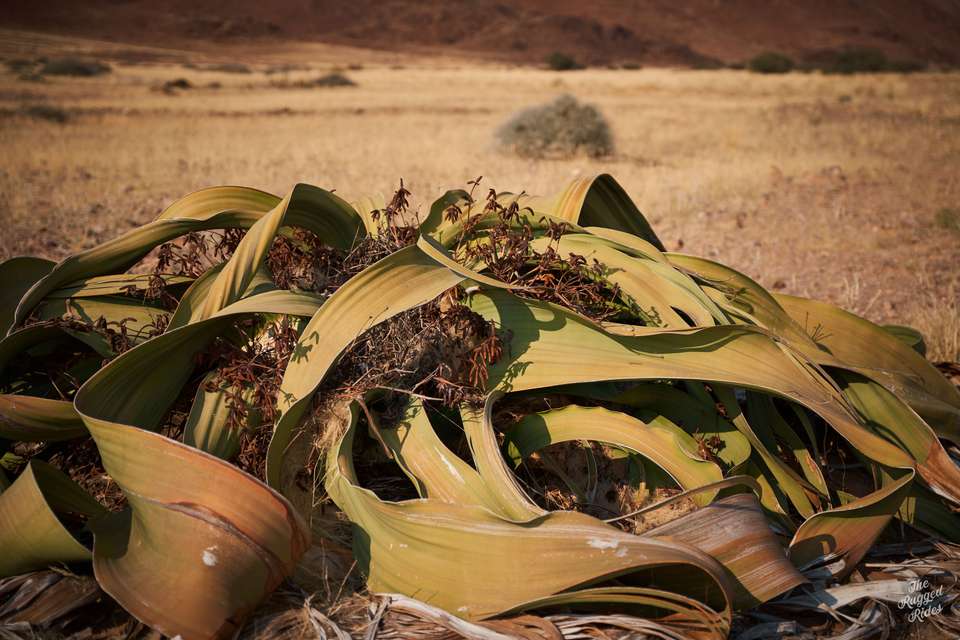
And then there's a living fossil, the Welwitschia. It's one of the oldest and most extraordinary plants on Earth, a true time survivor. It's a species all on its own, with no close relatives. Individual plants can live for 500 to even 2000 years, and some in northern Namibia and southern Angola are thought to be the oldest non-tree plants in the world. The Welwitschia only ever grows two leaves in its entire life, and never sheds them! Its deep roots and fog-harvesting leaves allow it to draw moisture from the Atlantic mist that rolls in at night. Absolutely mind-blowing.
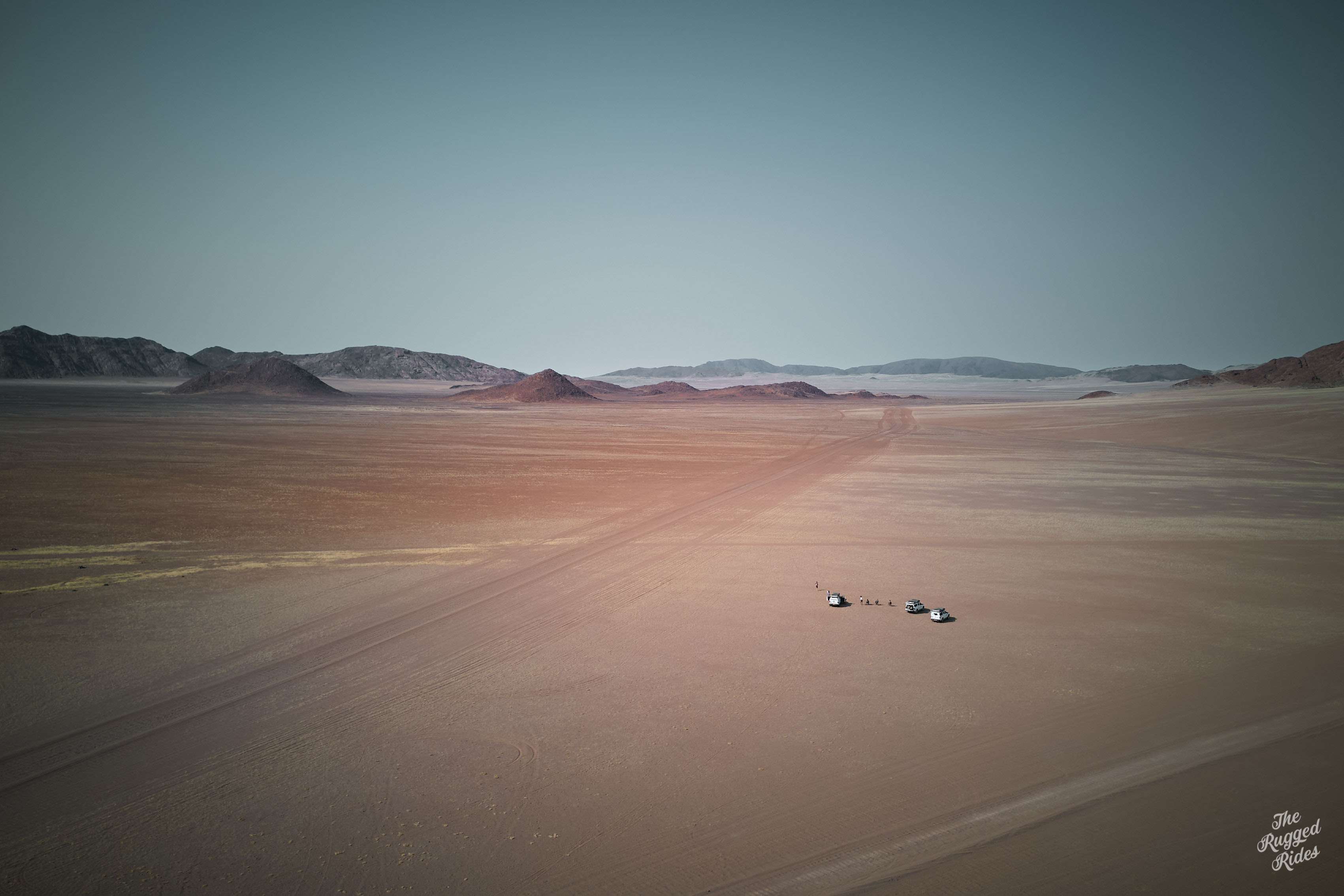
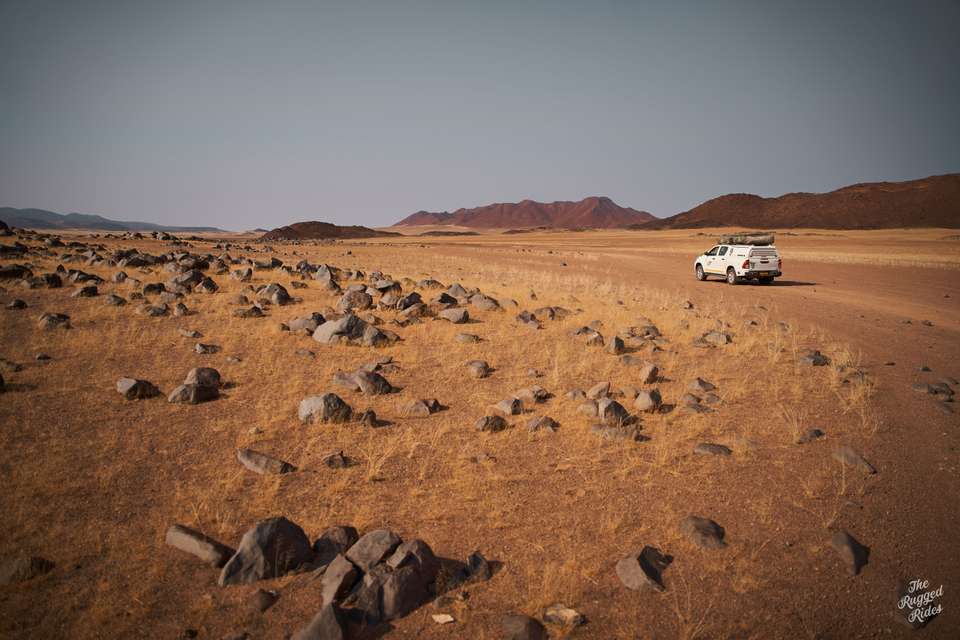
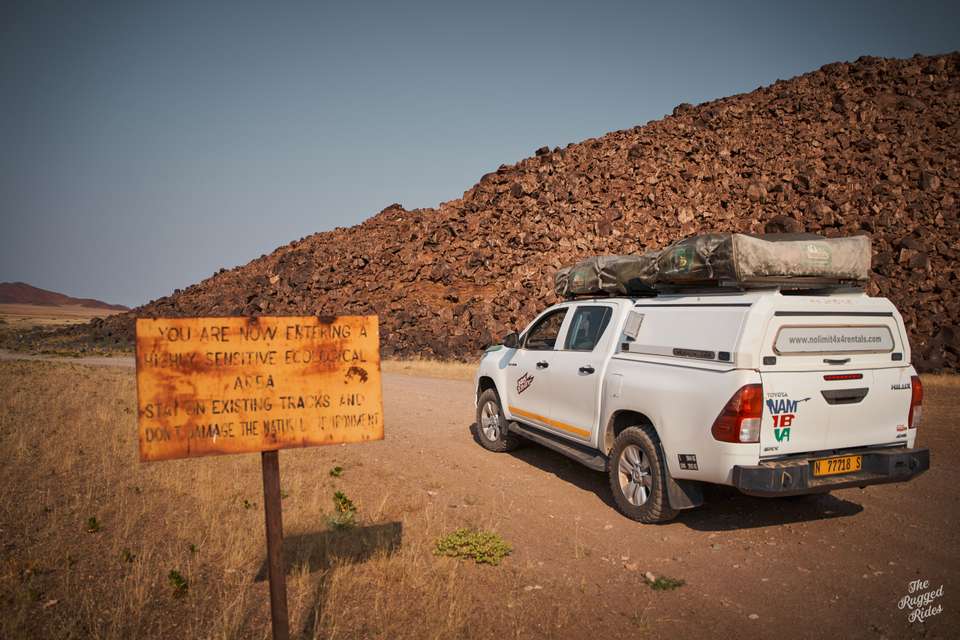
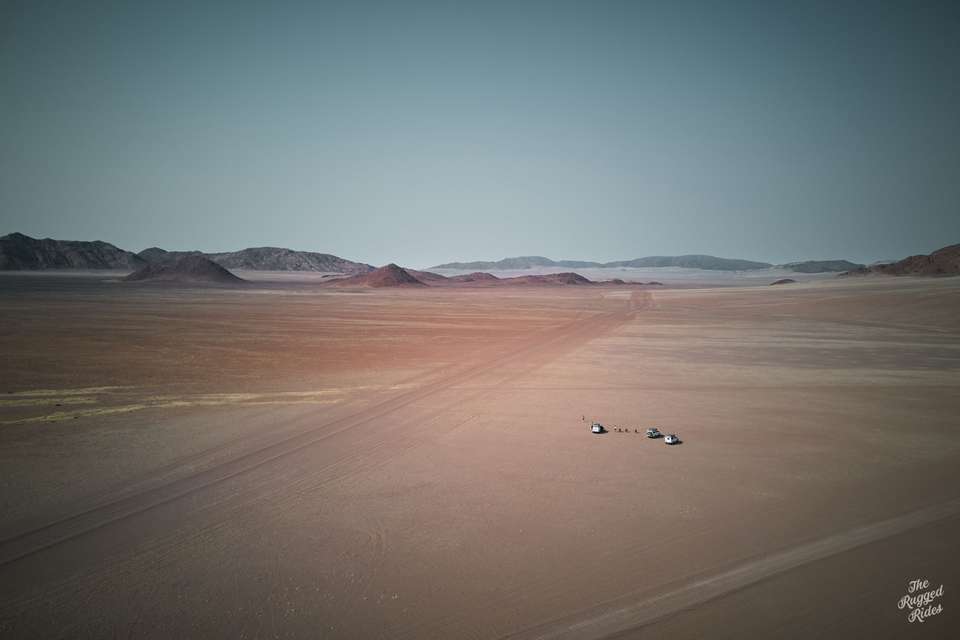
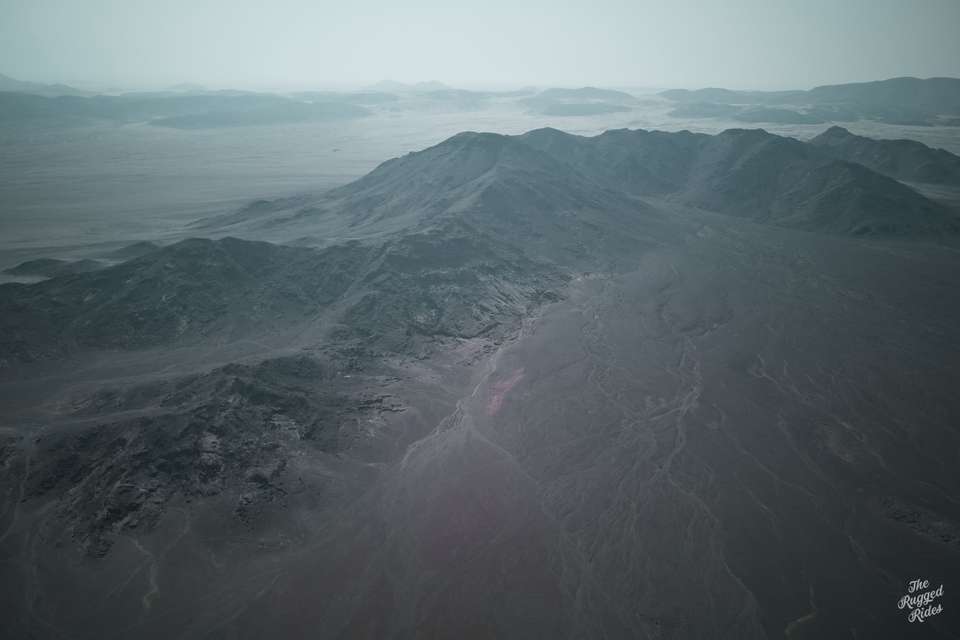
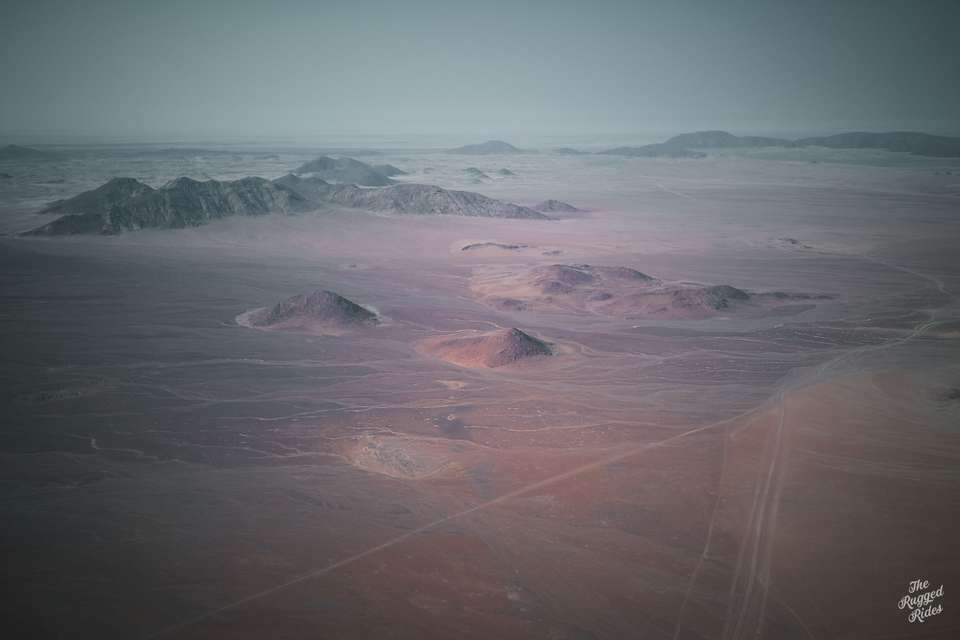
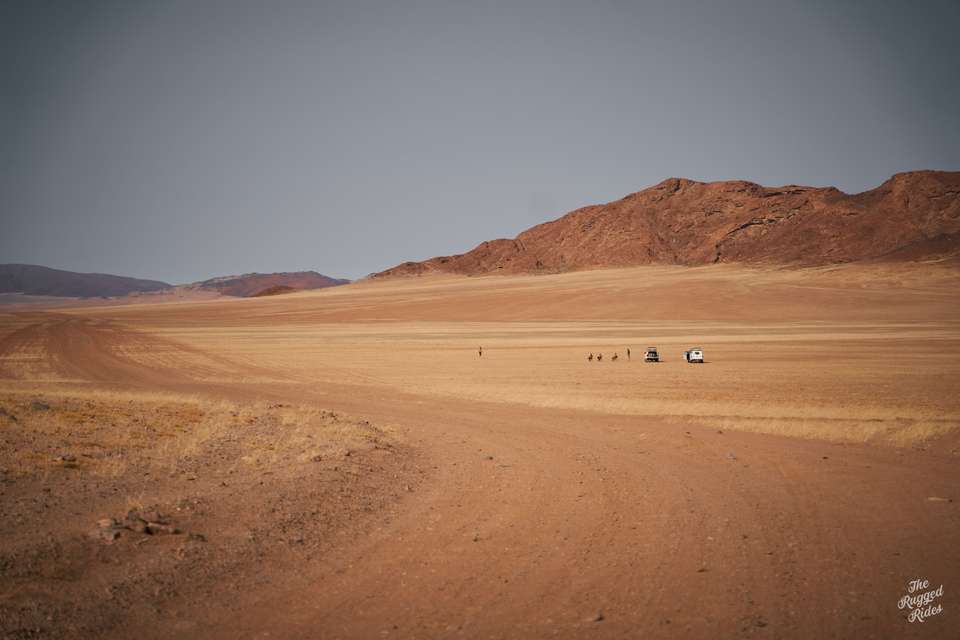
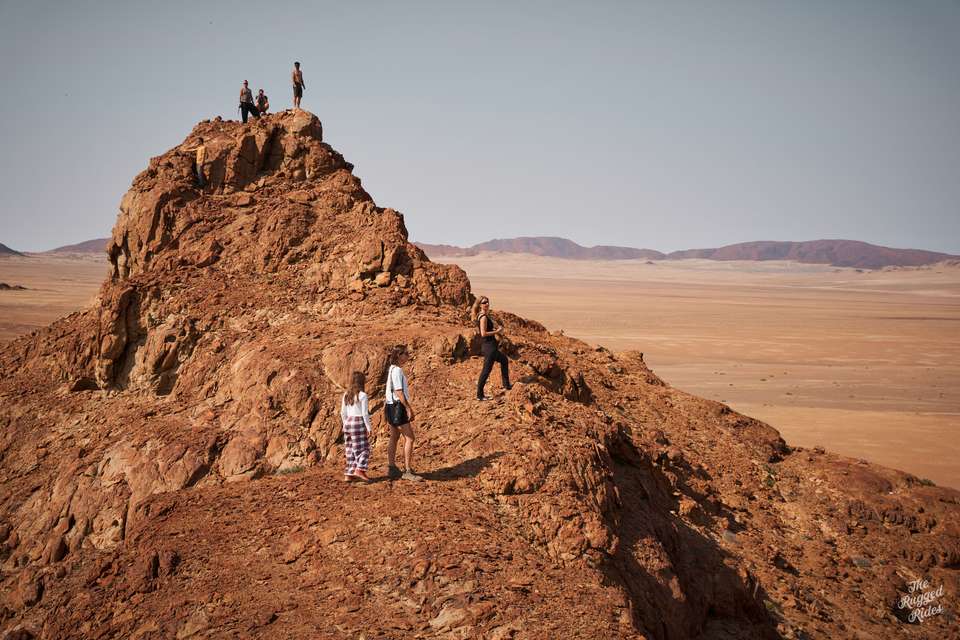
Finally, the Messum Crater, one of the most spectacular yet little-known geological sites in Namibia. Despite the name, it's not a meteorite crater but the remains of a massive supervolcano that erupted around 132 million years ago, when South America and Africa were breaking apart. That eruption released millions of cubic meters of lava and had a global impact on climate and life on Earth. The crater is about 18–25 km wide, with remnants of the volcanic chamber and tons of volcanic rock still visible. It's not an easy place to reach, but totally worth the effort. Standing there, you really get a sense of what Earth must have looked like before humans ever showed up. In that sense, Namibia is truly one of a kind.
Track: https://loc.wiki/t/237574951?wa=sc

Leave a comment